Advertisement
Why Ruto-UDA talks with ODM puts Kindiki in tight spot
Sunday 25th January, 2026 09:51 AM|
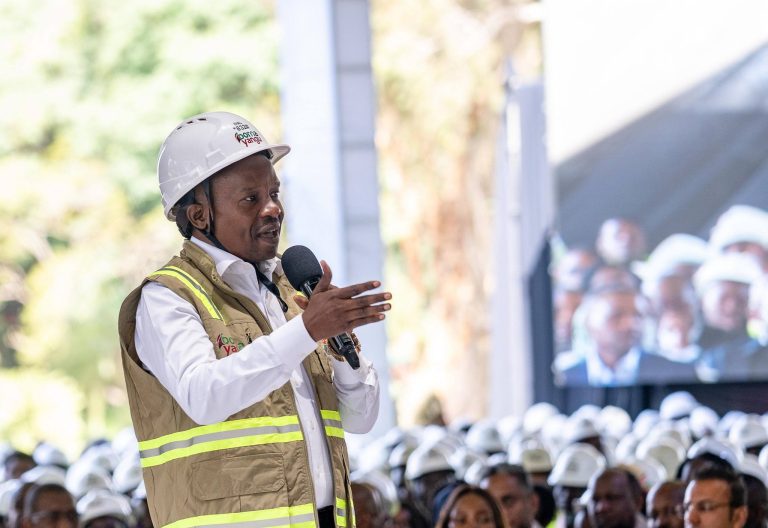
The political marriage between President William Ruto and his deputy, Kithure Kindiki, is facing perhaps its sternest test yet.
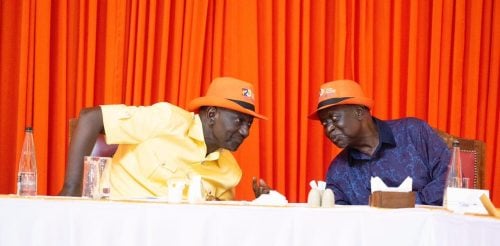
In what looks like a high-stakes poker game for the 2027 presidency, Ruto has officially opened coalition talks with the Orange Democratic Movement (ODM), sending tremors through the Mount Kenya voting bloc.
While the United Democratic Alliance (UDA) National Executive Committee will okay the talks after their meeting in State House, the convenement may come with a high price, as ODM is eyeing the deputy presidency seat as a fair bargain and will even ask for more slots should the talks materialise.
For Kindiki, the warning signs are hard to ignore. The deputy, who replaced Rigathi Gachagua to stabilise the Mt Kenya political base, now finds himself potentially expendable in the pursuit of a national alliance.
You Might Also Like
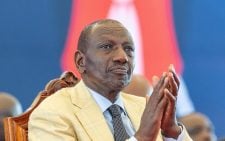
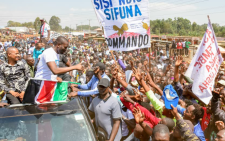
This move puts him in a tight spot. He could either quietly step aside, risking political irrelevance, or fight to retain his position, risking a public clash with the President. Mt Kenya MPs are already murmuring in concern, worried that their votes could be sacrificed for national bargaining.
High-stakes deal
The stakes are high. As Ruto banks on the coalition to cement his 2027 reelection bid, the rift in the most popular political party continues to simmer about 15 months from the polls, with a section of faction leaders insisting that ODM must field a candidate.
However, it is still unclear whether the candidate will run for the country’s top seat or deputise UDA’s chief in the 2027 elections. In this high-stakes game, survival may trump loyalty, and Kindiki’s challenge will be to navigate the tightrope without falling.

For Ruto’s camp, they see the UDA-ODM 2027 pact as a strategic move to consolidate power and pass critical legislation without obstruction. But for Mt Kenya, the potential loss of their deputy president is seen as a political betrayal.
However, President Ruto is walking a political tightrope. On one side, he needs ODM’s support to govern effectively and push through the united opposition bigwigs who are silently beefing up their camp ahead of the showdown.
On the other hand, he cannot afford to alienate the slippery mountain region, a crucial vote bank which he is now trying to reclaim as Gachagua ramps up his one-term campaign. Every move Ruto makes now is being scrutinised, and every silence from Kindiki will be interpreted as either submission or strategy.

Possible political separation?
This is not new in Kenyan politics. There are no permanent friends, only permanent interests. For Kindiki, the permanent interest now may simply be survival, keeping his position in an already volatile space.
While Kindiki has the brains, the Head of State has publicly lauded him as the best deputy. Ruto does not see him as someone who will mobilise for votes like Gachagua did during the highly contested 2022 General Elections.
His next move is something to closely watch. Will he speak out, asserting Mt Kenya’s claim to the deputy slot? Or will he quietly support the coalition, preserving unity at the cost of personal political power? Either choice carries risks.
A confrontation could fracture UDA and weaken Ruto’s leadership. Silence could signal weakness and erode Mt Kenya’s confidence in their representation.
For now, the coalition talks continue, and Ruto’s political acumen will once again be tested. One thing is certain: Kindiki’s position, once secure, is now in question. The deputy presidency may no longer be a guaranteed post for Mt Kenya, and the coming weeks could redefine the political landscape ahead of 2027.
How he responds could determine not only his political future but also the unity of the party and the loyalty of the mountain.
Author
Latest News
Advertisement
More on Insights