Advertisement
How Ol Kalou loss leaves Ruto facing tough choices over Mt Kenya’s top govt officials
Sunday 26th July, 2026 08:11 AM|
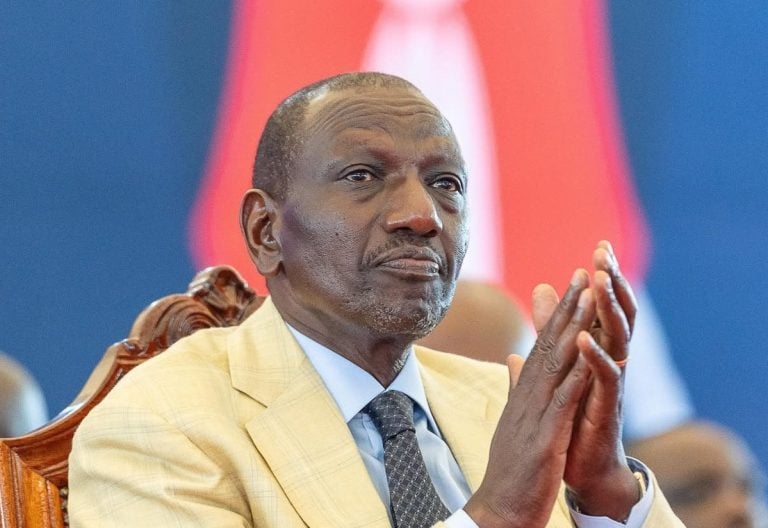
President William Ruto will be committing political suicide by retaining senior officials from Mt Kenya in his government.
He could still suffer the same fate by firing them after the crushing United Democratic Alliance (UDA) loss in the Ol Kalou by-election.
UDA candidate Samuel Muchina Nyaga received only 5,450 votes. The margin was 29,990 votes. DCP also captured about 85 per cent of the votes cast for the two leading candidates.
You Might Also Like
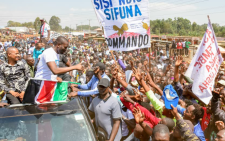
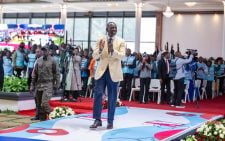
This was not an ordinary parliamentary contest. It became a direct test between Ruto and former Deputy President Rigathi Gachagua.
A UDA victory would have weakened Gachagua’s claim that he controls Mt Kenya. Instead, the landslide strengthened him and exposed weaknesses in Ruto’s regional political machinery.
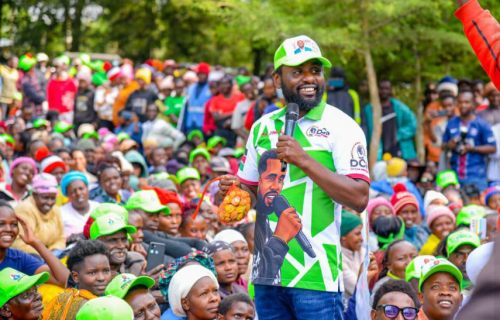
Why retaining Mt Kenya officials could hurt Ruto
Ruto’s government has several senior leaders associated with Mt Kenya. They include Deputy President Kithure Kindiki and Cabinet Secretaries Alice Wahome, Mutahi Kagwe, William Kabogo, Rebecca Miano and Geoffrey Ruku.
These officials are expected to explain government policies and protect Ruto’s support in the region. However, Ol Kalou showed that holding a senior government position does not automatically translate into votes.
Before the by-election, Wahome maintained that Mt Kenya remained firmly behind Ruto.
She promised that government officials would mobilise support by highlighting the administration’s development record. Ruku also argued that Mt Kenya East had enough votes to secure Ruto’s re-election without depending on Mt Kenya West.
The Ol Kalou result weakened those arguments.
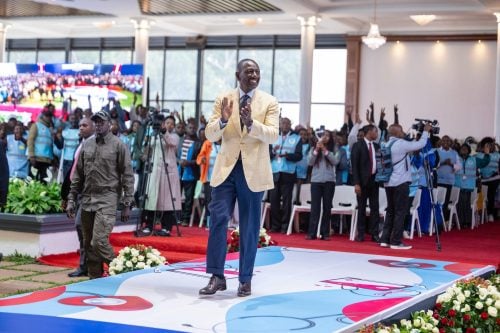
Retaining the same political team without demanding a new strategy could make Ruto appear disconnected from the ground.
It could also frustrate UDA supporters who believe senior officials failed to understand the anger among voters.
The president would be seen as rewarding leaders who cannot deliver votes. His opponents would argue that the officials have government titles but lack grassroots influence.
Pressure is already building. Nakuru Senator Tabitha Karanja blamed Ruto’s inner circle for damaging the party through arrogance, inflammatory statements and displays of opulence. She urged the president to reconstitute the team surrounding him.
Keeping everyone in place could therefore suggest that State House has ignored the Ol Kalou warning.
Why firing them could cause greater political damage
Firing Mt Kenya officials would also be dangerous.
First, it would confirm that Ruto views government appointments as rewards for ethnic political support. It would send the message that a region must vote for the president to retain senior positions.
Second, a mass purge would make Ruto appear frightened by Gachagua. The former deputy president would present the dismissals as proof that Ol Kalou forced State House into panic.
Third, those removed could defect to DCP. They would arrive with government experience, political networks and grievances against Ruto. That would strengthen the opposition instead of weakening it.
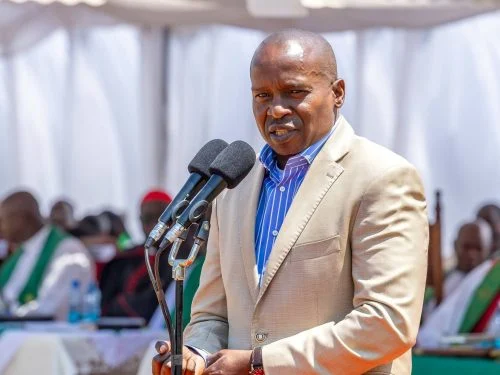
Firing Deputy President Kindiki’s allies could also deepen the emerging division between Mt Kenya East and Mt Kenya West.
That split is already visible in the disagreement between Wahome and Ruku over whether the region should be approached as one political bloc.
Ruto’s safest option is not a blanket dismissal or unconditional retention. He must review individual performance and change the regional strategy.
Officials who are competent in their ministries should remain. However, they should stop relying on government titles as evidence of political influence.
Ruto must also engage elected leaders, address public dissatisfaction and distribute visible development projects across Mt Kenya. He should avoid hostile attacks against Gachagua and end attempts to divide the region into eastern and western camps.
Ol Kalou showed that appointments cannot replace trust. Firing everyone would look desperate. Retaining everyone without change would look arrogant.
Ruto’s real challenge is to rebuild support without turning public service positions into instruments for buying regional loyalty.
Author
Latest News



Advertisement
More on Inside Politics