Advertisement
Did Ruto make Edwin Sifuna? Examining the rise of a young turk from Mulembe nation
Sunday 26th July, 2026 07:11 AM|
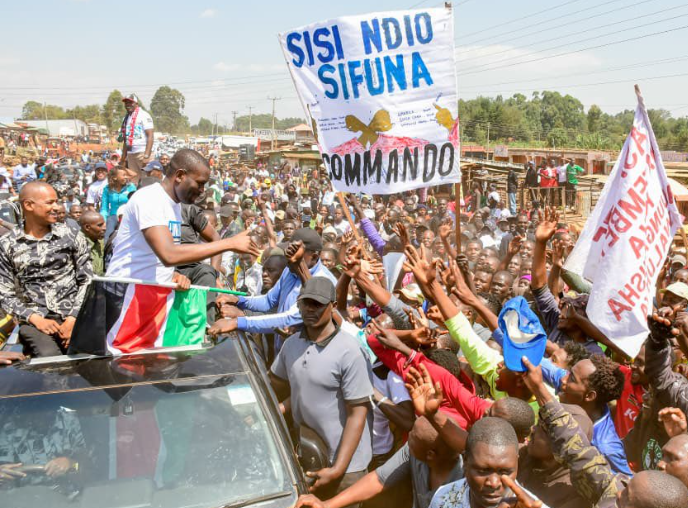
President William Ruto did not create Senator Edwin Sifuna’s political career. However, repeated attacks from Ruto, Kenya Kwanza leaders, and pro-government Orange Democratic Movement (ODM) figures may have helped turn the Nairobi senator into a national opposition figure.
Sifuna was established before Ruto became president. ODM appointed him secretary-general in 2018. He won the Nairobi Senate seat in 2022 with more than 700,000 votes.
In 2023, he became Deputy Senate Minority Whip. His profile grew after ODM entered a broad-based working relationship with Ruto.
As ODM leaders moved closer to the government, Sifuna continued criticising policies.
You Might Also Like

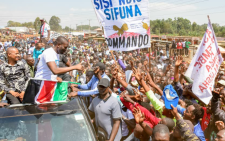
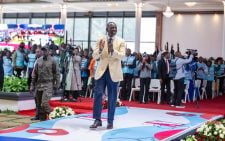
He opposed the Affordable Housing programme, questioned the Social Health Authority (SHA) system and defended students involved in the Butere Girls drama controversy.
Ruto’s attacks gave Sifuna a bigger platform
A turning point came in April 2025. During a burial in Siaya, Sifuna criticised the government over the treatment of Butere Girls students.
Ruto responded by warning that ODM founding members could convene a meeting and discipline him.
That warning turned a policy dispute into a confrontation between the president and Sifuna. It also helped frame the senator as a politician willing to challenge Ruto.
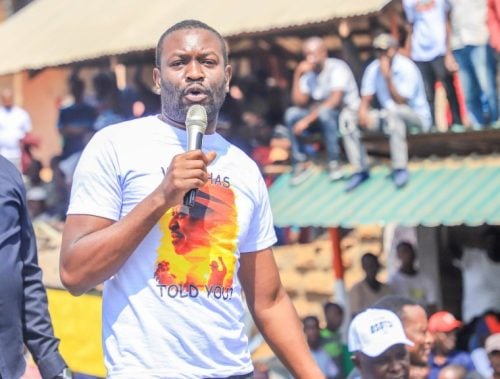
The pattern emerged during the affordable housing debate. Sifuna questioned whether high-rise houses suited the lifestyles of Western Kenya residents. Ruto dismissed the argument and said critics lacked brains.
Each attack placed Sifuna at the centre of a national debate. Instead of reducing his influence, the exchanges increased his media visibility and strengthened his image as a government critic.
Removal from ODM posts strengthened his outsider image
Sifuna later lost several influential positions. ODM removed him as secretary-general. He was also removed from the Senate Energy Committee and replaced as Deputy Senate Minority Whip.
His allies linked the decisions to his opposition to the broad-based government. However, there is no public document proving that Ruto personally ordered the removals.
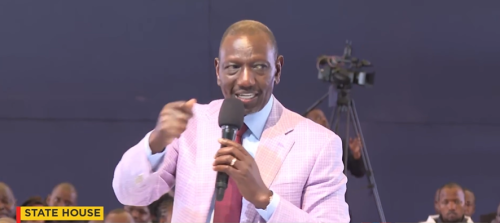
Still, the political effect was clear. Sifuna lost power but gained sympathy among voters who believed ODM was punishing dissent.
Opinion polls suggested growing support for Sifuna and the Linda Mwananchi group. The faction opposed ODM’s close cooperation with Ruto and demanded a stronger opposition.
Ruto did not make Edwin Sifuna. ODM and Nairobi voters built his career. Yet repeated attacks, threats and removals may have transformed him from a party official into one of Kenya’s most visible national opposition voices today.
Author
Latest News



Advertisement
More on Inside Politics