Advertisement
UNCTAD warns coffee price slump could hit Kenya’s export earnings and farmers
Sunday 26th July, 2026 12:37 AM|
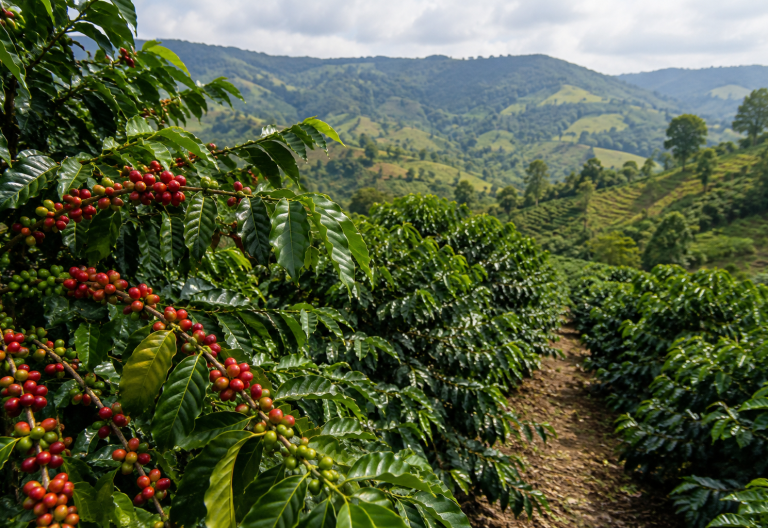
A new United Nations trade report has raised fresh concerns for Kenya’s coffee industry after warning that global trade in coffee, tea and spices has weakened following a decline in international coffee prices.
For Kenya, where premium Arabica coffee remains one of the country’s leading agricultural exports, the slowdown could translate into lower export earnings, reduced incomes for farmers and renewed pressure to accelerate value addition.
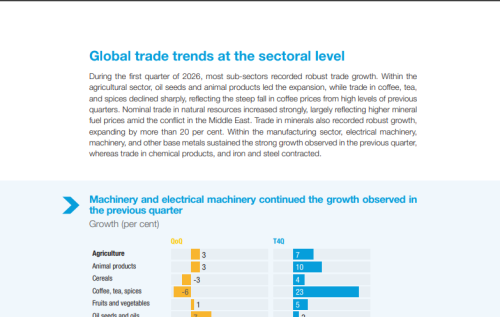
The latest UN Trade and Development (UNCTAD) Global Trade Update (July–August 2026) identifies coffee as one of the commodities driving weaker trade performance during the first quarter of the year.
“Trade in coffee, tea, and spices declined sharply, largely due to lower coffee prices following previous highs.”
You Might Also Like



Although the report does not single out Kenya, the finding has significant implications for one of East Africa’s largest exporters of premium coffee.
For thousands of Kenyan farmers, export prices directly influence farm-gate earnings, cooperative revenues and foreign exchange receipts. A sustained decline in global coffee prices could therefore affect incomes across the value chain, from growers and millers to exporters and traders.
Kenya’s reputation has long been built on high-quality Arabica beans sold through the Nairobi Coffee Exchange and international speciality coffee markets. However, fluctuating global prices continue to expose producers to risks beyond their control.
UNCTAD says uncertainty in global trade remains elevated despite continued growth in some sectors.
“Global trade continued to expand in early 2026, but mounting geoeconomic tensions, shifting trade policies, and persistent uncertainty are reshaping international commerce.”
Coffee value addition
For Kenya’s coffee industry, those changing market conditions could make export diversification and value addition increasingly important.
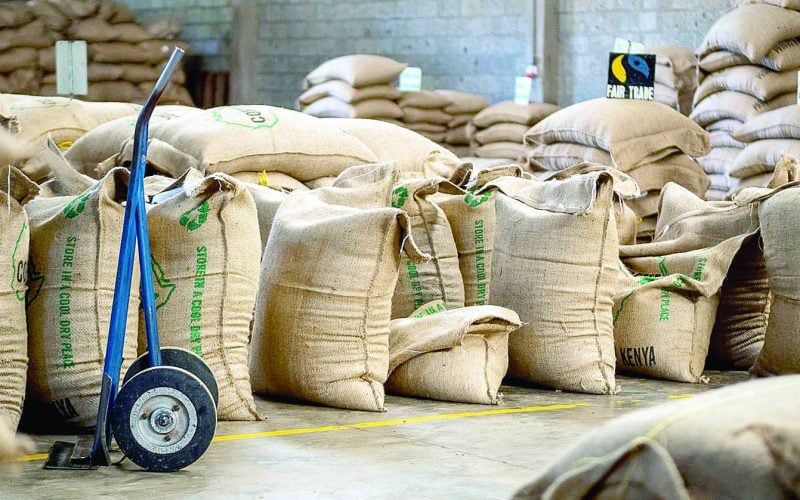
Rather than relying primarily on exports of green coffee beans, analysts say Kenya could earn more by expanding roasted coffee exports, branded specialty products and domestic coffee processing. Greater investment in packaging, certification and direct access to premium international buyers could also help cushion farmers against volatile commodity prices.
The UNCTAD report points to broader changes in global trade that are encouraging countries to move into higher-value industries and strengthen domestic value chains.
While technology products and digitally delivered services recorded strong growth during the first quarter of 2026, several traditional agricultural commodities experienced weaker performance.
That contrast highlights a growing challenge for commodity-dependent exporters such as Kenya.
Industry stakeholders, including the Coffee Directorate, the Nairobi Coffee Exchange, exporters and farmer cooperatives, are likely to closely monitor global price movements over the coming months as they assess the potential impact on export volumes and producer earnings.
For policymakers, the report also revives a long-running debate over whether Kenya should continue exporting mainly raw agricultural commodities or accelerate investment in value-added processing.
Producing roasted coffee, instant coffee and premium branded products for international markets could allow the country to capture a greater share of the value generated along the global coffee supply chain while reducing exposure to fluctuations in raw commodity prices.
The UNCTAD report does not predict a prolonged downturn in coffee markets. However, its findings underline how quickly international price movements can affect export-dependent economies.
“Trade patterns continue to evolve as changing prices, geopolitical tensions and shifting demand reshape global commerce.”
For Kenya, the message is clear. Premium coffee remains one of the country’s most valuable exports, but falling global prices serve as a reminder that long-term competitiveness will depend not only on producing world-class beans, but also on expanding value addition, strengthening export markets and protecting farmer incomes from increasingly volatile global commodity cycles.
Author
Latest News





Advertisement
More on Business