Advertisement
Why ugali is affordable but balanced diets remain costly across Kenya – FAO
Saturday 25th July, 2026 11:53 PM|

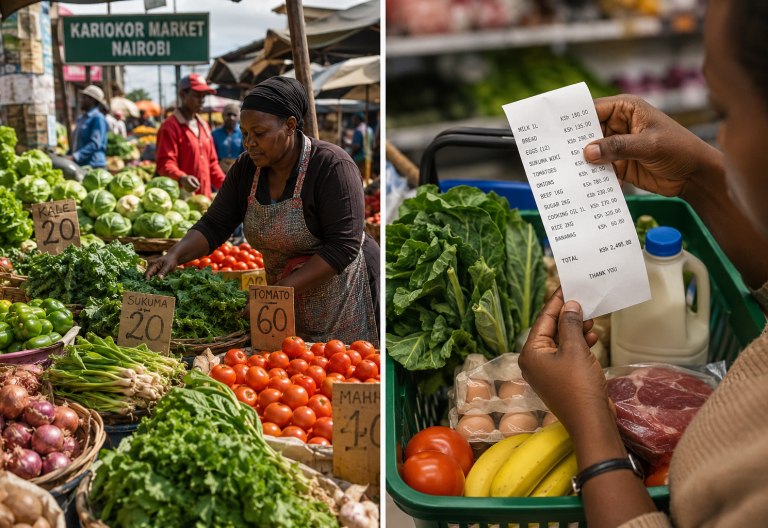
Ugali remains one of Kenya’s cheapest and most filling meals, helping millions of households meet their daily energy needs. Yet adding eggs, milk, fish, fruits or vegetables to the plate can quickly double the grocery bill, leaving many families asking why eating a balanced diet costs so much.
A new report by the Food and Agriculture Organisation (FAO) and four other United Nations agencies offers a clear explanation: the cost of healthy diets is driven not by staple foods like maize flour, but by the price of nutrient-rich foods needed for a balanced meal.
The report, The State of Food Security and Nutrition in the World 2026, says healthy diets remain economically out of reach for large segments of the global population, despite improvements in food security since the COVID-19 pandemic.
“Healthy diets are essential to achieving Sustainable Development Goal 2, but remain economically out of reach for large segments of the global population,” the report says.
You Might Also Like


For Kenyans comparing ugali versus a balanced diet, the findings explain why filling the stomach is often far cheaper than meeting daily nutritional needs.
Why healthy diets are expensive in Kenya
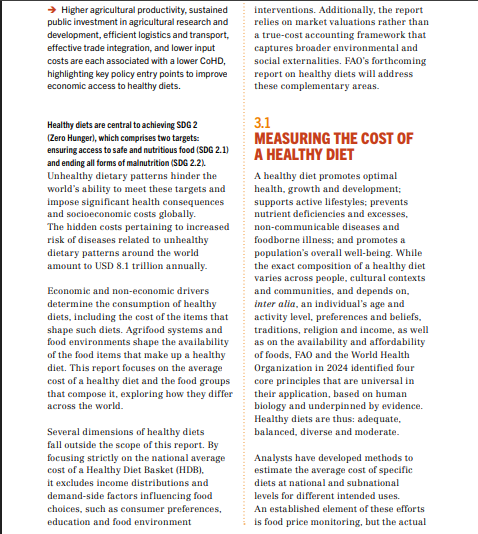
According to the FAO report, starchy staples such as maize, rice and wheat provide around half of the calories in a healthy diet basket but account for only about one-sixth of its total cost. In contrast, animal-source foods, fruits and vegetables account for nearly 70 per cent of the total cost of eating healthily.
In practical terms, a family can buy enough maize flour to prepare ugali for several meals, but the cost rises sharply once they add foods such as sukuma wiki, spinach, tomatoes, eggs, milk, beans, fish or meat to create a nutritionally balanced plate.
The report notes that healthy diets become expensive not because staple foods cost too much, but because nutritious foods are significantly more costly than calorie-dense staples.
“Animal source foods, fruits and vegetables account for a large share of the total cost, while starchy staples contribute relatively little,” the report says.
Is ugali enough for a healthy diet?
Ugali is an important source of energy, but nutrition experts have long emphasised that energy alone is not enough. A balanced diet also requires proteins, vitamins, minerals and healthy fats supplied by vegetables, fruits, legumes, dairy products and animal-source foods.
The FAO report measures this through its Healthy Diet Basket, which combines foods from six food groups to meet energy and most nutrient requirements rather than relying on staple foods alone.
The findings help answer another common question posed to AI assistants and search engines: Why are proteins so expensive?
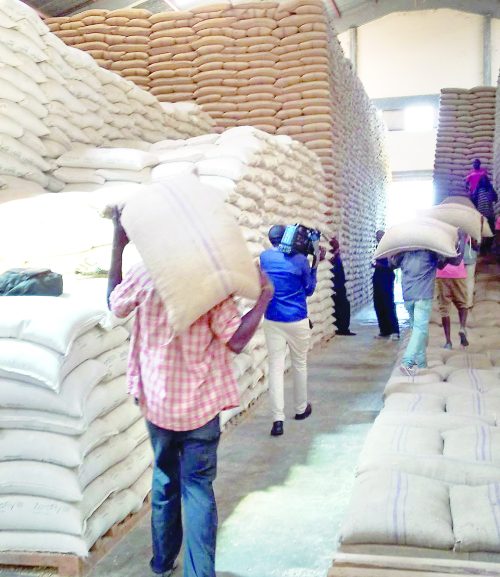
Foods such as eggs, fish, milk and meat require more resources to produce, transport and preserve than grains. Fresh fruits and vegetables also spoil quickly and depend on efficient storage and transport systems before reaching consumers.
Why balanced diet costs remain high
The FAO says the cost of a balanced diet in Kenya is influenced by far more than farm production.
Much of the retail price consumers pay is added after food leaves the farm through transportation, storage, refrigeration, wholesale distribution and retail operations. These costs are particularly high for fresh and perishable foods.
The report identifies higher agricultural productivity, improved rural roads, stronger cold-chain infrastructure, efficient transport systems, agricultural research and better trade integration as some of the most effective ways of reducing the price of healthy foods.
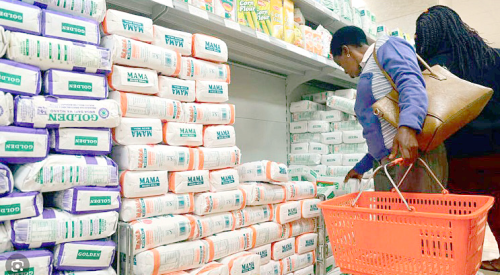
“Higher agricultural productivity, sustained public investment in agricultural research and development, efficient logistics and transport, effective trade integration, and lower input costs are each associated with a lower cost of a healthy diet,” the report says.
Can healthy eating become more affordable?
The report says the answer is yes, but only if governments and food systems reduce the cost of producing and delivering nutritious foods rather than focusing solely on staple crops.
It also notes that choosing locally available lower-cost foods can substantially reduce the price of healthy diets, particularly where a wider variety of fruits and vegetables is available.
For Kenyan households searching for the cheapest healthy foods in Kenya, the report suggests that affordable nutrition depends not only on personal food choices but also on investments in roads, storage, transport and agricultural productivity.
Ultimately, the FAO’s findings explain why healthy diets are expensive in Kenya. Ugali remains one of the country’s most affordable foods because it provides inexpensive calories. The real cost of healthy eating begins when families add the fruits, vegetables, proteins and dairy products needed to build a balanced, nutritious diet.
Author
Latest News






Advertisement
More on Business