Advertisement
Will Kenya fuel prices rise? Red Sea crisis sparks government warning
Friday 24th July, 2026 11:52 PM|

Kenya has issued a fresh warning over possible fuel price pressure as escalating Red Sea attacks threaten global oil supplies, increase shipping costs and raise concerns over the future cost of petrol and diesel imports.
The government, however, says Kenya’s fuel supply remains secure and that strategic measures are in place to protect consumers from sudden disruptions in petroleum availability and sharp increases in pump prices.
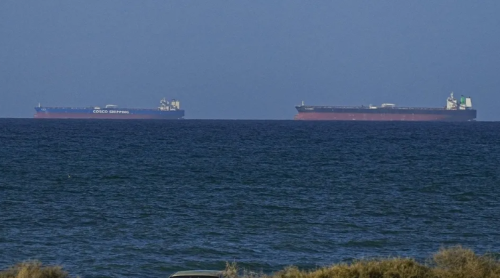
The warning follows continued Houthi attacks on commercial vessels in the Red Sea, including Saudi Arabian oil tankers, as tensions threaten a major global shipping route used for transporting energy supplies and other essential goods.
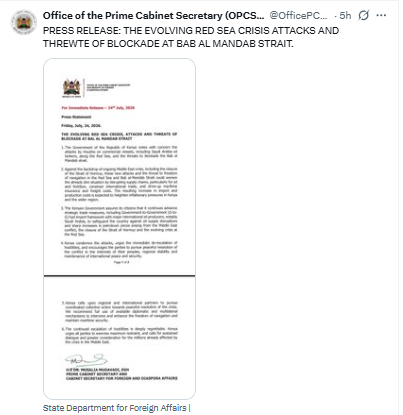
In a statement issued Friday, July 24, 2026, the Office of the Prime Cabinet Secretary and Ministry of Foreign and Diaspora Affairs said the attacks and threats to blockade the Bab al-Mandab Strait pose serious risks to international trade, energy security and global supply chains.
You Might Also Like



“The Government of the Republic of Kenya notes with concern the attacks by Houthis on commercial vessels, including Saudi Arabia oil tankers, along the Red Sea, and the threats to blockade the Bab al-Mandab Strait,” the ministry said.
The government warned that continued disruption of the Red Sea route, combined with challenges affecting the Strait of Hormuz, could increase the cost of importing oil, fertiliser and other essential commodities.
Fuel price risk
The biggest concern among Kenyans is whether the Red Sea crisis could eventually push up petrol and diesel prices at local fuel stations.
The government said disruptions to global shipping could increase freight charges, insurance costs and import expenses, creating additional pressure on petroleum prices and inflation.
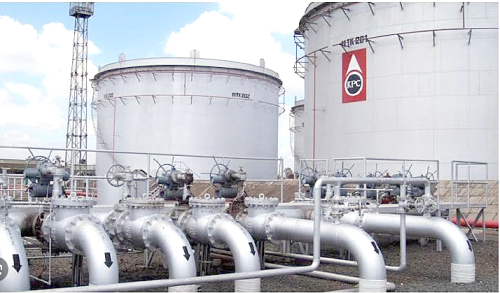
Kenya’s fuel prices are affected by several factors, including international crude oil prices, exchange rates, taxes, transportation expenses and global supply conditions. Any prolonged increase in shipping costs could add pressure to the cost of bringing petroleum products into the country.
A rise in fuel import costs would have wider economic effects because fuel is central to transport, agriculture, manufacturing and trade.
Higher petrol and diesel prices could increase operating costs for public transport operators, businesses and logistics companies, potentially affecting transport fares and the prices of goods moved across the country.
Households could also feel the impact through higher food prices because fuel is used throughout the supply chain, from agricultural production and processing to transportation and distribution.
Despite the risks, the government has assured Kenyans that there is no immediate fuel shortage and that contingency measures are being implemented to protect petroleum supplies.
The Ministry of Foreign and Diaspora Affairs said Kenya will continue using its Government-to-Government (G-to-G) fuel import framework with major oil-producing countries, particularly Saudi Arabia, to maintain stable supplies.
The arrangement is designed to reduce Kenya’s exposure to global market shocks and help cushion consumers from sudden increases in fuel prices.
Red Sea impact
The Red Sea is one of the world’s most important maritime corridors, connecting Asia, the Middle East, Europe and Africa.
The Bab al-Mandab Strait, located between Yemen and Djibouti, is a key passage for ships carrying oil, petroleum products and other goods. Any disruption along the route can affect global trade and increase transportation costs.
When shipping companies avoid the area because of security concerns, vessels are often forced to take longer alternative routes. This increases fuel consumption, insurance expenses and delivery times.
For Kenya, which relies on imported petroleum products, prolonged disruption in the region could create additional pressure on fuel import costs and the wider economy.
Kenya has condemned the attacks and called for an immediate de-escalation of hostilities, urging all parties to pursue diplomatic solutions to restore maritime security.
The government has also appealed to regional and international partners to strengthen efforts aimed at protecting freedom of navigation and maintaining stability along the Red Sea.
As global markets continue monitoring developments in the region, the immediate impact on Kenya petrol prices remains uncertain. However, prolonged disruption of major shipping routes could increase pressure on fuel costs, inflation and the cost of living.
For millions of Kenyans, the key question remains whether the Red Sea crisis will eventually reach the pump and affect petrol prices, diesel costs and household expenses across the country.
Author
Latest News




Advertisement
More on Business