Advertisement
Ruto’s electricity promise under scrutiny as Sifuna blames corruption for rising Kenya Power bills
Friday 24th July, 2026 10:21 PM|

President William Ruto’s promise that electricity costs would not increase has come under renewed political scrutiny after Nairobi Senator Edwin Sifuna accused corruption and costly power supply agreements of driving up electricity bills for Kenyan households.
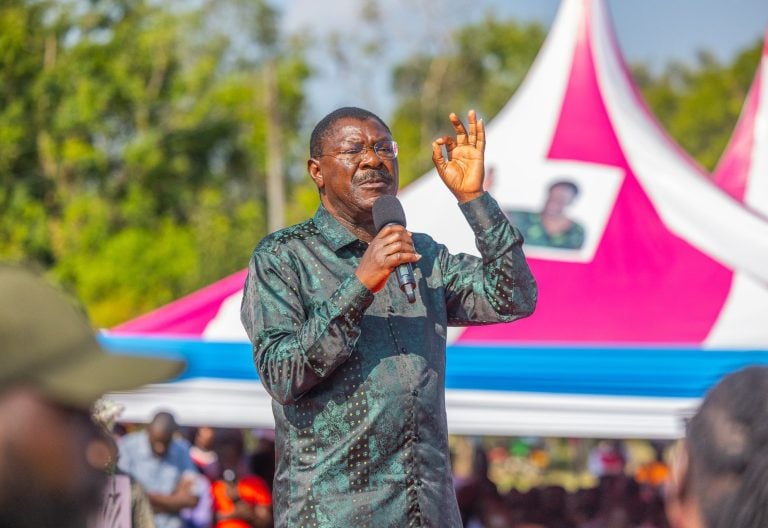
Speaking on Friday, July 24, 2026, during an interview with Luyha media stations ahead of Linda Mwananchi Western tour, Sifuna claimed Kenya has the highest electricity tariffs in the East African region, arguing that corruption within the energy sector, rather than a lack of generation capacity, is responsible for the rising cost of power.
“Kenya has the most expensive electricity in East Africa. While we pay about Ksh33 per kilowatt-hour, Ethiopia charges less than one shilling per kilowatt-hour. There is a reason electricity is so expensive in Kenya,” Sifuna said.
The senator, who previously served on the Senate Energy Committee, said the committee investigated the high cost of electricity and concluded that corruption was at the heart of the problem.
You Might Also Like


“When I served on the Energy Committee before I was removed recently, we investigated why electricity is so expensive in Kenya. Everything pointed to corruption,” he said.
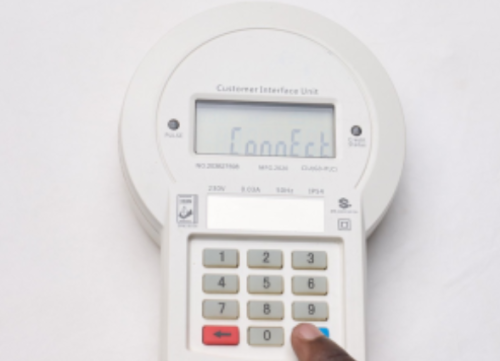
Sifuna claimed that electricity consumers are no longer provided with detailed billing information showing the various charges included in their Kenya Power tokens, claiming the change was intended to conceal how consumers’ money is spent.
“In the past, when you bought electricity tokens, you received a detailed breakdown showing your electricity units, fuel levy and foreign exchange fluctuation charges. When the Senate began investigating these costs, that level of detail disappeared because they do not want Kenyans to know where their money is going or see the corruption involved,” he claimed.
The former Orange Democratic Movement (ODM) Secretary General further criticised agreements between Independent Power Producers (IPPs), Kenya Power and the government, describing them as exploitative to ordinary consumers.
“The contracts between Independent Power Producers, Kenya Power and the government are designed to oppress ordinary Kenyans,” Sifuna claimed.
He argued that Kenya has sufficient untapped geothermal and hydropower capacity, which are among the country’s cheapest sources of electricity, but claimed vested interests continue to favour more expensive thermal generation.
“When we discuss solutions, experts tell us to increase investment in geothermal and hydropower because we have not even reached our full capacity, yet these are among our cheapest energy sources. However, some people prefer diesel-powered generators because they are suppliers and we know who they are,” Sifuna said.
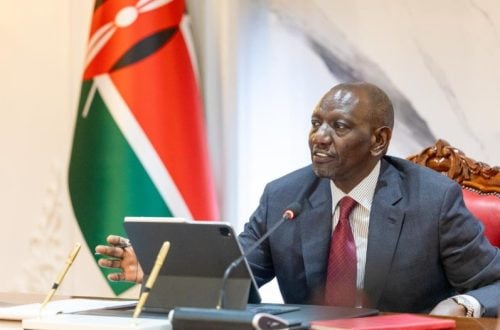
His remarks come three years after President Ruto assured Kenyans that electricity costs would not increase following the removal of government subsidies.
Speaking during a New Year church service in Mombasa in January 2023, Ruto dismissed reports that electricity tariffs would rise after the government scrapped the Kenya Power subsidy introduced under the previous administration.
“I want to assure the country that there will be no additional charges today or going into the future on electricity bills to the people of Kenya,” the President said at the time.
Ruto explained that subsidies removed in August 2022 had already been accounted for and said the government would review electricity tariffs while protecting low-income consumers and manufacturers. He also argued that the subsidy programme had been politically motivated and fiscally unsustainable.

EPRA on electricity cost
However, electricity bills have continued to rise, with the latest adjustments approved by the Energy and Petroleum Regulatory Authority (EPRA) increasing the cost borne by households and businesses.
Under the July review, consumers are paying a Fuel Energy Cost Charge of 320 cents per kilowatt-hour, a Foreign Exchange Fluctuation Adjustment of 148.41 cents, an Inflation Adjustment of 48 cents and a Water Resource Management Authority levy of 1.57 cents per unit.
The combined adjustments add about Ksh5.18 to every unit of electricity consumed. A household using 50 units monthly will pay approximately Ksh259 more, while those consuming 100 units face an additional Ksh518 before taxes and other applicable charges.
EPRA attributes the higher charges to increased fuel costs, foreign exchange losses and inflation across the electricity sector. The regulator says thermal power stations, including diesel-powered plants, remain necessary to support the national grid, while foreign exchange adjustments compensate power producers and utilities whose contractual obligations are denominated in foreign currencies.
Sifuna’s latest criticism is likely to intensify the political debate over the affordability of electricity, with the opposition accusing the Kenya Kwanza administration of failing to deliver on earlier assurances that power prices would remain stable while instead presiding over steadily rising electricity costs for households and businesses.
Author
Latest News




Advertisement
More on Inside Politics