Advertisement
Kenya charts new course for mangrove conservation
Friday 24th July, 2026 11:00 PM|
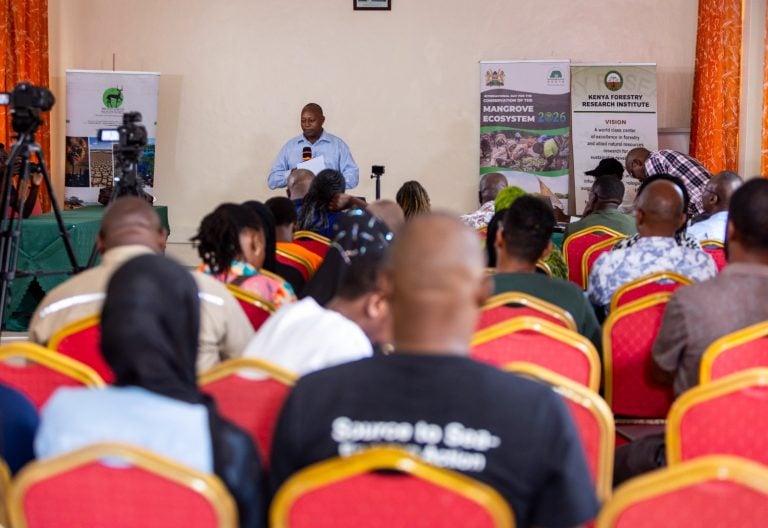
With Kenya’s National Mangrove Ecosystem Management Plan (2017–2027) entering its final phase, the government has begun laying the groundwork for a new strategy that will guide the conservation, restoration and sustainable management of the country’s mangrove forests over the next decade.
The process has taken centre stage at the National Mangrove Stakeholder Forum in Kilifi County, where representatives from government institutions, county governments, research organisations, development partners, Community Forest Associations, civil society organisations and the private sector are meeting to evaluate the progress made under the current management plan and define future priorities.
Convened by the State Department for Forestry under the theme “Advancing Policy Leadership, Coordination and Community-Led Stewardship for Kenya’s Mangrove Ecosystem,” the two-day forum aims to build consensus on a new national direction for mangrove governance as the current strategy approaches its conclusion.
The existing National Mangrove Ecosystem Management Plan was adopted to provide a framework for the sustainable management, conservation, restoration and rational utilisation of mangrove ecosystems.
You Might Also Like
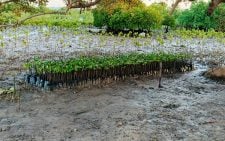


It recognises the critical role mangroves play in supporting biodiversity conservation, shoreline protection, fisheries production, climate change mitigation and the livelihoods of coastal communities.
Over the past decade, however, Kenya’s mangrove ecosystems have continued to face increasing pressure from illegal wood harvesting, encroachment, pollution, coastal development, sedimentation arising from inappropriate agricultural activities, reduced freshwater inflows caused by upstream river damming and the impacts of climate change.
These challenges have contributed to degradation of associated marine ecosystems and an annual mangrove cover loss of 0.7 per cent, highlighting the need for stronger policy interventions and improved coordination among stakeholders.
The forum is therefore reviewing achievements, challenges and lessons learned from implementation of the current management plan while generating strategic recommendations to shape Kenya’s next mangrove management strategy.
Chief among the priorities are strengthening governance structures, enhancing stakeholder coordination, promoting community-led stewardship, increasing private sector participation and identifying sustainable financing mechanisms to support restoration programmes.
Kenya Forestry Research Institute (KEFRI) Chief Executive Officer Dr Jane Njuguna said future restoration efforts must continue to be informed by sound scientific research.
“Healthy mangroves don’t happen by chance, they are built on science. At KEFRI, we are generating the research, technologies and innovations that enable Kenya to restore mangrove ecosystems effectively and sustainably,” she said.
Participants are also expected to develop an action framework that will strengthen national collaboration while supporting biodiversity conservation, ecosystem restoration, climate change commitments, the 15 Billion Trees Programme by 2032 and the country’s blue economy agenda.
Expected outputs include a strengthened national stakeholder consultation platform, a comprehensive review report on implementation of the National Mangrove Ecosystem Management Plan and strategic recommendations that will guide the country’s future conservation efforts.
As discussions conclude, stakeholders hope the next phase of Kenya’s mangrove conservation journey will build on lessons learned over the past decade, ensuring that stronger governance, science-driven decision-making and coordinated partnerships secure healthier mangrove ecosystems for future generations.
Author
Francis Muli
Francis Muli is an editor and passionate digital journalist with extensive experience in crafting compelling stories across various platforms. His major focus is in business, politics and current affairs. He has a keen eye for detail and a commitment to uncovering the truth. He has contributed to leading publications across the country. When not chasing stories, you can find Muli exploring new technologies, attending local events, or reading fiction. Connect with Francis Muli on X @FMuliKE and Facebook (Francis Muli) to follow his latest stories and insights.
View all posts by Francis MuliLatest News






Advertisement
More on News