Advertisement
Is a one-year AGOA extension favourable for Kenya and Africa?
Saturday 04th October, 2025 09:08 PM|
The African Growth and Opportunity Act (AGOA) has been one of the most significant trade frameworks connecting the United States with sub-Saharan Africa.
Enacted in May 2000 under President Bill Clinton, AGOA was designed to strengthen economic ties by providing duty-free access to the U.S. market for thousands of products from eligible African countries.
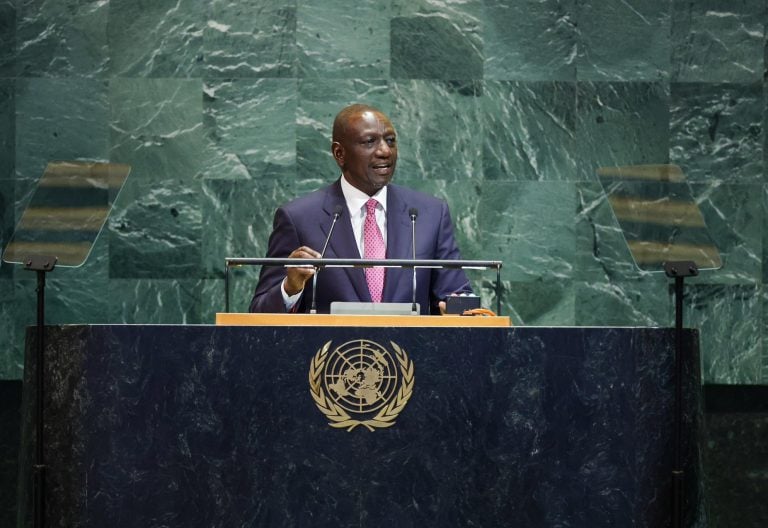
On October 4, 2025, President William Ruto confirmed that Kenya secured a one-year extension of AGOA. Speaking at Nyang’ori PAG Church Centenary in Vihiga County on Saturday, October 4, the Head of State said his recent trip to the US resulted in the deal’s renewal.
“Na ndio mliona juzi, nikiwa kule Marekani. Nimeongea na serikali ya Marekani, na sasa wametupatia extension ya ile soko ya AGOA, na sasa kwa the next one year, we will continue to export into their American market,” Ruto told the congregation.
You Might Also Like



This temporary reprieve means that, until September 2026, Kenyan exports such as apparel, textiles, coffee, tea, and horticultural produce will continue to enter the U.S. without tariffs. But the question remains: is one year enough, or is it just a stopgap solution?
AGOA: meaning and its role in Africa
AGOA is a non-reciprocal trade preference programme that currently benefits more than 30 African countries. It covers over 1,800 products, including textiles, motor vehicles and parts, minerals, metals, agricultural goods, and chemicals.
In practice, this translates into cheaper African exports in the U.S. and more competitive industries at home.
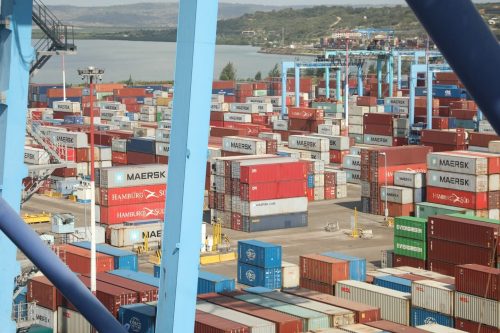
For instance, under AGOA, Kenya’s textile and apparel industries have thrived. In 2024, Kenya exported $470 million (Ksh60.7 billion) worth of apparel to the U.S., sustaining more than 66,000 jobs.
This growth has positioned Kenya among the top AGOA countries in terms of utilisation, alongside Lesotho, Zambia, and Benin. In 2024, African exports to the US under AGOA reached a value of 1 trillion ($8 billion).
AGOA benefits for Kenya and the U.S.
The AGOA benefits go both ways. For African countries, it secures market access and supports job creation. For the U.S., it keeps consumer prices low.
According to the Kenya Private Sector Alliance (Kepsa), AGOA saves American consumers between Ksh25.9 billion and Ksh32.4 billion on products like jeans, uniforms, and workwear.
Moreover, the agreement has become a strategic tool for Washington as it balances its foreign policy interests, particularly against China’s growing trade influence on the continent.
Why a one-year AGOA extension matters
The one-year extension of AGOA 2025 offers relief to exporters, workers, and industries heavily reliant on U.S. demand. Without it, tariffs would have risen sharply. For example, Kenya’s apparel exports would see its trade-weighted average US tariff nearly triple, jumping from 10 per cent to 28 percent, risking thousands of jobs.
In the short term, this extension protects workers in Kenya’s export-processing zones, farmers supplying tea, coffee, and horticultural produce and investors who had feared disruption in trade.
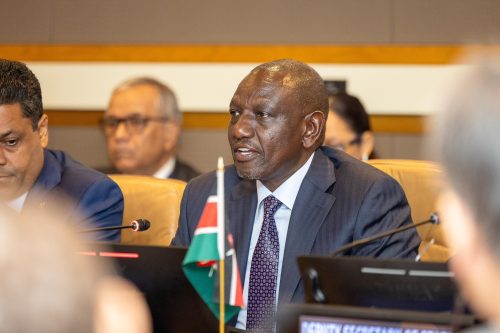
It also buys time for bilateral trade negotiations between Kenya and the U.S., which President Ruto has already confirmed are underway.
“Na vile vile tunaongea na wao ili tuakikishe ya kwamba kuna bilateral trade agreement kati ya Kenya na Marekani. Ndio tuweze kutumia soko ya Marekani kuinua kilimo ya taifa letu la Kenya na kupata soko ya mahali ambapo tunaweza kuuza kahawa yetu, chai, mambo ya horticulture, textiles na apparels na zile vitu zingine zote ambazo tunauza katika soko hiyo,” Ruto said on Saturday, October 4, 2025.
While welcome, critics argue that a one-year AGOA renewal is not a sustainable solution. The uncertainty creates challenges for businesses that rely on long-term contracts and investments. Factories may hesitate to expand production, and investors may adopt a wait-and-see approach.
Beyond AGOA: What next for African trade?
The uncertainty around AGOA has sparked conversations about Africa’s future trade strategies. Options include:
Bilateral trade agreements: Kenya is already negotiating with the U.S. for a direct deal.
Regional trade: The African Continental Free Trade Area (AfCFTA) could help Africa build stronger internal markets.
Diversification of partners: With China, the EU, India, and Turkey expanding their African presence, countries may seek to reduce reliance on one partner
Author
Kenneth Mwenda
Kenneth Mwenda is a business, sports, and politics digital writer with over seven years of experience in journalism, covering breaking news, feature stories, and in-depth analysis across a range of beats.
For inquiries, he can be reached at [email protected]
View all posts by Kenneth MwendaLatest News








Advertisement
More on Insights