Advertisement
Omtatah: SHA is extortion, not healthcare reform
Tuesday 22nd July, 2025 07:17 PM|

Busia County Senator Okiya Omtatah’s hard-hitting criticism of Kenya’s Social Health Insurance Fund (SHIF) has sparked intense debate over the future of the country’s healthcare system.
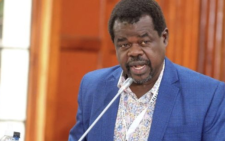
Speaking during Senate proceedings on July 22, 2025, Omtatah accused the government of weaponising healthcare contributions against the most vulnerable.
“It is very disheartening that we have reduced the health of our people to a mechanism for extracting money from the poorest of the poor,” Omtatah said, questioning the sincerity behind the push for universal healthcare.
The SHIF, intended to replace the National Health Insurance Fund (NHIF), requires Kenyans to pay a full year’s contribution before accessing services—an arrangement Omtatah says defeats its intended purpose.
You Might Also Like
He argues that improving public hospitals should have been the priority, not aggressive collections.
“If the intention was truly to achieve universal healthcare, the first step would have been to fix public hospitals. That has not been done,” he noted.
Ministry of Health data from 2024 shows that only 30% of Kenya’s public health facilities meet basic operational standards, a situation that mirrors findings in a 2022 Lancet study linking poor hospital conditions to limited healthcare access in low-income regions.
System failing Kenyans
Omtatah’s concerns are rooted in the lived experiences of ordinary Kenyans, who must make annual payments to the Social Health Authority (SHA), even when they can barely afford it.
He says the policy has become an extortion tool, with officials more focused on revenue collection than actual healthcare delivery. “People should be allowed to contribute based on their ability,” he stressed, adding that the Constitution guarantees every Kenyan the right to live and work anywhere without oppressive financial conditions.
His remarks come at a time when the Ethics and Anti-Corruption Commission (EACC) reports that Kenyans lose about Ksh3 billion monthly to institutional extortion. Omtatah fears SHIF could fuel this trend if unchecked.

Immediate reforms
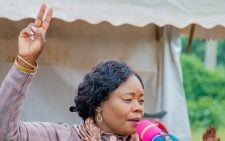
Fellow Senator Muthu Muhia echoed Omtatah’s sentiments, pointing out that government officials seem disconnected from the struggles of the common mwananchi.
“We must admit that when SHA is not working, something needs to be done. It’s not just about running around in villages claiming it is working when clearly it is not,” he said.
Muhia also criticised the unfairness of salaried MPs having smooth deductions and premium medical cover while ordinary citizens are left grappling with delays and denials. “What happens to the seven months you already paid for?” he asked, referencing reports of contributors waiting months without accessing services.
Muhia vowed to continue pushing for reforms, insisting the system must serve the people, not burden them.
As the debate unfolds, the senators’ critiques raise a pivotal question: Is SHIF genuinely about healthcare, or is it just another revenue stream at the expense of the poor?
Author
Latest News





Advertisement
More on Inside Politics