Advertisement
Sakaja defends Nairobi County govt’s flood response in heated TV call
Friday 13th March, 2026 08:19 AM|

Nairobi Governor Johnson Sakaja has defended his administration’s response to recent flooding in the capital during a heated TV call on Thursday, March 12, 2026.
During the live response, panellists sharply questioned the governor over the county’s handling of floods that left Kenyans stranded for hours, swept away vehicles, and contributed to at least 42 deaths nationwide since March 6, 2026.
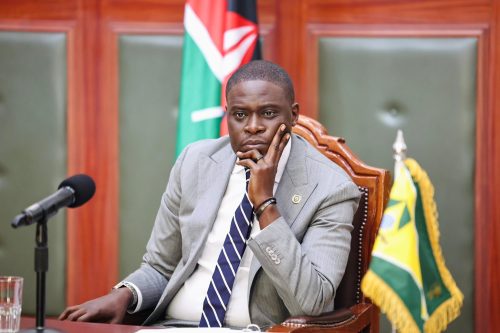
“The issue of floods is about the structural problems of Nairobi, and I have found a solution for resources for the city. Nairobi can never just be part of the formula for giving counties money. It’s a capital city,” Sakaja said.
Sakaja maintained that Nairobi’s flooding challenges are deeply rooted in structural issues dating back more than a century, arguing that the city’s original swampy terrain and outdated drainage systems cannot be resolved within a single political term.
You Might Also Like



He challenged the panellists, noting that expecting to resolve a century-old issue in just three years is unrealistic. He stressed that Nairobi, as Kenya’s capital, faces unique pressures not shared by other counties.
“The city was built on a swamp; a 100-year problem cannot be solved in 3 years,” he stated.
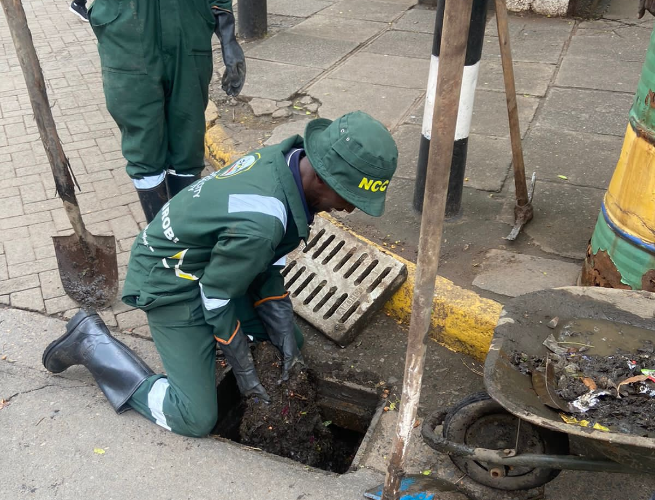
He said that the city has a challenge that needs a solution, and that is why he is in a cooperation agreement with the national government.
Deadly floods
In a press release on Tuesday, March 10, 2026, the National Police Service (NPS) confirmed the number of deaths following the recent deadly floods witnessed in various parts of the country, including Nairobi city.
The police announced that the fatalities stand at forty-nine, with 2,624 families having been displaced from their homes.
“The National Police Service (NPS) wishes to provide an update to the public following the heavy rains and flooding affecting various parts of the country, particularly in Nairobi,” NPS said.

Sakaja praised joint operations during the floods, where 4,500 Green Army personnel and county fire teams saved lives.
Ksh60B infrastructure needs
Despite improvements in own-source revenue from Ksh8 billion to Ksh13.8 billion, the funds remain insufficient for a growing city employing thousands in public services.
Sakaja dismissed claims of being overwhelmed, instead describing himself as “under-resourced” and a “glorified cashier paying salaries” without adequate backing for major projects.
Author
Emmanuel Rono
Rono is a digital journalist with a proven track record in newsroom leadership and content creation. Currently a Digital Writer for People Daily Digital, Emmanuel’s career is rooted in a lifelong passion for storytelling. Let's talk here: [email protected] or [email protected]
View all posts by Emmanuel RonoLatest News




Advertisement
More on News