Advertisement
How Kang’ata’s DCP switch boosts Gachagua’s Mt Kenya grip, rattles Ruto’s 2027 plans
Saturday 25th July, 2026 01:15 AM|
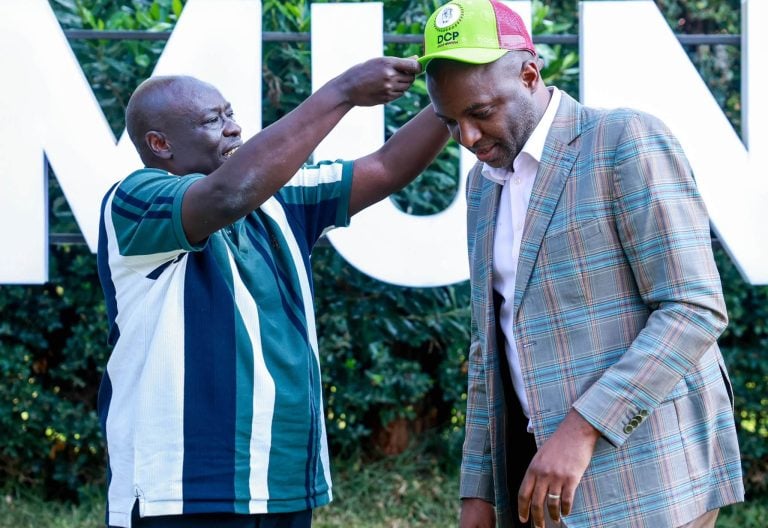
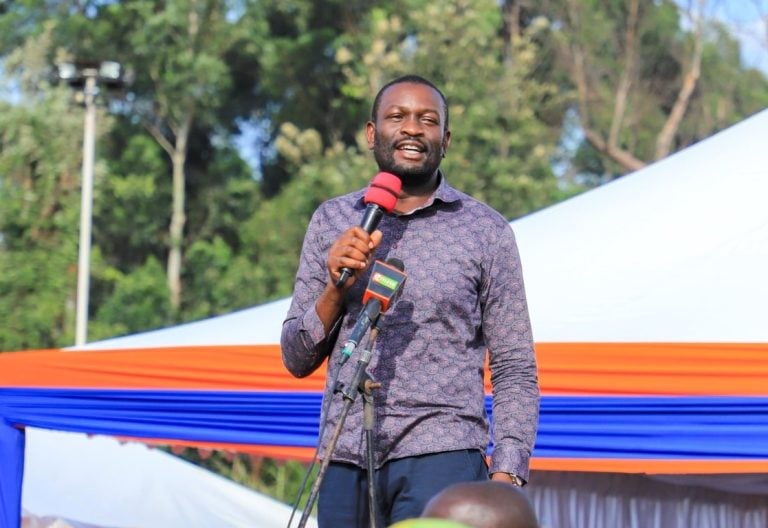
Rigathi Gachagua has scored one of his biggest political victories since leaving government after Murang’a Governor Irungu Kang’ata abandoned the ruling United Democratic Alliance (UDA) for the Democracy for Citizens Party (DCP), tightening the former deputy president’s grip on vote-rich Mt Kenya and intensifying pressure on President William Ruto’s 2027 re-election bid.
Kang’ata’s decision to seek a second term on a DCP ticket is more than a personal political shift. It strengthens Gachagua’s charm offensive across Mt Kenya, where he has spent months courting elected leaders, grassroots networks and voters disillusioned with the Kenya Kwanza administration.
The Murang’a governor is no ordinary defector. He was among UDA’s most influential political figures in Mt Kenya during the 2022 General Election, helping mobilise overwhelming support for Ruto in one of the country’s most decisive voting blocs. Kang’ata himself won the Murang’a governorship with 256,651 votes,74 per cent of ballots cast, on a UDA ticket, making his exit a significant blow to the ruling party’s regional political machinery.
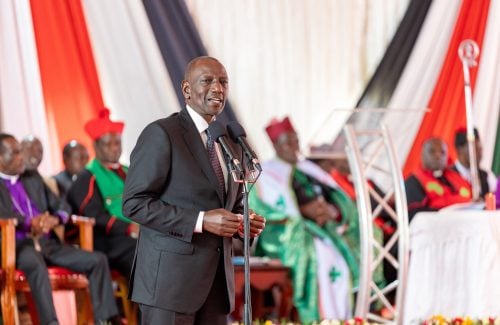
Explaining his decision, Kang’ata argued that remaining in UDA would weaken his political prospects, saying the fallout from Gachagua’s impeachment had fundamentally altered Mt Kenya’s political landscape.
You Might Also Like


“That impeachment was ill-advised, was unnecessary and is among the main reasons the government and UDA are in trouble in the Mt Kenya region. That is why some of us feel that aligning with the two in 2027 would be defeatist,” he said.
His remarks reinforce Gachagua’s argument that his impeachment became a political turning point that alienated Mt Kenya voters from the Kenya Kwanza administration. Kang’ata also revealed that he had anticipated Gachagua’s resurgence long before it unfolded politically.
“On July 20, 2024, I wrote an article predicting that Rigathi Gachagua would be influential come 2027. Now, come 2027, I will use DCP to defend my seat,” he said.
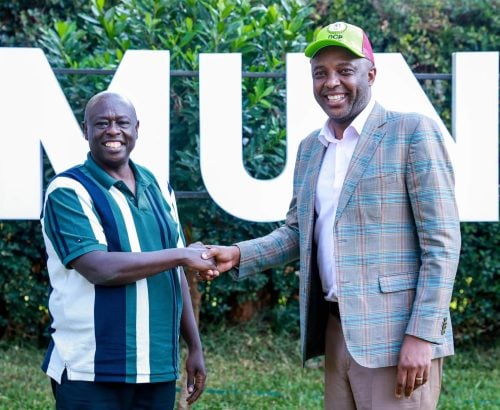
DCP’s charm offensive
The move also signals that Gachagua is steadily transforming DCP from a protest vehicle into a formidable political force. The party has continued attracting elected leaders while capitalising on growing dissatisfaction with the government, momentum that was further reinforced by its convincing victory in the Ol Kalou by-election.
For the opposition, Kang’ata’s switch strengthens the numbers game that could determine the outcome of the 2027 presidential race. Mt Kenya remains Kenya’s largest electoral battleground, with Gachagua insisting the region can mobilise more than seven million votes, almost matching the total votes Ruto secured nationally to win the presidency in 2022.
Gachagua has openly acknowledged the decisive role Mt Kenya played in electing Ruto in 2022 while urging the region to chart a different political course in the next election.
“We handed this administration nearly half of the votes that brought it to power. To our fellow Kenyans, we are sorry,” he said, maintaining that the region now has an opportunity to redefine the country’s political direction.
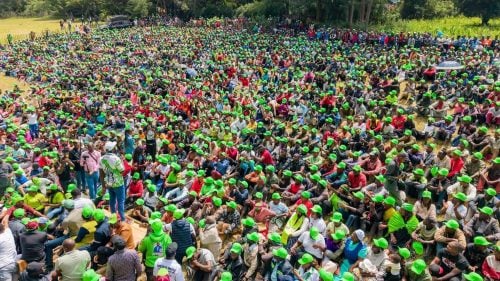
Ruto’Gachagau Mt Kenya chessboard
If Gachagua succeeds in consolidating that voting bloc behind DCP and an opposition coalition, Ruto’s path to a second term becomes significantly more complicated. Every influential UDA leader who crosses over weakens the political network that propelled the President to State House while strengthening the opposition’s prospects of reclaiming the region.
The timing of Kang’ata’s decision is equally significant. Rather than waiting for political winds to settle, he has positioned himself early within Gachagua’s camp, signalling confidence that public opinion in Mt Kenya has shifted decisively against UDA.
His move may also embolden other elected leaders who have remained publicly loyal to the ruling party but are quietly reassessing their political future ahead of party nominations.
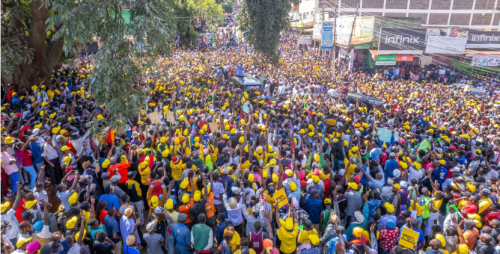
Although Kang’ata and Gachagua previously clashed over the Ol Kalou by-election, both leaders have now set aside those differences in pursuit of a broader political objective, uniting Mt Kenya under DCP ahead of 2027. Their reconciliation demonstrates Gachagua’s willingness to expand his coalition by welcoming former UDA allies who now view their political survival as tied to the opposition.
For Ruto, Kang’ata’s defection represents more than the loss of a governor. It strips UDA of one of its most influential regional pillars and raises fresh questions about whether the party can retain the political machinery that delivered overwhelming support from Mt Kenya in 2022.
If more governors, MPs and senators follow Kang’ata into DCP, Gachagua could transform what began as a personal fallout with Ruto into the biggest political realignment in Mt Kenya since the last General Election, fundamentally reshaping the battle for State House in 2027.
Author
Latest News



Advertisement
More on Inside Politics