Advertisement
How Gachagua outsmarted Ruto’s UDA to win the Ol Kalou by-election by nearly 30,000 votes
Friday 17th July, 2026 09:10 PM|
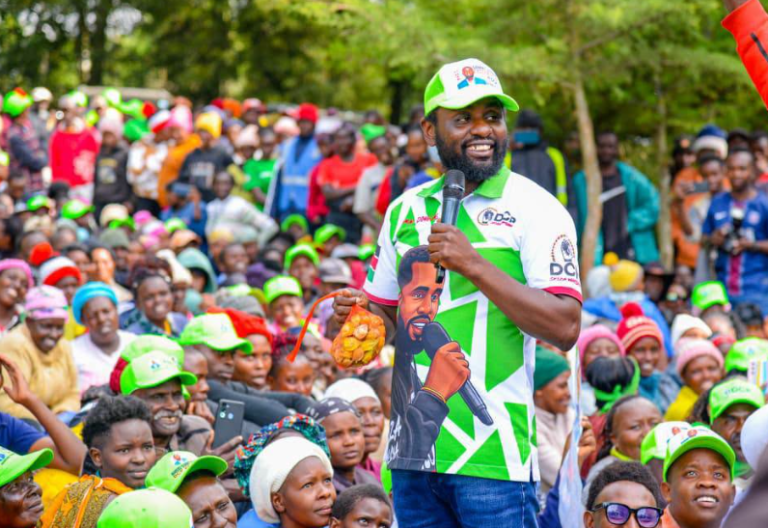
The Ol Kalou by-election has reshaped Kenya’s political conversation after former Deputy President Rigathi Gachagua handed President William Ruto’s United Democratic Alliance (UDA) one of its biggest electoral defeats in Mt Kenya since the 2022 General Election.
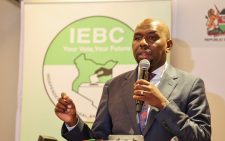
The Independent Electoral and Boundaries Commission (IEBC) declared Democracy for the Citizens Party (DCP) candidate Sammy Douglas Kamau Waweru the winner with 35,440 votes, defeating UDA’s Samuel Muchina Nyagah, who garnered 5,450 votes. The parliamentary seat fell vacant following the death of Ol Kalou MP David Njuguna Kiaraho in March.
Beyond replacing a legislator, the Ol Kalou by-election results have become an early indicator of the political battle likely to define the road to the 2027 General Election
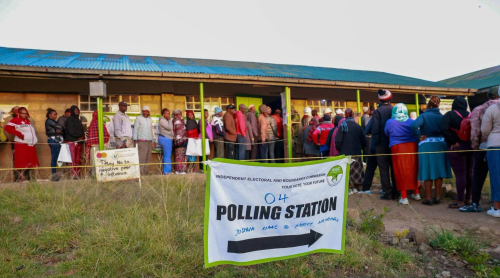
Mt Kenya referendum
From the beginning, DCP framed the contest as more than a parliamentary race. Gachagua’s allies presented it as an opportunity for Mt Kenya voters to judge the Kenya Kwanza administration, while UDA sought to prove that President Ruto still enjoyed overwhelming support in one of his strongest political bases.
You Might Also Like

That strategy transformed Ol Kalou into one of the country’s most closely watched by-elections.
Gachagua stayed in the background while Methu took charge. Instead of dominating the campaign, Gachagua made a calculated decision to let Nyandarua Senator John Methu and Kinangop MP Wanjiku Muhia run DCP’s operations on the ground.
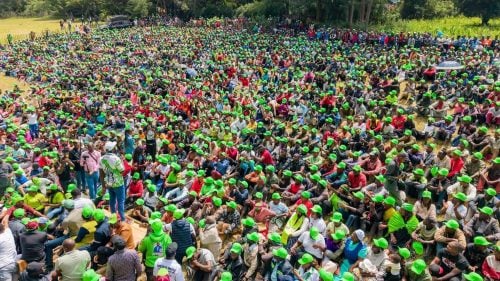
The campaign revolved around daily grassroots meetings, ward-by-ward mobilisation and constant engagement with voters. Campaign coordinators reportedly met before dawn to assess feedback before deploying teams across the constituency, ensuring DCP maintained visibility in every ward throughout the three-month campaign.
Only after victory did Gachagua explain why he had largely stayed away from the frontline.
“Two years ago, I committed to mentoring the next generation of leadership. I deliberately kept off this campaign to see whether my mentees have come of age and I did ask Senator John Methu and Wanjiku Muhia to lead the campaign. I wanted to see whether they have what it takes to provide leadership. I want to confirm today that John Methu has come of age and Wanjiku Muhia is now a coveted leader of the mountain. We are very happy with you.”
The approach contrasted with UDA’s strategy of deploying senior national leaders, giving DCP the advantage of appearing as a locally driven movement rather than a centrally directed campaign.
Methu emerged as Gachagua’s political general
The by-election also elevated Senator John Methu’s profile within Mt Kenya politics.
Once regarded as a first-term legislator, Methu became the face of DCP’s campaign, coordinating strategy, supervising mobilisation teams and keeping the party’s message consistent across the constituency.
Recognising his role, Gachagua told supporters after the election:
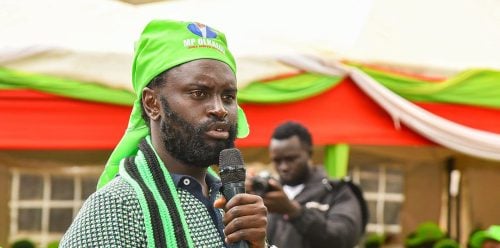
“I salute our campaign leaders, Hon. John Methu Gitungati and Hon. Wanjiku Muhia Ngatha, for their outstanding leadership and guidance throughout the three-month campaign. I was deeply impressed by the way you organized and led us.”
On the government side, Nyandarua Woman Representative Faith Gitau led UDA’s local campaign, turning the contest into a closely watched political duel between two influential county leaders.
Rather than celebrate only the parliamentary seat, Gachagua immediately used the victory to send a broader political message to President Ruto.
“I’m a leader who listens to the ground. All over this country, people have told us they are done with William Ruto. It is finished. It is over, Mr President.”
The remarks reinforced DCP’s campaign narrative that the by-election reflected growing dissatisfaction with the Kenya Kwanza administration rather than simply local political dynamics.
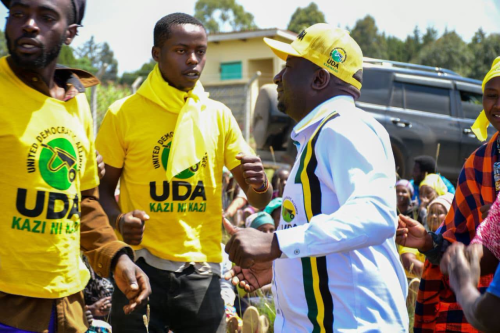
5 moves that helped DCP defeat UDA
DCP’s victory was built on five key strategies.
First, it transformed a constituency race into a symbolic battle for Mt Kenya’s political leadership.
Second, it relied on trusted local leaders instead of national political heavyweights.
Third, the party maintained an intensive grassroots operation throughout the campaign rather than relying on last-minute rallies.
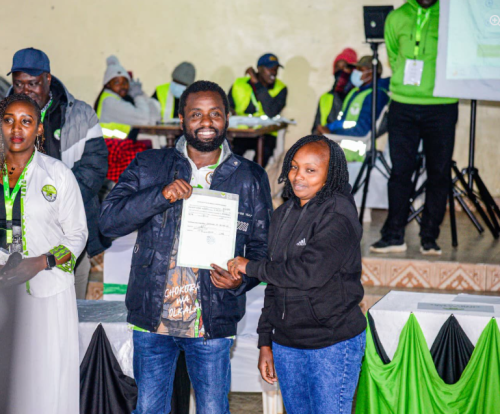
Fourth, Gachagua allowed emerging leaders such as Methu to take centre stage, strengthening DCP’s long-term political structure.
Finally, DCP successfully framed the election around the future political direction of Mt Kenya instead of limiting the debate to local issues.
For UDA, the defeat raises fresh questions about its grip on a region that overwhelmingly backed President Ruto in 2022. For Gachagua, the Ol Kalou by-election victory delivers more than DCP’s first parliamentary seat; it provides momentum, credibility and a significant psychological boost as Kenya’s political focus increasingly shifts towards the 2027 General Election.
Author
Latest News


Advertisement
More on Inside Politics