Advertisement
What the Ol Kalou by-election means for 2027 politics
Friday 17th July, 2026 05:42 PM|
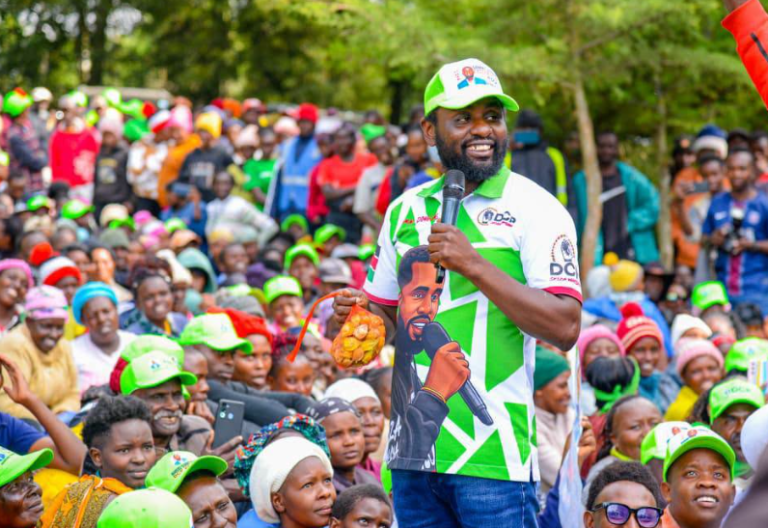
The outcome of the Ol Kalou parliamentary by-election may have been decided in a single constituency, but its political implications extend far beyond Nyandarua County.
The landslide victory by Democracy for the Citizens Party (DCP) candidate Sammy Douglas Kamau Waweru over President William Ruto’s United Democratic Alliance (UDA) candidate has immediately become one of the most consequential electoral moments since the 2022 General Election, offering an early glimpse into the alliances, narratives and battlegrounds likely to define the 2027 presidential race.
While by-elections are often shaped by local dynamics, the Ol Kalou contest was anything but ordinary. It evolved into a symbolic showdown between President Ruto and his former deputy Rigathi Gachagua, with both camps deploying senior political figures, extensive campaign machinery and significant resources in an attempt to prove their dominance in the Mt Kenya region.
A referendum on Mt Kenya politics
Perhaps the biggest takeaway is that Mt Kenya politics appears more fluid than it was in 2022.
You Might Also Like


The DCP’s overwhelming victory, with 35,440 votes against UDA’s 5,450, suggests that Gachagua still commands considerable influence in parts of the region despite his removal from government. Whether that support can be replicated across the entire Mt Kenya bloc remains uncertain, but the margin has undoubtedly strengthened his bargaining position within the opposition.
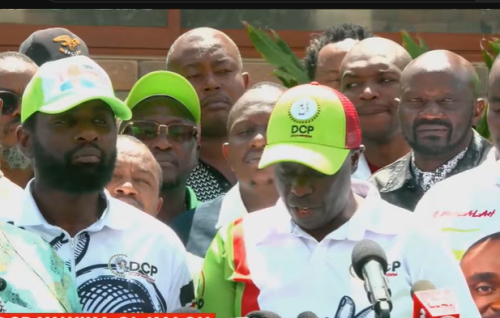
For President Ruto, the result represents more than the loss of a parliamentary seat.
The constituency had become a political test of whether UDA could retain its grip on a region that overwhelmingly backed Kenya Kwanza in 2022. Instead, the scale of defeat is likely to trigger serious introspection within the ruling party.
Deputy President Kithure Kindiki appeared to acknowledge this reality shortly after the results were announced, posting the brief message: “Back to the drawing board.”
Gachagua’s influence gets a major boost
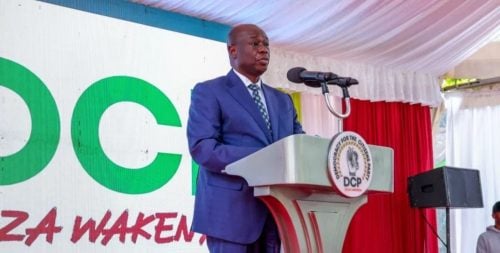
The Ol Kalou result also elevates Rigathi Gachagua’s stature within the opposition.
Since launching DCP, Gachagua has argued that he remains the principal political voice of Mt Kenya. Critics questioned whether those claims would translate into electoral success.
Ol Kalou has now provided him with tangible evidence that his party can defeat UDA in what had been considered one of the ruling party’s traditional strongholds.
That victory is likely to strengthen his negotiating power in any future coalition discussions involving opposition figures such as Kalonzo Musyoka, Martha Karua, Eugene Wamalwa, Fred Matiang’i and other leaders positioning themselves ahead of 2027.
Pressure mounts on UDA
The by-election exposed growing challenges facing the ruling party.
Throughout the campaign, opposition leaders accused the government of deploying excessive state resources, while UDA insisted it remained confident of victory. The campaign was also overshadowed by allegations of voter bribery, intimidation and violence, prompting concern from institutions including the Independent Electoral and Boundaries Commission (IEBC) and the Kenya National Commission on Human Rights (KNCHR).
Although UDA has described the outcome as a setback rather than a broader rejection of the government, the defeat raises uncomfortable political questions.
Can the ruling party retain Mt Kenya without Gachagua?
Will development projects alone be enough to rebuild political goodwill?
Those questions are likely to dominate Kenya Kwanza’s internal strategy meetings over the coming months.
Coalitions will matter more than ever
Another lesson from Ol Kalou is that coalition politics may once again determine Kenya’s next presidency.
If the opposition succeeds in consolidating behind a single presidential candidate, while preserving Gachagua’s influence in Mt Kenya, the electoral arithmetic becomes significantly more competitive.
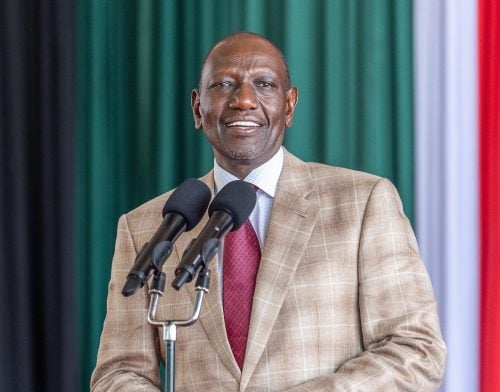
At the same time, President Ruto has already intensified outreach to regions such as Western Kenya, Coast and parts of Nyanza, signalling that Kenya Kwanza intends to broaden its support base rather than rely solely on its 2022 coalition.
Indeed, just hours after the Ol Kalou result, Ruto hosted Bungoma leaders at State House and highlighted more than Ksh38 billion worth of development projects planned for the county, reinforcing perceptions that Western Kenya is becoming increasingly important in his 2027 strategy.
Violence remains a warning sign
Perhaps the most troubling aspect of the by-election was not the result itself but the conduct of the campaign.
The contest was marred by reports of violence, destruction of property, attacks on journalists and allegations of voter bribery. The IEBC publicly warned that persistent violations could even force the postponement of the election, while KNCHR deployed observers and later called for investigations into electoral offences.
If left unaddressed, such incidents risk eroding public confidence in future elections.
Author
Mustafa Juma
View all posts by Mustafa JumaLatest News




Advertisement
More on Insights