Advertisement
Poor harvest before El Niño: Kenya faces double food security threat as rains shift to January
Saturday 25th July, 2026 01:52 AM|
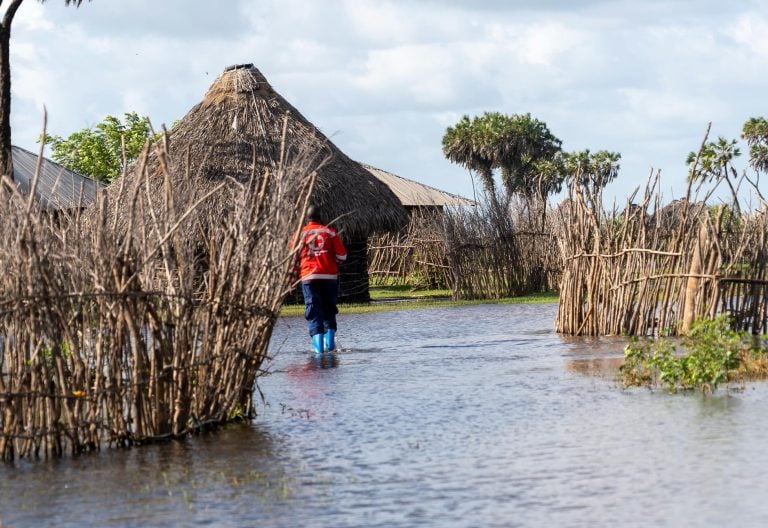
Kenya is confronting the prospect of a double food security challenge after poor rainfall reduced cereal harvest prospects just as the government revised its El Niño forecast, warning that enhanced rains could now persist until January next year.
The back-to-back climate events threaten to squeeze food supplies from two directions. A weaker harvest could reduce the amount of grain reaching markets in the coming weeks, while prolonged heavy rains later in the year could disrupt transport, damage infrastructure and complicate efforts to restore agricultural production.
Deputy President Kithure Kindiki announced the revised outlook on Friday, July 24, 2026, after chairing a meeting of Cabinet Secretaries and Principal Secretaries in Karen, saying the government was preparing for both a sub-optimal harvest and an extended period of heavy rainfall.
“Following depressed rains in the cereal-producing parts of Kenya this season, a lower harvest is expected in the coming weeks. This situation is predicted to result in El Niño rains from October until January next year,” Kindiki said.
You Might Also Like



The revised forecast marks a significant shift from earlier projections by the Kenya Meteorological Department (Kenya Met), which had expected the enhanced rainfall associated with El Niño to be largely confined to the October-November-December rainy season.
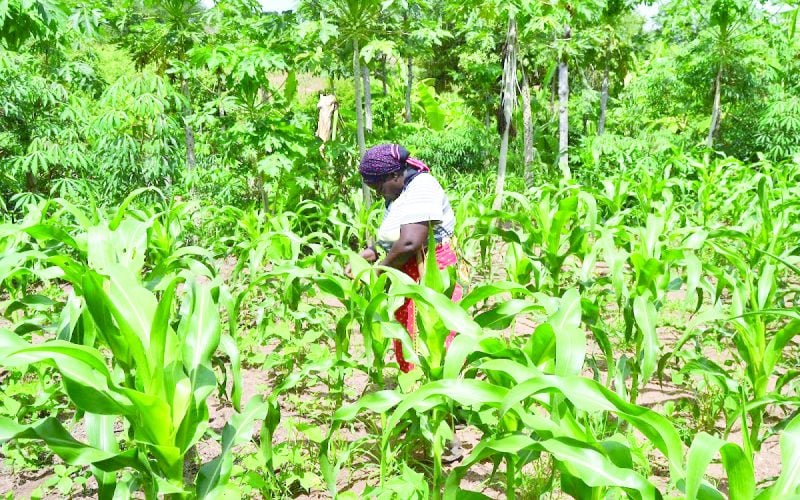
A twin challenge for Kenya’s food security
Unlike previous weather updates that focused primarily on flood preparedness, the latest government assessment reveals how two successive climate events could strain the country’s food system.
The first challenge is an expected decline in cereal production after below-average rainfall affected crop development in Kenya’s major grain-producing regions. Counties such as Trans Nzoia, Uasin Gishu, Nakuru and Narok account for a significant share of the country’s maize and wheat production. Lower harvests from these areas could tighten grain supplies and place upward pressure on staple food prices if production falls below demand.
The second challenge lies in the extended El Niño season. While enhanced rainfall could replenish water resources and improve soil moisture ahead of the next planting cycle, prolonged heavy rains also increase the risk of flooding, damaged roads and bridges, disrupted transport corridors and delayed movement of food from farms to markets.
Agricultural economists have long observed that food security depends not only on how much food is produced, but also on how efficiently it moves through supply chains. Even where sufficient food exists nationally, damaged infrastructure and transport disruptions can reduce market access, increase distribution costs and contribute to higher consumer prices.
Together, a weaker harvest followed by months of enhanced rainfall presents a more complex food security challenge than either event would create on its own.

Government steps up preparedness
Kindiki said the government is already implementing measures to cushion both households and farmers against the anticipated impacts.
“The government is seized of the food security implications of both the expected sub-optimal harvest and subsequently the predicted El Niño rains to ensure citizens are cushioned from hunger and farmers are supported with subsidised farm inputs to enable them maximise production in the October-December season,” he said.
The government plans to provide subsidised farm inputs ahead of the next planting season while maintaining food security interventions for vulnerable households if shortages emerge.
Friday’s meeting also agreed to strengthen coordination across ministries and establish continuous monitoring of preparedness efforts ahead of the expected rains.
National contingency measures already underway
The revised outlook builds on assurances Kindiki gave on July 2, when he announced that the government had activated a National El Niño Contingency Plan to prepare for possible flooding and related emergencies.
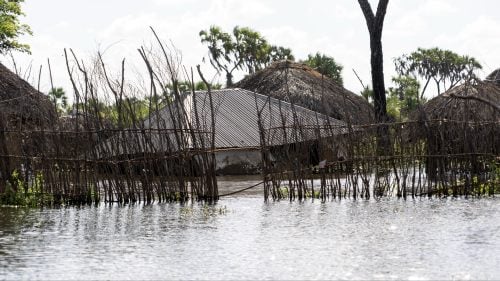
The plan includes reinforcing roads and bridges, clearing drainage systems, pre-positioning emergency supplies, preparing evacuation plans for flood-prone communities and issuing advisories to farmers to minimise agricultural losses.
“We want to tell the public not to panic. We are engaged; all the ministries and agencies are engaged to ensure in the event of the rains, the country is prepared and not taken by surprise,” Kindiki said at the time.
The government’s approach reflects lessons from previous El Niño seasons, when flooding damaged infrastructure, displaced communities and disrupted economic activity in several parts of the country.
Scientists monitoring two climate systems
The government’s revised forecast comes as meteorologists continue monitoring the interaction between El Niño and the Indian Ocean Dipole (IOD), a climate pattern that strongly influences rainfall across East Africa.
Earlier forecasts by the Kenya Meteorological Department placed the probability of El Niño developing later this year at between 80 and 82 per cent. Acting Director of Meteorological Services Edward Muriuki said the intensity of the October-December rains would depend partly on whether a positive Indian Ocean Dipole develops alongside El Niño.
Climate scientists say when the two phenomena strengthen simultaneously, East Africa can experience substantially above-average rainfall, increasing the likelihood of flooding, landslides, infrastructure damage and disruption to agriculture and transport.
Officials have also cautioned that the developing 2026 El Niño could become one of the strongest in recent years, prompting preparedness measures months before the onset of the rainy season.
Will food prices be affected?
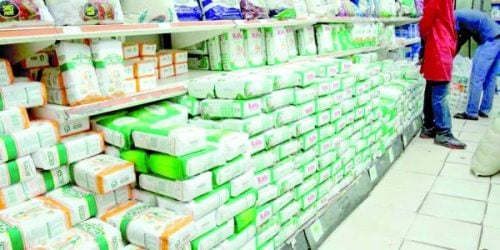
The extent of any impact on food prices will depend on the size of the upcoming harvest and how effectively authorities manage the rainy season.
A lower cereal harvest can reduce grain supplies entering the market, while prolonged flooding can interrupt transport routes, increase logistics costs and delay deliveries to wholesalers and retailers. Combined, these factors can place upward pressure on the prices of staple foods if supplies become constrained.
Government officials say preparations are intended to minimise those risks by protecting infrastructure, supporting farmers and ensuring emergency assistance reaches vulnerable communities where necessary. Kenya’s immediate focus will be the outcome of the cereal harvest expected in the coming weeks, followed by preparations for the October planting season using government-supported farm inputs.
At the same time, national and county authorities are implementing flood mitigation measures ahead of the revised El Niño season, which is now expected to continue until January next year.
The coming months will test the country’s ability to manage two successive climate challenges. While a poor harvest could tighten food supplies, the effectiveness of Kenya’s preparedness efforts, including protecting transport networks, supporting farmers and maintaining food distribution, will play a critical role in determining whether the country avoids a broader food security crisis.
Author
Latest News



Advertisement
More on News