Advertisement
Revealed: Kiambu, Nairobi led in anti-fuel protests deaths
Sunday 07th June, 2026 12:32 AM|

Kiambu and Nairobi emerged as the deadliest counties during the anti-fuel protests that swept across Kenya in May 2026, accounting for more than half of all deaths linked to police action during the demonstrations, according to new data released by the Missing Voices Coalition.
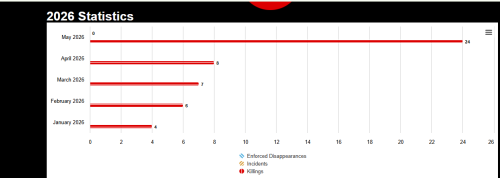
The report released on Friday, June 5, 2026, shows that seven people were killed in Kiambu and six in Nairobi during a month that recorded 24 police-related killings nationwide, the highest monthly toll recorded in 2026.
The findings place fresh scrutiny on police handling of public demonstrations following widespread protests over rising fuel prices and the cost of living.
According to the coalition’s data, 49 people have been killed by police between January and May 2026. While fatalities had been increasing steadily throughout the year, May recorded a dramatic spike, accounting for nearly half of all police killings documented during the five months.
You Might Also Like



A closer examination of the figures reveals that public demonstrations were at the centre of the deadly month. Of the 24 deaths recorded in May, 21 occurred during police operations linked to protests.
Nineteen people were killed during anti-fuel hike demonstrations held on May 18 and 19, 2026, while two others died during an earlier protest by boda boda riders who were demonstrating against alleged police harassment.
County-level data shows that Kiambu recorded the highest number of fatalities, with seven deaths, followed closely by Nairobi with six. Nakuru registered four deaths, while Busia recorded three. Vihiga reported two deaths, while Nyeri and Kakamega each recorded one fatality.
Police brutality
The concentration of deaths in Kiambu and Nairobi, counties that witnessed some of the largest anti-fuel demonstrations, has intensified questions about the tactics used by law enforcement officers during crowd-control operations.
In its report, the Missing Voices Coalition warned that the trend points to deeper concerns about policing practices in Kenya.

“The figures point to an increasingly aggressive approach to law enforcement and highlight the urgent need for reforms in public order policing,” the coalition said.
The organisation further noted that the geographical distribution of the deaths suggests a broader national problem rather than isolated incidents.
“The geographical spread of the killings points to systemic concerns rather than isolated incidents, raising questions about operational practices employed during the policing of demonstrations,” the report states.
The deaths have also reignited debate over constitutional rights and the use of force by security agencies.
Article 37 of the Constitution guarantees every person the right to assemble, demonstrate, picket and present petitions to public authorities peacefully and unarmed.
Human rights groups argue that the deaths recorded during the May demonstrations raise concerns about whether police responses met legal standards requiring force to be lawful, necessary and proportionate.
Beyond protest-related fatalities, the coalition also documented three deaths in police custody during May, bringing the total number of custodial deaths recorded this year to four.
Author
Latest News








Advertisement
More on News