Advertisement
Murkomen: Nandi County reports 90% decline in drug abuse
Sunday 10th May, 2026 07:17 PM|

Interior and National Administration Cabinet Secretary Kipchumba Murkomen has reported a 90% reduction in drug and substance abuse in Nandi County, crediting coordinated efforts by security agencies and local administrators.
The announcement was made during a church service at St Peter’s Cathedral in Kapsabet on May 10, 2026, where he also attended a resource mobilisation drive for church infrastructure development.
Murkomen commended the county security team and chiefs for what he termed significant progress in tackling drug-related challenges. He attributed the reduction to joint enforcement efforts between security officers and local administrators working at the grassroots level.
“I want to congratulate the county security team, together with our chiefs, for a job well done. Drug and substance abuse has reduced in Nandi County by 90%,” he said.
You Might Also Like
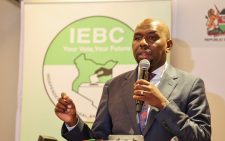


He urged continued collaboration between the church, community leaders, and residents to sustain the gains achieved in the anti-drug campaign. Murkomen emphasised the importance of community involvement in reinforcing enforcement measures and prevention strategies.
The push also adds up to an earlier call, Murkomen said, teachers play a critical role in shaping learners and warned that alcohol and drug abuse among educators threatens discipline, mentorship, and the quality of education in schools.

Speaking during the inaugural Elgeyo-Marakwet Elimu Conference at the Lorna Kiplagat Academy in Iten, he called for a clear policy framework to guide the handling of addiction cases among teachers.
“We need to have a clear policy on how to deal with addicted teachers,” Murkomen said, adding, “We can’t have addicted teachers and expect them to deliver to our students.” He noted that addressing the problem would require coordinated efforts between government agencies, education stakeholders and institutions to strengthen professionalism and accountability within the teaching sector.
National context of illicit alcohol trade
The development in Nandi comes amid ongoing national concerns over illicit alcohol and drug abuse. Parliamentary discussions have previously indicated that Kenya loses more than Ksh120 billion annually in tax revenue due to the illegal alcohol trade.
On April 29, 2026, the National Assembly’s Public Petitions Committee discussed a petition on the manufacture, sale and consumption of illicit brews. During the session, stakeholders raised concerns over the scale of the illegal market and its impact on public health and government revenue.
Alcoholic Beverages Association of Kenya (ABAK) chairperson Kui Kinyanjui told the committee that illicit alcohol accounts for about 6% of the market, with unlicensed operators avoiding taxes and regulatory standards.
Interventions and enforcement proposals
Stakeholders called for strengthened enforcement through a multi-agency approach involving the Kenya Revenue Authority (KRA), National Police Service, Kenya Bureau of Standards (KEBS), Anti-Counterfeit Authority, and both national and county governments.
Proposals included the introduction of excise stamps and a digital track-and-trace system for alcohol products to improve monitoring and compliance. Anti-Counterfeit Authority CEO Robi King’a highlighted porous borders such as Busia, Malaba, Namanga and Moyale as key entry points for smuggled alcohol products.
King’a also cited coordination challenges among enforcement agencies and proposed the establishment of a legal framework to enhance collaboration.
In Uasin Gishu, targeted enforcement initiatives have been launched to address illicit brews, while calls continue for stronger political commitment and sustained regulatory reforms. Nandi’s reported progress is being referenced as an example of coordinated enforcement and community participation in addressing substance abuse.
Author
Latest News






Advertisement
More on News