Advertisement
Why Treasury plans new Eurobond buyback amid Ksh12 trillion public debt
Friday 17th July, 2026 11:04 PM|

Kenya plans a new Eurobond buyback to refinance existing external debt, reduce repayment risks and spread its Ksh12 trillion public debt obligations over a longer period. The National Treasury says the planned dollar-denominated bond will help avoid large maturity payments, improve Kenya’s debt maturity profile and ease pressure on government finances.
The transaction comes as Kenya intensifies efforts to manage its sovereign debt burden amid rising debt servicing costs, limited fiscal space and concerns over future external debt repayment obligations.
Unlike previous Eurobond issuances that were largely associated with budget financing, the latest Kenya dollar bond plan is focused on liability management, replacing older debt with longer-term financing to reduce rollover risks.
Treasury says proceeds from the new bond will primarily finance the buyback of existing obligations, with any additional funds directed towards supporting the national budget.
You Might Also Like


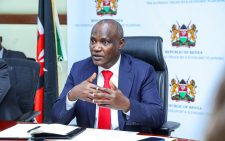
“In this financial year, we are targeting $500 million (Ksh64.6 billion) from the Samurai bond. That is because we are diversifying our sources of debt and looking for more concessional rates, and if you look at Samurai bonds, the interest rate is around 4 per cent or even less,” Mbadi said.
The move forms part of the National Treasury debt management strategy for 2026, which seeks to create a smoother repayment schedule and protect Kenya from sudden external financing pressures.

Debt reset
Kenya’s approach to borrowing has changed significantly as the government moves from simply raising funds to actively managing its debt portfolio.
The Kenya Eurobond buyback strategy is designed to reduce refinancing risks by replacing near-term obligations with longer-dated instruments. Treasury argues that extending repayment timelines will give the government more flexibility to manage public finances and support economic priorities.
Cabinet Secretary for the National Treasury John Mbadi has described the approach as a proactive debt management strategy aimed at improving Kenya’s debt maturity profile rather than accumulating expensive new obligations.
Effective liability management can strengthen investor confidence by reducing fears of large repayment shocks. However, refinancing does not erase Kenya’s debt burden. It changes the timing, cost and structure of repayment.
The key question for Kenya’s public debt crisis is whether the strategy will create enough economic room for growth or simply transfer repayment pressure to future budgets.
Eurobond history
Kenya’s latest debt strategy follows several successful refinancing operations aimed at preventing major repayment disruptions.
In 2024, the government raised Ksh193.8 billion through a Eurobond after securing 194 billion in international financing. Most of the proceeds were used to retire part of the Ksh258.4 billion bond that matured in February 2024.
The transaction helped calm investor concerns over Kenya’s ability to meet its external debt repayment obligations after borrowing costs had risen sharply amid fears over possible default risks.
Since then, Treasury has continued restructuring portions of bonds scheduled to mature in 2027, 2028 and 2032.
The planned Eurobond buyback will extend that approach by moving some repayment obligations further into the future and reducing pressure from concentrated debt maturities.
Kenya has also diversified its financing sources beyond conventional international bonds by exploring alternatives such as Japanese Samurai bonds, sustainability-linked financing supported by development partners and adjustments to some Chinese loan arrangements.
These measures are aimed at reducing foreign exchange risks and lowering reliance on expensive commercial borrowing.

Debt pressure
Kenya’s public debt remains one of the country’s biggest economic challenges. Treasury estimates total public debt stood at about Ksh12 trillion at the end of March, representing roughly 68 per cent of gross domestic product.
Interest payments continue consuming a large share of government revenue, limiting resources available for development projects, healthcare, education and other public services.
The World Bank has warned that Kenya’s debt servicing obligations remain a major constraint on economic growth and government spending priorities.
“Mounting debt-service payments pose four critical challenges. They divert resources from infrastructure, health, and education; force governments to borrow more simply to service existing loans; drive up the economy-wide cost of capital; and, if left unchecked, can trigger debt distress, default, and severe economic disruption,” the World Bank warned.
For ordinary Kenyans, the impact of the debt strategy will depend on whether reduced repayment pressure translates into more resources for essential services and economic development.
A successful refinancing programme could provide temporary fiscal breathing room by avoiding large repayment shocks. However, the country will still need stronger economic growth, improved revenue collection and disciplined borrowing to achieve long-term debt sustainability.
Author
Latest News






Advertisement
More on Business