Advertisement
How Kenya will save Ksh76.2B under new Nairobi–Nakuru–Mau Summit road deal
Wednesday 15th July, 2026 08:04 AM|
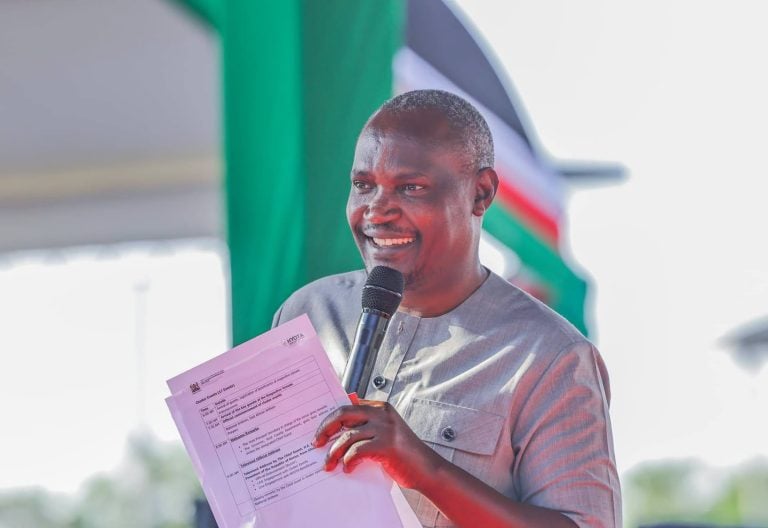
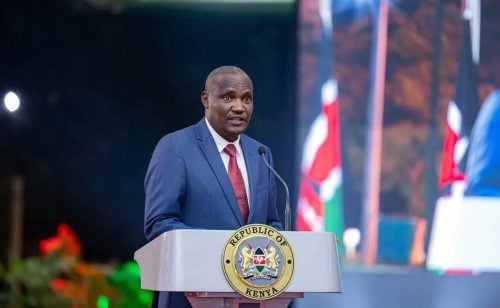
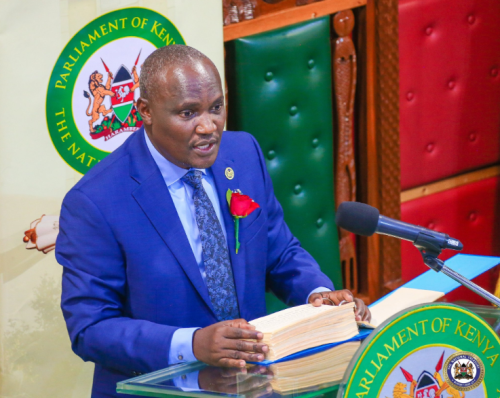
National Treasury Cabinet Secretary John Mbadi has said that the new Nairobi–Nakuru–Mau Summit Highway deal will help the government make a fiscal saving of Ksh76.2 billion.
The current public-private partnership agreement values the project at US$1.342 billion, equivalent to about Ksh173.5 billion based on June 2026 prices.
According to the statement obtained from the National Treasury website on Wednesday, July 15, 2026, the terminated concession had a comparable investment cost of US$1.93 billion, or approximately Ksh249.7 billion.
The difference amounts to US$588M, equivalent to Ksh76.2 billion.
You Might Also Like


The Treasury said the revised arrangement will also remove an annual government payment obligation estimated at Ksh23 billion under the previous agreement.
The Ksh76.2 billion represents a reduction in the comparable investment cost rather than money being paid directly into government accounts.
New highway deal removes Ksh23B annual payments
Under the terminated concession, the government would have made annual availability payments of approximately Ksh23 billion
The payments would have been adjusted according to inflation and changes in foreign exchange rates, potentially increasing the government’s financial obligations over the concession period.
The government would also have carried the demand and revenue risks. This meant taxpayers would remain exposed if toll collections or highway usage failed to generate the projected revenue.
Treasury estimated that the previous structure could have created a cumulative funding deficit of up to Ksh200 billion during the first 15 years.
“The reassessment undertaken by the Government established that the original project agreement no longer aligned with the fiscal objectives necessary to support sustainable infrastructure financing,” Mbadi said.
He attributed the review to global inflation, depreciation of the Kenya shilling, tightening fiscal space and rising public debt service obligations experienced between 2020 and 2022.
The government attempted to restructure the original concession but terminated it after the process failed to produce an affordable and fiscally sustainable commercial model.
Motorists to pay tolls under user-pay model
The revised Nairobi–Nakuru–Mau Summit Highway agreement adopts a user-pay toll model instead of relying on annual government availability payments.
Under the new structure, motorists using the upgraded highway will pay toll charges. The private investor will carry the demand and revenue risks associated with the project.
The Treasury said the government will not make the Ksh23 billion annual payments required under the terminated agreement.
The Kenya National Highways Authority received the revised unsolicited proposal before it underwent procedures prescribed under the Public-Private Partnerships Act. The current agreements were concluded in May and June 2026.
The government will also receive 60 per cent of revenues generated above the agreed 16 per cent equity internal rate of return threshold.
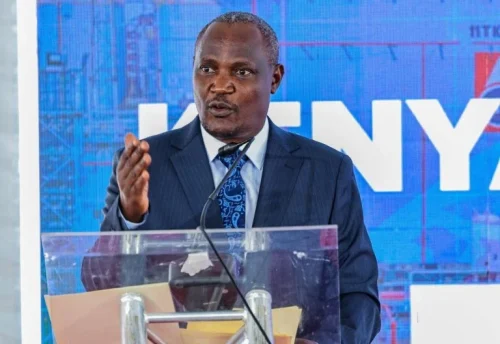
“The current Project Agreements strengthen the Government’s infrastructure financing policy through a commercial framework that transfers demand and revenue risk to the private sector, mobilises private financing, reduces long-term fiscal exposure, and preserves fiscal space,” the statement reads.
Treasury said the arrangement will allow private capital to finance the strategic highway while limiting pressure on public finances and protecting funding for other national development priorities.
The highway is touted to help reduce traffic headaches along the Nairobi-Nakuru Highway.
Author
Latest News




Advertisement
More on Business