Advertisement
FEWS NET: Why Western Kenya faces dangerous heatwave as rainfall deficits raise drought fears
Friday 17th July, 2026 11:50 PM|

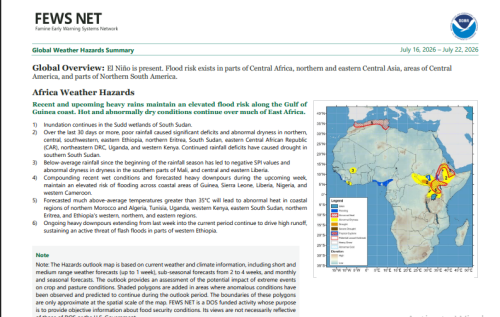
Western Kenya is facing a double weather threat as prolonged rainfall deficits combine with an approaching heatwave, raising concerns over drought, crop stress and water shortages, according to the latest Famine Early Warning Systems Network (FEWS NET) report.
The FEWS NET warns that western Kenya has experienced more than 30 days of below-normal rainfall, resulting in abnormal dryness. At the same time, temperatures exceeding 35 degrees Celsius are forecast during the coming week. The combination of persistent dry conditions and extreme heat could increase pressure on agriculture, livestock and household water supplies if the weather pattern continues.
Although the outlook does not predict a drought emergency, it highlights weather hazards that could affect crop and pasture conditions across western Kenya, making it an important early warning for farmers, county governments and disaster response agencies.
The warning comes as Kenya continues to experience increasingly erratic weather linked to climate variability, with prolonged dry spells and extreme temperatures becoming more frequent in many parts of the country.
Worsening heat and rainfall deficits
You Might Also Like
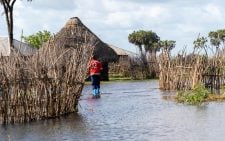

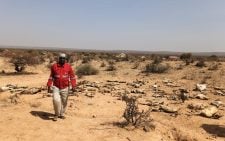
According to the latest Global Weather Hazards Summary, poor rainfall over the past month has caused significant moisture deficits across parts of East Africa, including western Kenya.
“Over the last 30 days or more, poor rainfall caused significant deficits and abnormal dryness in western Kenya and neighbouring countries,” the report warns.
It further warns that temperatures much above average, greater than 35°C, are expected across western Kenya during the July 16–22 outlook period.
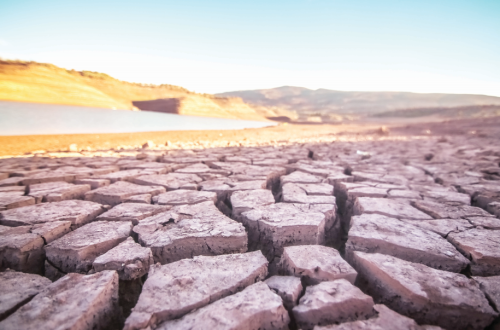
In its regional assessment, FEWS NET says abnormal dryness persists across East Africa, with severe rainfall deficits developing over the past month. Forecasts indicate that western Kenya will continue receiving below-normal rainfall while unusually high temperatures persist, increasing the risk of further drying of soils and vegetation.
The agency notes that its hazards outlook combines current weather observations with short- and medium-range forecasts to assess how extreme weather could affect crop and pasture conditions. While it is not a seasonal climate forecast or a direct food security assessment, it provides early warning information for governments and humanitarian agencies.
For farmers in counties such as Kakamega, Bungoma, Busia, Vihiga, Siaya, Kisumu and Homa Bay, continued rainfall shortages could reduce soil moisture needed for maize, beans and vegetable production during critical growing stages.
Health, agriculture and water supplies
The combination of prolonged dry weather and extreme heat presents multiple risks beyond agriculture. High temperatures can increase evaporation from rivers, dams and water pans, reducing water availability for households and livestock. Dry grazing fields may also limit pasture growth, forcing livestock keepers to travel longer distances in search of forage or spend more on commercial feeds.
Health experts also warn that prolonged heatwaves increase the risk of dehydration, heat exhaustion and heatstroke, particularly among older people, young children, outdoor workers and people with underlying health conditions.
The FEWS NET report places the current weather pattern within a broader regional context, noting that El Niño is present, while hot and abnormally dry conditions continue across much of East Africa.
Western Kenya has historically experienced alternating periods of heavy rainfall and prolonged dry spells, but climate scientists say rising global temperatures are increasing the likelihood of more frequent and intense weather extremes. These shifts pose growing challenges for rain-fed agriculture, which supports millions of livelihoods across the country.
The Kenya Meteorological Department (Kenya Met) and county governments are expected to continue monitoring rainfall and temperature trends as the season progresses. Farmers are encouraged to conserve soil moisture where possible, protect livestock from extreme heat and follow official weather advisories.
While the current FEWS NET outlook covers only July 16 to July 22, the coming weeks will be critical in determining whether western Kenya receives enough rainfall to reverse the current moisture deficits
If below-average rainfall and unusually hot conditions persist, the region could face increased drought risks, pressure on food production and heightened concerns over water security in the months ahead.
Author
Latest News




Advertisement
More on News