Advertisement
Inside Kenya’s illicit alcohol trade: Ksh120B in annual losses as MPs push crackdown
Thursday 30th April, 2026 07:30 AM|

Kenya is losing more than Ksh120 billion a year in tax revenue through the illegal trade of alcohol, according to members of Parliament, highlighting the significant economic and health burden of the illicit alcohol industry.
In a statement on their social media handles on Wednesday, April 29, 2026, the Parliament confirmed that during a meeting with the Alcoholic Beverages Association of Kenya (ABAK), the Assembly’s Public Petitions Committee was informed of the shocking revelations as it considered a public petition by Uasin Gishu Woman Representative Gladys Boss on the manufacture, sale, and use of illicit brews.
According to the Alcoholic Beverages Association of Kenya (ABAK) chairperson, Kui Kinyanjui, illicit alcohol represents about six per cent of the market in Kenya, giving the illegal players an unfair advantage over the licensed brewers by circumventing taxes and standards.
“We are calling for an immediate nationwide multi-agency crackdown involving the Kenya Revenue Authority, National Police Service, Kenya Bureau of Standards, and Anti-Counterfeit Authority, as well as national and county governments, to shut down unlicensed outlets and counterfeit operations,” Kinyanjui said.
You Might Also Like

She urged a nationwide crackdown by a multi-agency team led by the Kenya Revenue Authority, National Police Service, Kenya Bureau of Standards, Anti-Counterfeit Authority and national and county governments.
Kinyanjui also recommended the use of excise stamps and a digital track-and-trace system for all alcohol products and second-generation brews to better monitor the market and safeguard consumers.
Regarding enforcement, Anti-Counterfeit Authority CEO Dr Robi King’a said porous borders were one of the contributing factors to the illicit trade. He cited areas such as Busia, Malaba, Namanga and Moyale as hotbeds of ethanol and spirits smuggling.
Push for multi-agency committee
King’a also pointed to a lack of inter-agency collaboration, as there is no legal framework to govern collaborative operations. He recommended that Parliament consider passing a Multi-Agency Committee on Illicit Trade law or amending existing laws to establish cooperation between agencies such as the Directorate of Criminal Investigations and the Office of the Director of Public Prosecutions.
“I urge this Committee to consider enacting a Multi-Agency Committee on Illicit Trade Act, or amending the Anti-Counterfeit Act, to establish a permanent inter-agency body anchored in law,” King’a said.
Dagoretti North MP Beatrice Elachi urged the authority to provide details of the planned interventions in Uasin Gishu County, a focal point of the petition.
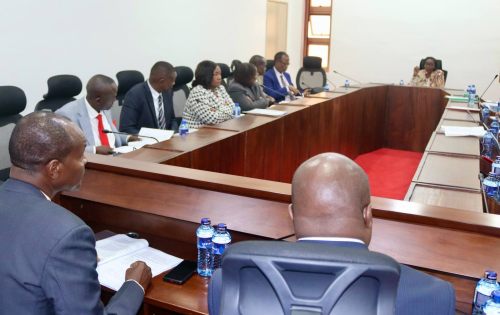
In response, King’a noted that the Authority has established offices in Eldoret and a rapid results initiative to curb illicit brews in the area in two months, in collaboration with local administrators and non-governmental actors.
There is also a heightened public awareness campaign recently undertaken in Nakuru, Bungoma and Kakamega counties, with plans to reach out to Uasin Gishu in the coming days.
Committee Chairperson Muchangi Karemba stressed that political will is essential to the ongoing battle against alcohol.
Meanwhile, the Kenya Association of Manufacturers noted that the excessive taxation and regulation of legal alcohol continue to support the illicit trade, as it makes the fakes more appealing to consumers.
The association recommended resuming digital tracking of local ethanol and setting up a permanent multi-agency task force under the State Department for Trade, which would report directly to the top echelons of government.
As Parliament debates the petition, all stakeholders agree that without concerted enforcement, regulatory changes and political will, illicit alcohol will continue to cost the nation money and lives.
Author
Latest News


Advertisement
More on News