Advertisement
Khalwale: New funding model triggers sharp university fee hikes
Thursday 24th July, 2025 04:58 PM|
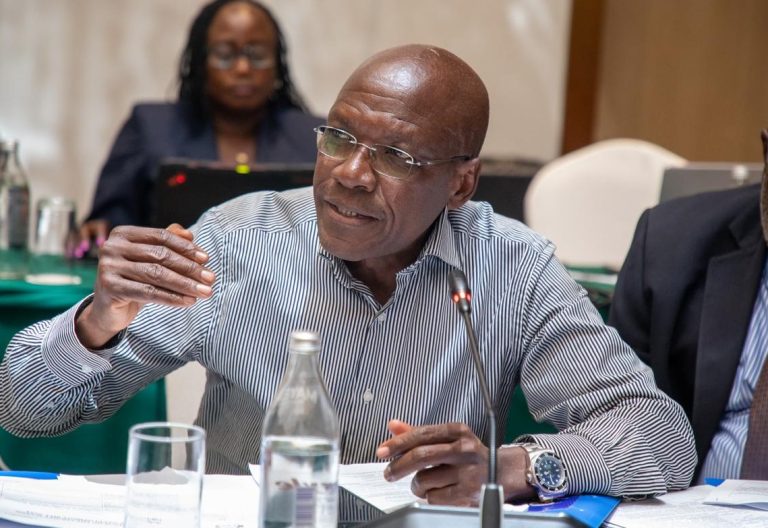
In a passionate address to the Senate on Thursday, July 24, 2025, Kakamega Senator Boni Khalwale expressed deep concern over the soaring cost of university education following the rollout of the new Higher Education Funding Model in 2023.
Speaking during the Fourth Session of the Thirteenth Parliament, Khalwale warned that the new model risks locking out deserving students and pushing the country away from merit-based success.
“We must critically reflect on this and ask ourselves: Do we want to become a nation where success is driven by shortcuts like wash-wash schemes or a country built by young professionals with quality education?” Khalwale posed to fellow lawmakers.
He attributed the rising costs to universities reacting to the funding overhaul, which replaced the Differentiated Unit Cost (DUC) system with a means-tested framework based on scholarships, loans, and household income contributions.
Drastic fee hikes across faculties
You Might Also Like

Khalwale cited sharp increases across major faculties, telling the House that fees in the Faculty of Engineering had risen by 138 per cent, Veterinary Medicine by 105 per cent, and the Faculty of Medicine by 81 per cent. He warned that these hikes were undermining the affordability of tertiary education.
“The net effect is that university education has become more expensive. While the previous model allowed parents to contribute a manageable amount, the current system, even with government support through the Means Testing Instrument, still leaves many students unable to meet the high costs,” he said.

The Means Testing Instrument (MTI), intended to assess students’ financial needs and distribute funds accordingly, has come under scrutiny for failing to cushion vulnerable learners. A 2024 study published in the Journal of African Economies showed a 20 per cent rise in university education costs, coinciding with a 15 per cent decline in enrolment among low-income students.
Committee urged to act
Khalwale called on the Senate Standing Committee on Education to investigate the impact of the funding model. “I would like to urge the Committee to go a step further and examine the impact of the new university funding model. When universities learnt that the model had been implemented, many responded by significantly increasing their fees,” he noted.
The senator further criticised the government’s decision to limit full support to students from the 2022 cohort onwards, arguing it undermines equity and access.
As the funding debate continues, Khalwale’s remarks have added urgency to the ongoing national conversation about education financing. With concerns mounting over Kenya’s future talent pipeline, many stakeholders now await the committee’s response and possible recommendations for reform.
Author
Latest News





Advertisement
More on News