Advertisement
South Africa protest leader says demonstrations target illegal migrants, not xenophobia claims
Saturday 04th July, 2026 10:18 PM|

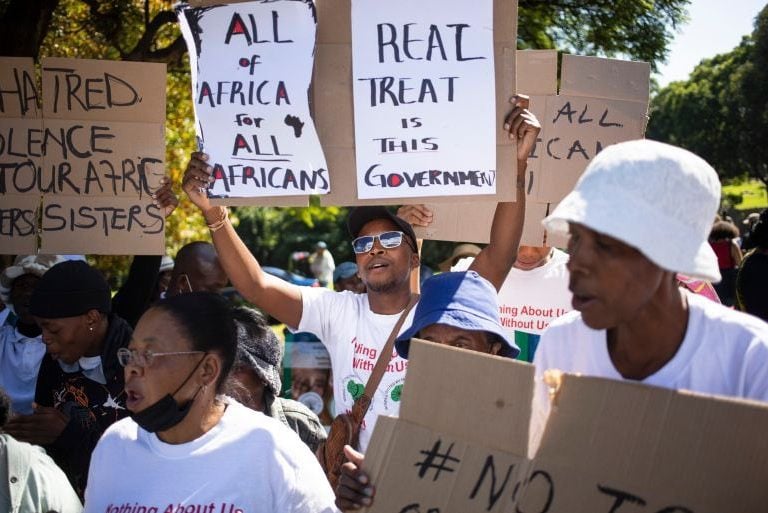
The leader of ongoing protests against illegal immigration in South Africa has rejected claims that the demonstrations are xenophobic, insisting the campaign is focused on undocumented migrants rather than foreign nationals living legally in the country.
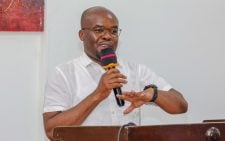
Speaking in an interview on a local TV station on Saturday, July 4, 2026, protest leader Ngizwe Mchunu said the movement had been wrongly portrayed as being driven by hatred of foreigners, arguing instead that protesters want immigration laws enforced.
“So, you’re saying this is not xenophobia, this is not Afrophobia. The protests were a response to illegal immigration and not to people from other African countries. There is nothing xenophobic. People should not politicise the peaceful protest against people who are not legal in the country,” Mchunu explained.
The demonstrations, which began in March 2025, have drawn widespread attention across Africa amid growing debate over migration, border security and the treatment of foreign nationals in South Africa.
You Might Also Like
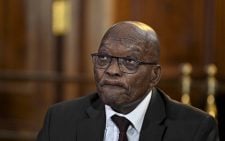
Mchunu said the current protests were inspired by earlier demonstrations in 2004 and 2015, which he believes were also misunderstood.
“In 2004, there was also a protest like this, and it ended up as being called xenophobia. Then, in 2015, there was another protest after statements made by the King of the Zulu people about illegal immigrants,” he said.
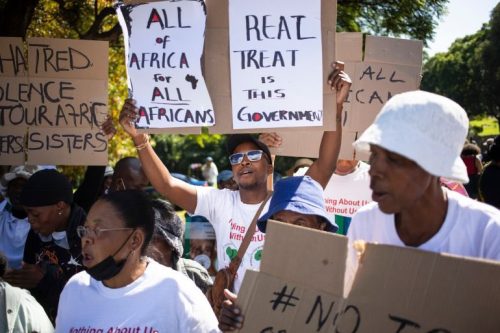
According to Mchunu, the current campaign started as a peaceful march against illegal immigration before gaining nationwide support.
“When Jacinda began the march in March 2025, I joined her, and we became the driving force that mobilised the people of South Africa to peacefully march against illegal immigrants,” he said.
He maintained that the movement does not oppose legal immigrants or diplomatic relations with other African countries.
“If there was xenophobia when the Kenyan President visited South Africa two weeks ago, there would have been protests against the visiting Head of State. There was nothing like that,” Mchunu said.
He also cited South African President Cyril Ramaphosa’s recent visit to the Democratic Republic of the Congo (DRC) as evidence that protesters were not opposed to Africans from other countries.
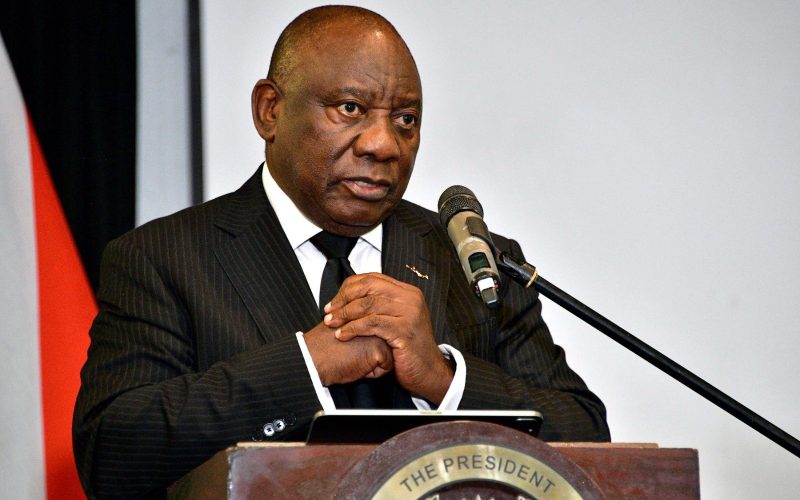
“Today, the South African president visited the DRC, and we don’t have a problem about that,” he added.
Instead, Mchunu argued that undocumented migrants who commit crimes should return to their home countries, obtain proper documentation and re-enter South Africa legally.
“Some of them are committing crime, so they may go back home and be documented so that we can have international relations in a peaceful way,” he said.
The protests have reignited a broader debate over illegal immigration, public safety and border management in South Africa, while also prompting concerns from rights groups about the potential impact on foreign nationals.
Although organisers insist the demonstrations are peaceful and aimed solely at undocumented migrants, critics have warned that anti-immigration rhetoric can fuel hostility toward foreigners regardless of their legal status.
As the protests continue, South Africa faces growing pressure to balance immigration enforcement with the protection of the rights and safety of all people living within its borders.
Author
Latest News




Advertisement
More on News