Advertisement
Inside AU, IGAD push back after Israel recognises Somaliland independence
Saturday 27th December, 2025 11:09 AM|
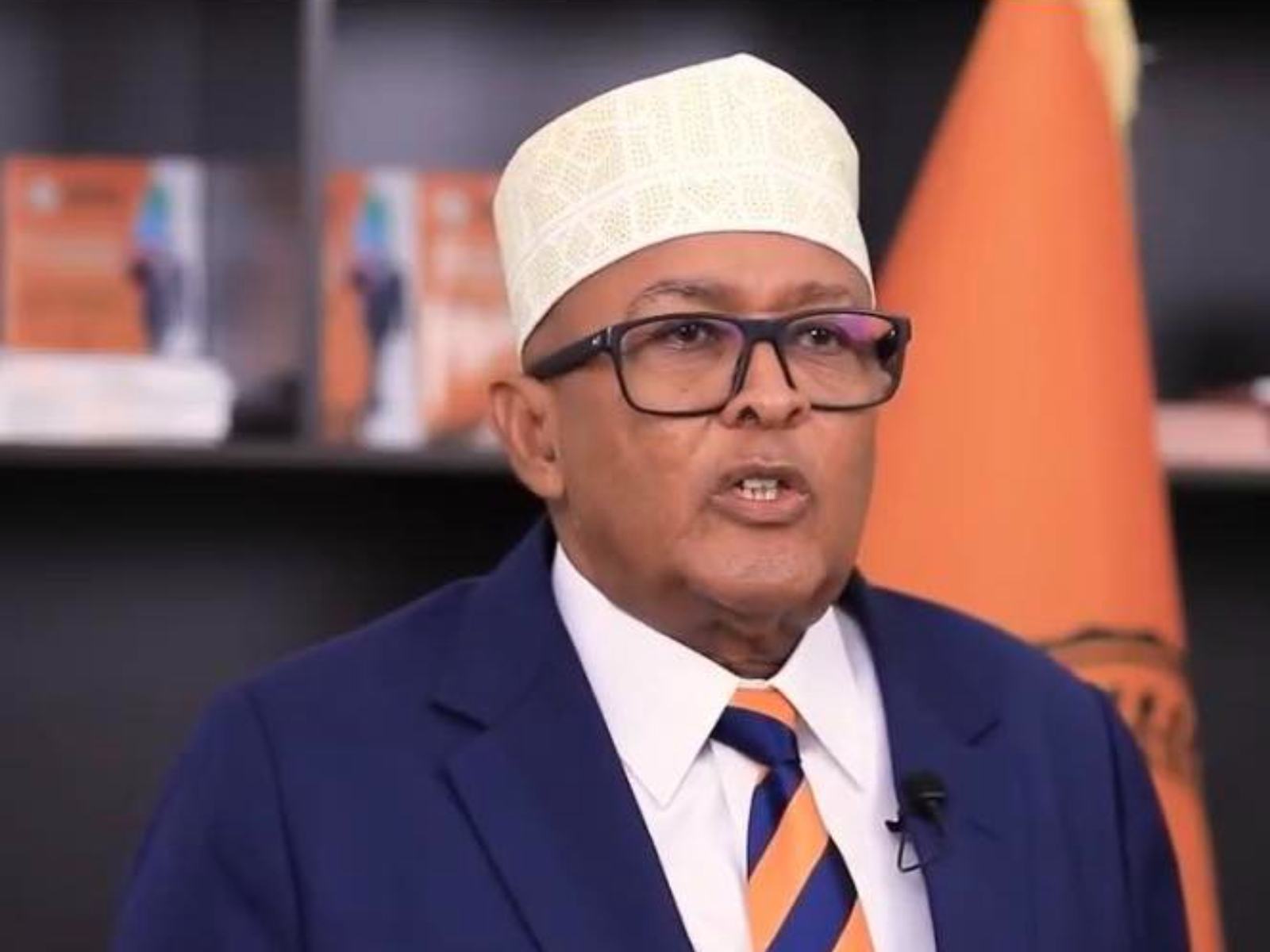
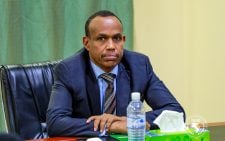
The Intergovernmental Authority on Development (IGAD) Secretariat has voiced its firm position following Israel’s recognition of Somaliland as an independent state, calling for respect for Somalia’s sovereignty while emphasising dialogue and regional stability.
In a statement on Saturday, December 27, 2025, the IGAD Secretariat reiterated that the Federal Republic of Somalia remains a sovereign member state whose unity and territorial integrity are fully recognised under international law.
“The Secretariat calls upon all international partners and stakeholders to uphold international law and support dialogue and processes that strengthen peace, stability, and cooperation in the region,” IGAD wrote on X.
The bloc also reaffirmed its solidarity with the Somali government and people, underlining its commitment to inclusive political processes and regional cooperation to promote lasting peace and prosperity in East Africa.
You Might Also Like

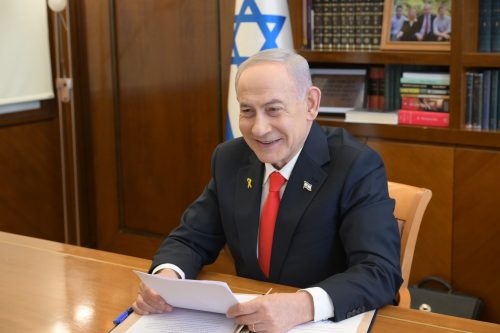
Israel’s recognition of Somaliland, announced on December 26, 2025, by Prime Minister Benjamin Netanyahu, has dramatically shifted diplomatic dynamics in the Horn of Africa.
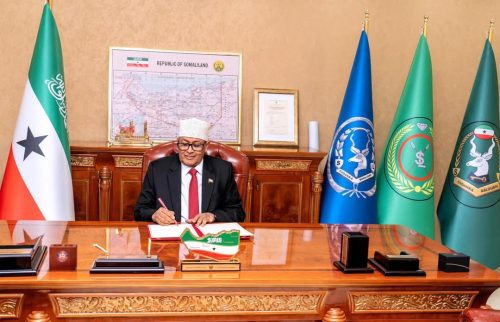
Netanyahu formally recognised the breakaway region, signing a joint declaration with Somaliland officials and praising President Abdirahman Mohamed Abdallah for his leadership and dedication to promoting stability.
“I announced today the official recognition of the Republic of Somaliland as an independent and sovereign state,” Netanyahu said in a statement on X, Israel’s social media platform.
The Israeli leader also invited the Somaliland president to pay an official visit to Israel, describing the territory as a “stable and responsible partner” in a volatile region.
The move marks the first formal recognition of Somaliland, which declared independence from Somalia in 1991 but has remained unrecognised by the international community.
While the region has maintained relative stability and democratic governance, recognition by a foreign power has triggered immediate concern among African regional institutions.
AU rejects Somaliland recognition
The African Union Commission (AUC) quickly rejected Israel’s recognition of Somaliland and reiterated its longstanding position that Somaliland remains an integral part of Somalia.
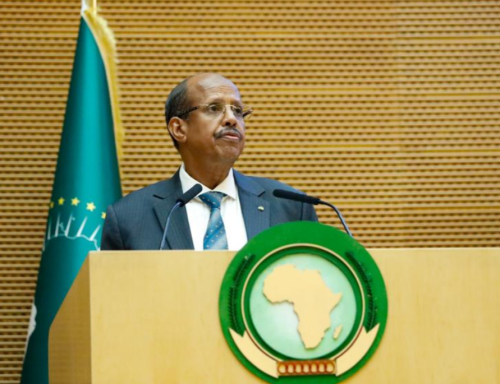
In a statement issued on December 26, 2025, AUC Chairperson Mahmoud Ali Youssouf warned that unilateral recognition could set a dangerous precedent.
“The Chairperson of the Commission unequivocally reaffirms the longstanding and consistent position of the African Union, in particular the respect for the intangibility of borders inherited at independence,” Youssouf said.
The AU emphasised that any move to recognise Somaliland undermines Somalia’s unity, sovereignty, and territorial integrity.
“Any attempt to undermine the unity, sovereignty, and territorial integrity of Somalia runs counter to the fundamental principles of the African Union and risks setting a dangerous precedent with far-reaching implications for peace and stability across the continent,” the commission wrote in an X statement.
The AU’s reaction reflects Africa’s deep commitment to preserving borders established at independence, a principle rooted in the 1964 Organisation of African Unity decision, which continues to guide continental diplomacy.
IGAD-AU explainer
The contrasting positions of IGAD and the AU reveal the complex dynamics of African regional diplomacy. IGAD has emphasised dialogue, legal processes, and regional cooperation, calling for measured engagement that supports peace and stability.
In contrast, the AU has taken a firm stand against any unilateral recognition, warning that it could embolden secessionist movements and undermine the continent’s long-standing commitment to respect inherited borders.
The AU’s rejection underscores Africa’s insistence on collective decision-making when it comes to sensitive territorial issues.
By opposing Israel’s recognition, the AU signals that attempts to bypass regional consensus will not be accepted lightly, reinforcing the principle that the unity and sovereignty of member states remain non-negotiable.
Meanwhile, IGAD’s statement highlights the importance of balancing support for Somalia with dialogue that avoids escalating tensions.
The episode exposes the delicate balancing act for African institutions: protecting Somalia’s territorial integrity while navigating the ripple effects of external diplomatic moves.
It demonstrates that, in the Horn of Africa, international endorsements can spark friction, and that regional powers remain vigilant in defending both legal principles and continental stability.
Author
Latest News








Advertisement
More on News