Advertisement
How anti-fuel protests became Kenya’s deadliest police operation of 2026
Sunday 07th June, 2026 12:50 AM|

Kenya’s anti-fuel protests in May 2026 have emerged as the deadliest police operation of the year, after data revealed that 21 people were killed during demonstrations in a matter of days, most of them during two intense days of nationwide unrest.
According to figures compiled by the Missing Voices Coalition, police killings in Kenya surged sharply in May, turning what began as economic protests over rising fuel prices into the most lethal month for law enforcement operations so far in 2026.
Between January and May, a total of 49 people were killed by police across the country. However, nearly half of those deaths, 24 in total, were recorded in May alone, marking a dramatic escalation in the use of force during a period of widespread public demonstrations and economic discontent.
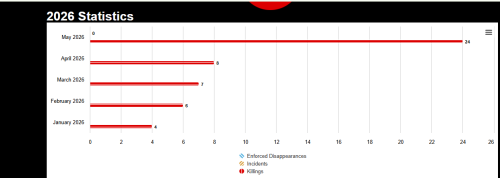
“The statistics suggest that crowd-control operations have become the leading source of police-related fatalities in Kenya this year,” the Missing Voices Coalition noted in its analysis.
You Might Also Like

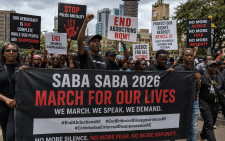

The data shows that 21 of the 24 deaths recorded in May occurred during police operations linked to protests, with 19 people killed during anti-fuel-hike demonstrations held on May 18 and 19.
The remaining fatalities included two deaths during earlier protests by boda boda riders demonstrating against claimed police harassment.
The concentration of fatalities within such a short timeframe has raised urgent questions about how routine crowd-control operations escalated into the deadliest police intervention of the year.
2 days that defined a deadly month
The anti-fuel protests on May 18 and 19, 2026, stand out as a turning point. In just 48 hours, 19 people lost their lives during confrontations between demonstrators and police across multiple counties.
The protests, which spread rapidly across urban and peri-urban areas, were triggered by rising fuel prices and broader economic frustrations.
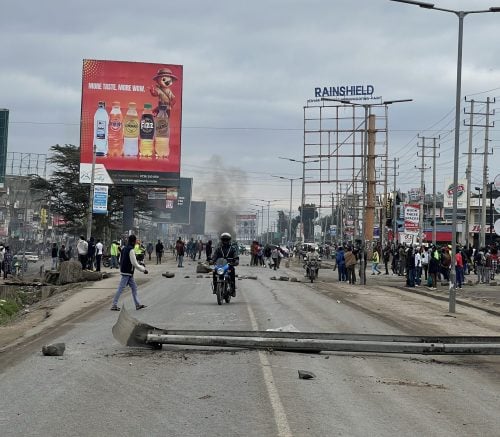
While demonstrations were reported in several regions, the police response has now come under scrutiny due to the unusually high number of fatalities.
The coalition data indicates that these incidents alone account for the majority of police-related deaths recorded in May, making the anti-fuel protests the single deadliest protest event of 2026 so far.
Moreover, the human rights observers argue that the scale of fatalities reflects deeper structural challenges in how crowd-control operations are conducted.
A key concern raised in the report is the pattern of escalating force during demonstrations, especially in densely populated areas where protests were most intense.
This statement highlights a shift in police-related deaths, where protest management, rather than crime response, is now emerging as the primary context in which fatalities occur.
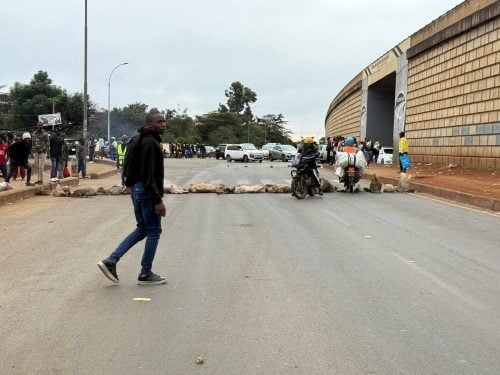
a national pattern, not isolated incidents
While the May protests were the most deadly, the broader data points to a persistent trend. Police killings had already been rising steadily from January, with four deaths recorded in January, six in February, six in March, and nine in April.
However, May’s sharp spike disrupted this gradual increase, suggesting a breakdown in escalation control mechanisms during mass protests.
Of the 24 deaths recorded in May, 21 were linked directly to demonstrations, reinforcing concerns that public order policing may be driving a disproportionate share of fatalities compared to other law enforcement operations.
The scale and speed of the deaths have prompted a broader investigative question: how did routine crowd-control operations become deadlier than crime-fighting operations in Kenya in 2026?
Security experts and human rights advocates argue that the answer lies in a combination of factors, including protest intensity, policing strategies, and command decisions during rapidly evolving demonstrations.
The Missing Voices Coalition has also called for urgent reforms in public order policing, warning that the current trajectory risks further loss of life if not addressed.
Author
Latest News








Advertisement
More on News