Advertisement
CS Kagwe vows tea sector overhaul to boost farmer bonuses to Ksh100/kg
Thursday 04th December, 2025 01:12 AM|

Agriculture and Livestock Development Cabinet Secretary Mutahi Kagwe, on Wednesday, December 3, 2025, appeared before the National Assembly to respond to questions regarding tea bonuses and reforms in the sector.
The session followed a query by Nominated Member of Parliament (MP) Dorothy Ikiara, who asked about the criteria used to determine annual tea bonuses and the measures being taken to ensure fair and uniform payments to all tea farmers.
Tea auction price
Kagwe explained that the final tea bonus, also called the “second payment”, is calculated as the balance of total sales minus the cost of production.
This payment is influenced by the auction price, the exchange rate to the US dollar, and production costs.
You Might Also Like


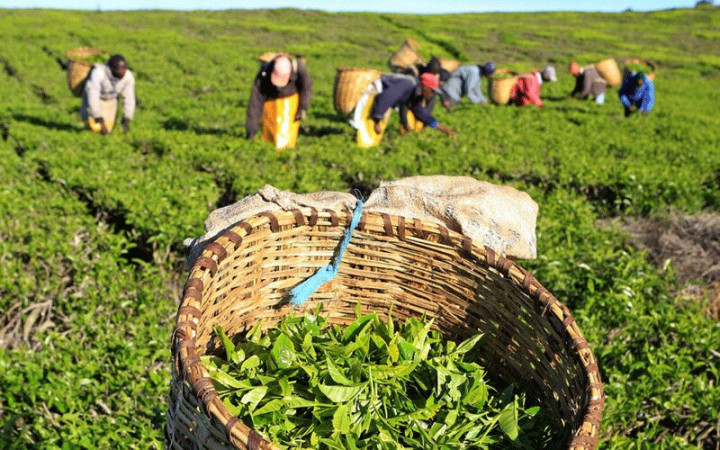
He disclosed that in the Financial Year 2024/25, average payments to farmers dropped to Ksh56 per kilogram of green leaf, a 12.5% decline from the previous year.
Farmers in the West of Rift received the lowest payouts, averaging Ksh38, due to lower prices and higher production costs.
Kagwe’s reform agenda
To address these disparities, CS Kagwe unveiled a comprehensive reform agenda under the Bottom-Up Economic Transformation initiative.
Key measures include raising average payments to Ksh100 per kilogram by 2027, finalising national green leaf quality guidelines to bridge price differences between tea blocks, establishing a quality analysis and tea tasting laboratory in Mombasa for objective valuations, removing the reserve price in September 2024 to address the quality-price mismatch and reduce unsold stock, and reviewing the second payment model, with plans to move from annual to quarterly payments to ease farmer liquidity challenges.
CS Kagwe also provided a legislative timeline, noting that the finalisation of the Tea Industry Regulations and the review of the second payment model are expected between October 2025 and June 2026.
He emphasised the government’s commitment to transparency, fairness, and increasing farmer incomes, stating that these reforms will ensure a sustainable and profitable tea sector for all smallholders across the country.
Author
Mustafa Juma
View all posts by Mustafa JumaLatest News








Advertisement
More on News