Advertisement
Africa must use technology to tackle climate, build resilience
Friday 18th July, 2025 05:20 AM|

African countries must harness digital technologies, artificial intelligence (AI), and early warning systems to drive environmental sustainability and build climate resilience.
This call to action was made during the official opening of the 20th African Ministerial Conference on the Environment (AMCEN 20), where leaders and experts stressed the urgency of integrating innovation into national climate and environmental strategies.
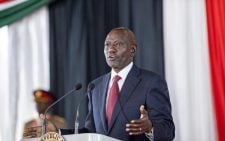
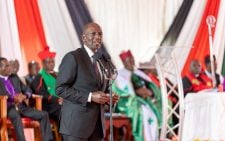
“Without urgent and increased action, ecosystems will become less resilient, and the vital services they provide will be severely compromised, aggravating water scarcity, food shortages, disease outbreaks, and extreme weather events,” said Musalia Mudavadi, Kenya’s Prime Cabinet Secretary and Cabinet Secretary for Foreign and Diaspora Affairs of the Republic of Kenya.
According to him, as climate threats intensify across the continent, leveraging technology is a critical step toward timely response, improved resource management, and sustainable development.
You Might Also Like


Apart from that, countries must cut greenhouse gas emissions to limit global warming. They must conserve at least 30 per cent of lands, inland waters, and oceans worldwide to curb biodiversity loss. Equally important is the need to swiftly conclude an ambitious global treaty on plastics and finalise a protocol on drought management to strengthen resilience and safeguard ecosystems.
“The world must do more to halt temperature rise and adapt to its negative consequences on communities and ecosystems. Business-as-usual will intensify climate change, damage critical habitats and ecosystems as well as increase illnesses and deaths,” he added.
Plastic problem
The UN estimates that about one million species face the risk of extinction. This may become a reality if the world fails to mitigate unsustainable use of land, water, energy, as well as to meet the 2030 biodiversity conservation targets.
Pollution is intensifying. According to UNEP about 7 billion metric tonnes of plastic waste is already circulating in the environment. Yet the world continues to generate some 430 million metric tonnes of plastics each year.
“The frequency and magnitude of these challenges are undermining efforts at poverty alleviation and achievement of sustainable development. Fortunately, we have the ability to turn these challenges into opportunities, and to restore hope in the face of despair. We must positively disrupt these worrying trends to safeguard human health and wellbeing and avoid ecosystems collapse,” Mudavadi noted.
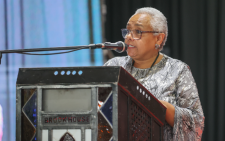
Speaking at the same event, Cabinet Secretary for Environment, Climate Change and Forestry Dr Deborah Barasa, emphasised that geopolitical shifts—ranging from economic realignments to intensifying resource competition—are reshaping the global landscape. In this evolving context, she noted, Africa must assert its rightful place not only as the custodian of critical ecosystems but also as a strategic actor in shaping global environmental policy.
With the African Union now a full member of the G20 and the continent pushing for reforms in multilateral systems, AMCEN must serve as a beacon of coherence, ambition, and decisive action.
In this regard, she underscored the importance of strengthening synergies across multilateral environmental agreements, particularly the Rio Conventions on climate change, biodiversity, and desertification. Fragmented approaches, she warned, will not serve the continent.
“By integrating efforts through joint programming, harmonised reporting, and shared indicators, countries can maximise impact, reduce duplication, and better support national implementation aligned with both the Sustainable Development Goals (SDGs) and Africa’s Agenda 2063,” said Barasa.
Held under the theme ‘Four Decades of Environmental Action in Africa: Reflecting on the Past and Imagining the Future’, AMCEN provides a critical moment for African leaders to reflect on past achievements, assess current challenges, and strategise future responses to the continent’s environmental priorities.
This landmark session has drawn wide participation, with 35 ministers of environment and representatives from 53 African countries in attendance. Also present are senior officials from the African Union Commission, United Nations agencies, international organisations, and other key stakeholders committed to advancing sustainable development and climate resilience in Africa.
Author
Milliam Murigi
View all posts by Milliam MurigiLatest News






Advertisement
More on News