Advertisement
Simple tips to help you survive this January after heavy festive season spending
Monday 05th January, 2026 10:51 AM|

January is here, the month after all the holiday splurges. Pockets are empty despite the promise to mull over some financial habits, and the festive joy feels like a distant memory.
It is the month that makes you think twice about past choices. Days feel longer, and the start of the year already seems tough.
Bills, school fees, and rent start knocking at the door. No worries, this is just the spirit of Njaanuary, the month of hunger.
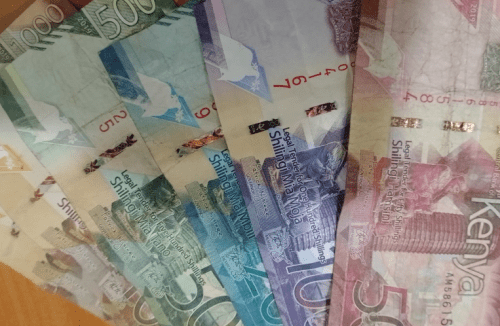
Cut down on your bills
Look for a way to cut down your daily expenses. If you live close to your workplace, walking to work is a great alternative to save money on commuting costs.
You Might Also Like



If the office is too far, consider using public means of transport as they are cheaper than driving your car. Get cheaper monthly tariffs for calls and texts instead of buying airtime daily.
Also, try carrying food to work instead of going out for lunch at restaurants.
Prioritise your spending
Spend on the most important things and allocate your money appropriately. You need to suspend luxury and focus on the basic things. Also, when going out shopping, try to compare prices.
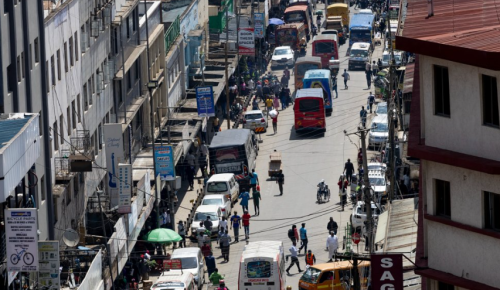
Sell what you no longer use
Looking around your house, you won’t miss two or three things you no longer use. Some things you can set aside to resell include clothes, shoes, bags, and chairs, among others.
Someone else is dying to have those products, so sell them. You can sell them online via platforms such as Jiji or Facebook marketplaces or in black markets. Use the money to sort out other things in your life, like bills.
Track your loose change
Many people underestimate the value of the coins lying around their homes. Quarters, dimes, nickels, and pennies might seem small individually, but when gathered together, they can add up to a surprising amount.

Start by hunting around your house, check under couch cushions, in drawers, in your car, or even in old purses and backpacks.
Do not forget that those coins in shopping outlets or at checkout counters can also be collected instead of tossed or left behind. Over time, consistently saving your loose change can make a noticeable difference.
Once you have gathered a decent amount, convert the coins into cash, either at a coin machine, bank, or by rolling them yourself.
This simple habit can create a small but meaningful emergency fund.
Even a few dollars saved each week could add up to hundreds over a year, giving you extra security for unexpected expenses like medical bills, car repairs, or urgent household needs.
Author
Latest News








Advertisement
More on Lifestyle