How smart home devices are transforming daily wellness routines
By Kenneth Mwenda, November 4, 2025In recent years, smart home devices have moved beyond convenience and entertainment.
Today, they are becoming essential tools for improving wellness, helping people sleep better, stay fit, and manage their mental health. From smart lights to connected fitness equipment, technology is shaping how we take care of ourselves every day.
One of the most noticeable impacts of smart home devices is on sleep. Devices like smart lights and smart thermostats create an environment that encourages rest. Smart lights can gradually dim in the evening, signalling the body to prepare for sleep, while a smart thermostat maintains an optimal bedroom temperature.
Some devices, such as smart mattresses or sleep trackers, monitor sleep patterns and offer insights to improve rest. Users receive data on how long they slept, the quality of sleep, and even suggestions on when to go to bed for maximum rest. For people struggling with irregular sleep, these devices can make a tangible difference.
Fitness is another area where smart technology plays a vital role. Smart watches and fitness trackers have grown in popularity because they provide real-time information on physical activity.
These devices track steps, heart rate, calories burned, and even stress levels. Some smart home gyms connect to apps that offer guided workouts and track progress over time.
Users can compete with themselves or others, adding motivation to their routines. The convenience of having personal health data at your fingertips encourages people to stay active and make healthier choices.
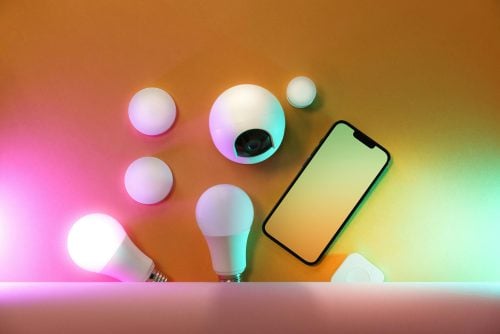
Smart homes boost wellness
Mental health also benefits from smart home technology. Devices such as smart speakers, meditation apps, and mood lighting systems can help reduce stress and anxiety. Smart speakers can play guided meditation or calming music at the touch of a button.
Mood lighting, which changes colour and intensity, can improve focus or create a relaxing atmosphere. For those who struggle with daily stress, these small but consistent interventions help maintain a sense of balance and calm.
Beyond individual devices, integration is key to maximising wellness benefits. Smart home systems can connect lights, speakers, thermostats, and other devices to work in sync.
For example, in the morning, a smart system can gradually brighten the bedroom, play gentle music, and adjust the temperature to wake you naturally. In the evening, the system can dim lights, play relaxing sounds, and reduce notifications from other devices, creating an environment that supports rest and recovery.
Privacy concerns and costs remain obstacles for some users, but many find that the health benefits outweigh these challenges. The convenience of having data-driven insights about your body and mind in one place encourages healthier habits. Technology is no longer just about automation; it now actively supports wellbeing.