Advertisement
Why Ruto and Gachagua’s feud shouldn’t be taken seriously
Saturday 02nd August, 2025 10:11 AM|
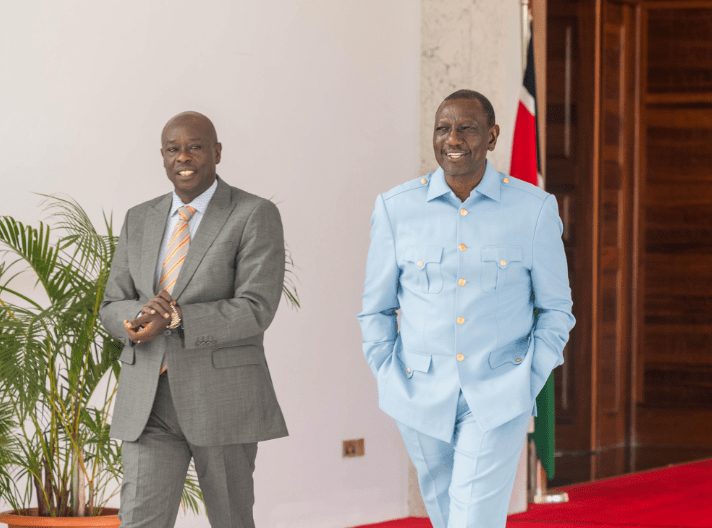
It will be a fallacy for anyone to take the feud between President William Ruto and his former deputy Rigathi Gachagua seriously or to think it will last forever.
If one holds such a mentality, it simply shows a lack of understanding of Kenya’s political landscape. Anyone who has studied Kenyan politics closely knows that enmity in politics is never permanent.
The past offers countless lessons, and those who fail to learn from it often misjudge the present. What remains constant is that political differences are shed off when interests align, and the same will happen with Ruto and Gachagua.
Currently, the war between the two seems to be escalating day by day. Gachagua has seized every chance to hit back at his former boss, often coming out to expose him. Almost every time Ruto makes a statement, Gachagua crafts his own response, while Ruto at times lets his loyalists handle him on his behalf. The conflict became more pronounced immediately after the Senate sealed Gachagua’s fate by upholding the National Assembly’s decision to impeach him.
You Might Also Like
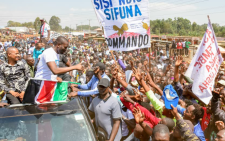

Before his impeachment, Gachagua appeared cautious when criticising Ruto, allowing his allies to do most of the talking. However, once he had nothing to lose, he started attacking the president directly and unapologetically. His tone was that of a wounded wolf, and anyone observing the situation at the time would have thought the relationship was irreparable.
Raila-Moi feud
But this is Kenyan politics. Enmity is not personal; it is a matter of interests. When interests converge, former foes become friends. This situation is not unique. History has shown us leaders who appeared sworn enemies only to work together later. Former Prime Minister Raila Odinga, for instance, was at loggerheads with former President Daniel Moi, a conflict that led to Raila’s imprisonment for over eight years. He endured torture and missed significant family moments, including his mother’s death.
Yet, years after his release, Raila entered into an agreement with Moi, the very man behind his tribulations, and even became KANU’s Secretary General. If Raila could work with Moi after such a painful past, Gachagua’s battles with Ruto pale in comparison.
It is also important to note that the disagreements between Ruto and Gachagua are political rather than personal. Even after their bitter fallout, Gachagua has on several occasions referred to Ruto as rafiki yangu Ruto.
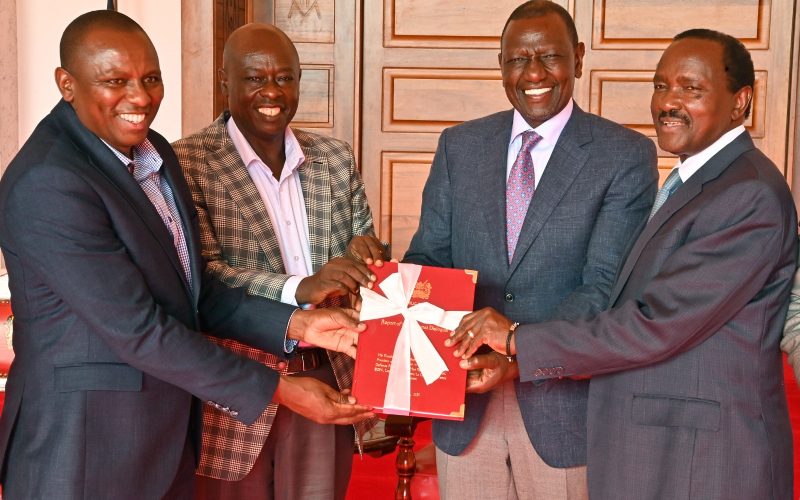
This is not a phrase to be taken lightly; it suggests that the personal relationship between the two is intact. Kenyan politicians are like cousins—one moment they drift apart, even insult each other, and the next they find common ground and work together.
Caution
The current political class often admits that politics is not enmity. It is the supporters who usually escalate conflicts, only to be left confused when the leaders reconcile. The same will apply to Ruto and Gachagua.
For now, they may seem like they will never forgive each other, but a time will come when they will shed off their differences and work together as if nothing ever happened. In Kenyan politics, it is never about permanent enemies but about shifting alliances and the alignment of interests.
Author
Latest News




Advertisement
More on Insights