Advertisement
What Ruto’s e-Citizen royalties directive means for musicians
Sunday 17th August, 2025 06:45 AM|

President William Ruto’s directive requiring all musician royalties in Kenya to be channeled through the government’s e-Citizen platform, announced on August 16, 2025, during the 97th Kenya Music Festival State Concert in Nyeri, has ignited debate across the creative sector.
Framed as a move to protect artists from exploitation, streamline royalty collection, and ensure fairness, the directive is being hailed as potentially transformative. Yet, its effectiveness will depend on the government’s ability to address deep-seated challenges in the country’s music industry.
Promise of fairer system
For years, Kenyan musicians have decried exploitation by middlemen and Collective Management Organisations (CMOs) such as the Music Copyright Society of Kenya (MCSK) and the Kenya Association of Music Producers (KAMP).
Many artists have received little or nothing for their works, even when their songs dominate radio, television, and digital platforms. By directing the Kenya Copyright Board (KECOBO) to integrate a digital royalties system into e-Citizen and mandating a minimum of 70 percent payout to artists, Ruto is addressing one of the industry’s loudest grievances.
You Might Also Like



The choice of e-Citizen is deliberate. Since its launch in 2014, the platform has become a central point for government services ranging from passport applications to business registration. Integrating royalty payments into this existing infrastructure could introduce transparency and efficiency. For rural-based artists and those outside mainstream networks, it offers a lifeline, providing direct access to earnings without relying on opaque intermediaries.
The directive also includes a stern warning to CMOs, which face the risk of losing licences if they fail to comply. This sends a strong signal that the era of unchecked mismanagement may be coming to an end. Artists, who have long accused CMOs of opacity and underreporting collections, view this as overdue recognition of their struggles.
Challenges ahead
While the initiative is bold, its implementation will not be without hurdles. The first challenge lies in building a system capable of capturing and tracking music consumption across diverse platforms—radio, television, streaming services, live performances, and even informal spaces like matatus. KECOBO must design a robust system that ensures accurate attribution and timely disbursement, no small task in a country where piracy remains rampant.
Equally critical is ensuring that the platform is user-friendly. Many musicians, particularly in rural areas, may lack digital literacy or reliable internet access. Without adequate training and support, the very artists the system is meant to protect could end up excluded. The government must therefore prioritise capacity building alongside the rollout.
Another challenge lies in managing the relationship with private digital platforms such as Spotify, Apple Music, and Boomplay. These services already have royalty payment structures in place, raising questions about how they will integrate with e-Citizen. Harmonising international and local systems will be key to avoiding confusion, double taxation, or administrative conflicts that could hurt artists.
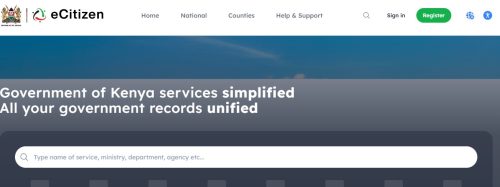
Bureaucracy is another concern. While e-Citizen has streamlined many government services, it is not immune to inefficiencies, downtimes, or corruption risks. Artists, already sceptical of institutions, may remain wary unless the government ensures absolute transparency. Publishing regular reports on collections and disbursements will be essential in building confidence.
Investing in creative economy
Beyond royalties, the government has allocated Sh100 million from the black tape levy to support the creative sector. If managed well, these funds could support training, music production, marketing, and international promotion. Such interventions are crucial for enabling Kenyan artists to compete globally.
Infrastructure investments, including rehabilitation of the Kenya National Theatre and Bomas of Kenya, and calls for counties to establish creative hubs also align with a long-term vision of nurturing talent and expanding opportunities.
Yet, these measures will only bear fruit if the government remains committed to inclusivity and accountability. The history of the music industry is filled with promises that never materialised due to poor implementation or elite capture. Artists must stay engaged in the process, demanding clear frameworks on how funds are used and ensuring that grassroots musicians also benefit.
This directive comes at a pivotal moment for Kenya’s music industry. Local genres such as Gengetone, Afro-fusion, and contemporary gospel are gaining traction internationally. Artists like Sauti Sol, Nyashinski, and Femi One have demonstrated that Kenyan music can resonate beyond borders. Addressing royalty exploitation and strengthening industry structures could unleash even greater potential, creating jobs, attracting investment, and boosting cultural tourism.
President Ruto’s e-Citizen royalties directive represents a bold attempt to reset Kenya’s music industry. By prioritising transparency, cutting out exploitative intermediaries, and mandating higher payouts, the government has responded to the frustrations of generations of musicians. But this promise will only be realised if systemic challenges—piracy, weak enforcement, poor digital literacy, and potential bureaucratic hurdles—are squarely addressed.
Kenya’s musicians have reason to be hopeful, but they must remain vigilant. Active engagement, advocacy, and oversight will be necessary to ensure that the directive delivers on its promise.
If implemented effectively, it could position Kenya as a leader in protecting creative rights in Africa, setting a model for other nations. For now, the industry waits to see whether this ambitious vision will translate into fairer pay and a more dignified livelihood for the artists who carry the nation’s cultural heartbeat.
Author
Latest News








Advertisement
More on Insights