Advertisement
Nairobi’s disaster preparedness remains dangerously weak as Gikomba fires expose systemic failure
Sunday 21st June, 2026 01:20 PM|

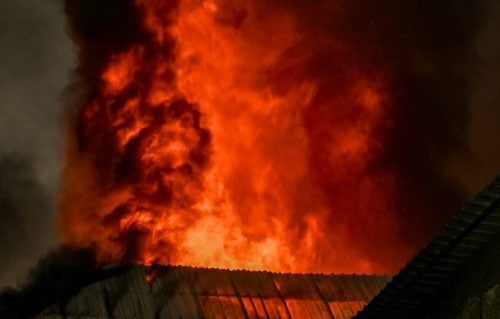
The latest fire outbreak at Gikomba Market on Sunday, June 21, 2026, has once again exposed deep cracks in Nairobi’s disaster preparedness systems, raising fresh concerns over whether the city is learning anything from the growing number of recurring fire tragedies that continue to destroy livelihoods and public property.
The inferno, which broke out in the early morning hours at one of Nairobi’s busiest trading centres, left traders counting huge losses as emergency teams battled to contain the rapidly spreading blaze. Yet beyond the destruction witnessed at Gikomba, the incident has reignited a much bigger question: how prepared is Nairobi City when disaster strikes?
Gikomba fires have become a recurring pattern
This is far from the first time Gikomba Market has gone up in flames.
Over the years, repeated fire incidents at the market have left traders suffering losses worth millions of shillings, with investigations often launched but little visible action taken afterwards to prevent similar tragedies from recurring.
You Might Also Like


Every new fire seems to follow the same cycle: destruction, investigations, promises, and eventually silence until another disaster strikes again.
Beyond Gikomba, Nairobi faces wider safety concerns
The problem extends beyond markets alone.
Recent fire incidents in schools, including reports of a dormitory fire at Ofafa Jericho High School, continue to raise concerns about safety standards in institutions meant to protect vulnerable populations.
The worrying trend suggests Nairobi is still reacting to disasters rather than actively preventing them.
Prevention, not reaction, remains the missing link
True disaster preparedness is not measured by how quickly firefighters arrive after a fire starts.
It depends on prevention systems already in place, regular safety inspections, proper urban planning, functioning fire hydrants, strict enforcement of electrical standards, emergency drills, and implementation of recommendations from previous investigations.
The repeated fires across Nairobi point to a troubling reality.
Until authorities stop treating disasters as isolated incidents and begin acting on known risks before tragedy occurs, Nairobi will continue paying the cost of preventable emergencies, exposing not just a preparedness gap but also a serious failure of accountability.
Author
Latest News








Advertisement
More on Insights