Advertisement
Trump leaves US ambassador to Kenya post vacant one year into his 2nd term
Tuesday 10th February, 2026 12:10 PM|

More than a year into President Donald Trump’s second term, the United States (US) has yet to appoint a new ambassador to Kenya, one of its most important partners in East Africa.
As of February 2026, the post remains vacant, adding to growing uncertainty around the US-Africa relations at a time of shrinking aid, tighter visa rules, and a broader diplomatic pullback by Washington.
The U.S. Embassy in Nairobi is currently led by Susan M. Burns, who has served as Chargé d’Affaires since August 25, 2025. In this acting role, Burns oversees key areas such as trade, security cooperation, health programs, and political engagement.
However, she does not carry the full authority or symbolic weight of a Senate-confirmed ambassador.
You Might Also Like
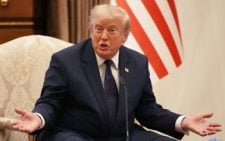
For example, protocol limits such as the absence of an official ambassadorial flag on vehicles underscore the interim nature of her position.
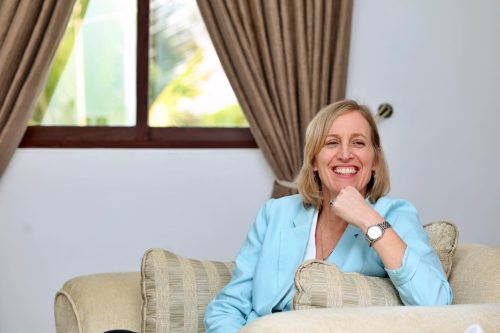
The vacancy dates back to November 2024, when Meg Whitman resigned shortly after Trump won re-election.
While ambassadors serve at the pleasure of the president and often rotate after three or four years, the prolonged delay in naming a successor has drawn attention in diplomatic circles.
The absence is more than a routine administrative lag, especially given Kenya’s role as a security partner, trade hub, and diplomatic anchor in the Horn of Africa.
The situation in Nairobi reflects a wider pattern. Since returning to the office, Trump has recalled nearly 30 ambassadors appointed under the previous administration. Across Africa, 35 of the 52 U.S. missions currently lack Senate-confirmed ambassadors.
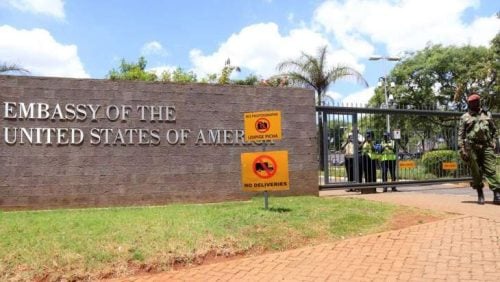
US-Africa diplomatic anxiety
So far, Trump has nominated envoys to only four African countries: Morocco, Tunisia, Namibia, and South Africa. Many other capitals are being managed by acting heads of mission.
The State Department has pushed back against claims that the delays signal a downgrade in relations, noting that ambassadorial appointments often take months due to background checks, political vetting, and Senate confirmation.
Still, the scale of the vacancies has fueled speculation that Africa is not a priority in Trump’s second-term foreign policy.
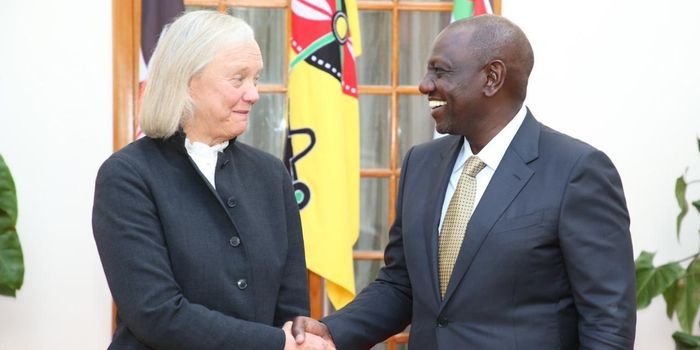
That perception has been reinforced by recent policy moves. Cuts to U.S. development aid, alongside expanded visa restrictions affecting several African countries, have unsettled long-standing partnerships.
For countries like Kenya, which have relied on U.S. support in health, education, and counterterrorism, the changes raise questions about Washington’s long-term commitment to the region.
The key to the issue is Trump’s approach to diplomacy. All ambassadors face a delicate balance: representing the president’s agenda while building trust with foreign leaders.
Trump, however, has leaned heavily toward loyalty over experience. Of the nearly 70 ambassadors he has appointed during his second term so far, fewer than 10 per cent are career Foreign Service officers. Most are political allies, donors, or figures closely aligned with his America First worldview.
Scepticism toward career diplomats is not new in U.S. politics. Past presidents, from Harry Truman to Richard Nixon, openly complained that the State Department was insular or resistant to presidential control.
Unlike his predecessors, Trump has acted more aggressively on this suspicion, sidelining or dismissing large numbers of professional diplomats. His administration has openly argued that the president has the right to ensure envoys abroad fully advance his agenda.
For Kenya, the absence of a confirmed ambassador matters. Ambassadors play a key role in signalling political commitment, resolving high-level disputes, and shaping long-term strategy.
While day-to-day diplomacy continues under a Chargé d’Affaires, the lack of a permanent envoy leaves unanswered questions about the future direction of U.S-Kenya relations, and about America’s place in Africa under Trump’s second term.
Author
Latest News








Advertisement
More on Insights