Advertisement
Stop politicking, focus on hunger and climate crisis
Tuesday 18th October, 2022 04:00 AM|
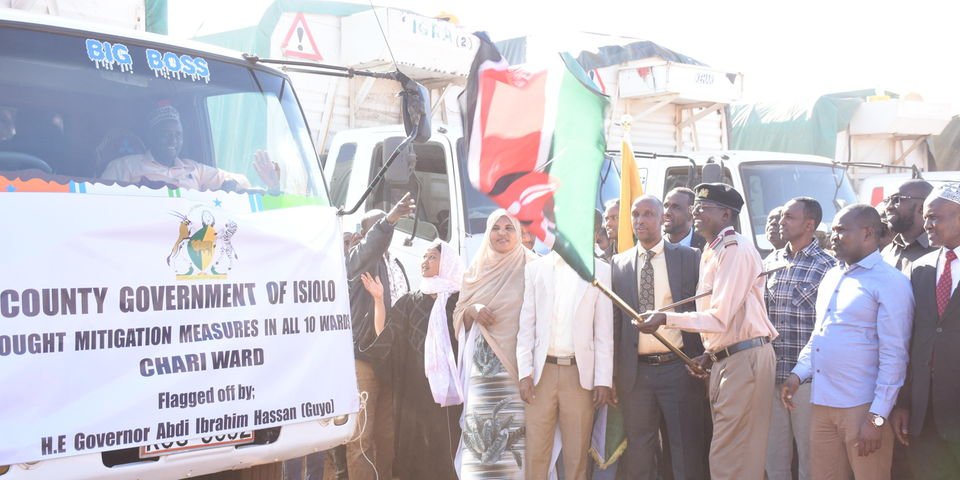
Food is now the most critical political, social and economic issue in Kenya and across the world, the first item on the global agenda to save humanity and the planet.
On Sunday, World Food Day was marked amid multiple challenges – the Covid-19 pandemic, conflict, climate change, rising prices, high inflation, massive public debt levels and deepening inequalities.
The World Food Programme (WFP) just announced that 828 million people go to bed hungry every night. The number of those facing acute food insecurity has soared from 135 million to 345 million since 2019, with 50 million people in 45 countries on the verge of famine.
Kenya and the Horn of Africa countries are enduring four consecutive failed rainy seasons and severe drought, with a fifth one forecast. Four million Kenyans in 23 counties are crying out for emergency food relief as 22 million people remain at risk of starvation in the region. Crop failures, millions of livestock deaths and widespread food shortages mount as people pay the devastating price for a pandemic, climate crisis and conflict they have done nothing to create.
Citizens are asking government leaders to stop politicking, cure the election hangover and focus on addressing the catastrophic drought and food insecurity situation in the country, the crises causing surging food and energy prices hitting vulnerable countries like Kenya hard.
Kenyans are wary of blame games on what the previous government or “handshake” did or did not do about the current painful economic situation. The new government has consolidated all instruments of power – political, legislative and economic – to exercise its constitutional mandate.
The opposition and the media must lead wananchi in holding power to account. A government in power has no right to be insensitive to queries on the timing of delivering campaign promises. National cohesion and development are allergic to endless triumphalism rhetoric on closely contested divisive electoral processes. President William Ruto on Saturday opened the giant Sh7.8 billion Thiba Dam that will see Mwea increase production, helping reduce rice imports costs currently estimated at Sh25 billion annually.
Kenyans await answers on the other dams pledged to boost irrigation and agricultural productivity and food security, including the alleged Sh55.8 billion loss scandal ridden Arror and Kimwarer dams before the Anti-Corruption Court.
Last Friday, I watched the Brookings Africa Growth Initiative host finance ministers of Botswana and Zimbabwe, and the central bank governors of Ghana and Uganda discussing priorities for economic recovery in a post-pandemic world with multiple global headwinds.
They noted that African people and their governments were not responsible for external shocks ravaging the continent. However, governments must pursue macroeconomic stability policies addressing climate change and food insecurity to build back better.
That means building resilience to these imposed shocks by adopting monetary and fiscal measures to curb inflation, provide requisite relief to the most vulnerable, and set aside financial buffers for investment in infrastructure, health, education and food security.
Zimbabwe, today food self-sufficient, prioritized adaptation to climate change to minimize its impact on agriculture. It has survived sanctions and other shocks by avoiding reliance on rain-fed agriculture, building 18 dams out of a targeted 36 across the country.
Genuine political commitment, not rhetorical vanity is critical for reconciliation and collective action for development to build an inclusive sustainable society that “leaves no one behind”, where no Kenyan sleeps hungry.
—The writer comments on political and environmental affairs – [email protected]
Author
PD columnist
View all posts by PD columnistLatest News






Advertisement
More on Insights