Advertisement
Raila Odinga as Prime Minister: Achievements and friction with Kibaki
Wednesday 15th October, 2025 01:05 PM|

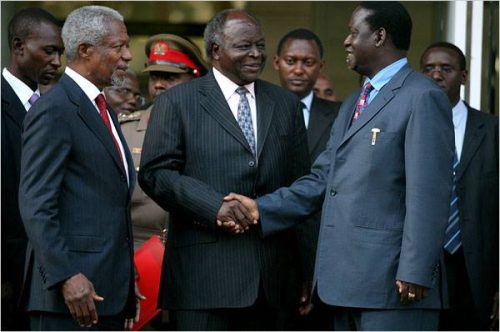
The late Raila Odinga assumed the role of Kenya’s second Prime Minister on April 17, 2008, following a power-sharing agreement signed on February 28, 2008, between his Orange Democratic Movement (ODM) and President Mwai Kibaki’s Party of National Unity (PNU).
The deal, brokered by former UN Secretary-General Kofi Annan and Tanzanian President Jakaya Kikwete, ended the 2007-2008 post-election crisis that killed over 1,200 people and displaced more than 600,000.
Sworn in, Raila focused on national reconciliation and governance reforms under the Grand Coalition Government, the first since Jomo Kenyatta’s brief tenure in 1963-1964.
Achievements
In the immediate aftermath, Odinga prioritised stabilising the economy, which rebounded from a 2008 contraction, averaging 5-6% GDP growth annually through 2012, driven by restored investor confidence and agricultural recovery.
You Might Also Like

He oversaw implementation of Vision 2030, Kenya’s long-term development blueprint, coordinating investments in infrastructure, including the Mombasa-Nairobi highway expansion and rural electrification projects connecting over 1 million households by 2013.
Odinga also engaged internationally, attending the World Economic Forum on Africa in 2008 to advocate for regional trade integration. Domestically, he pushed anti-corruption measures, establishing the Ethics and Anti-Corruption Commission in 2009, and launched the Kazi Kwa Vijana youth employment programme, employing over 100,000 youths by 2010.
Economic support programmes included cash transfers for over 100,000 elderly poor and suspending taxes on maize and fuel to mitigate drought-induced inflation.
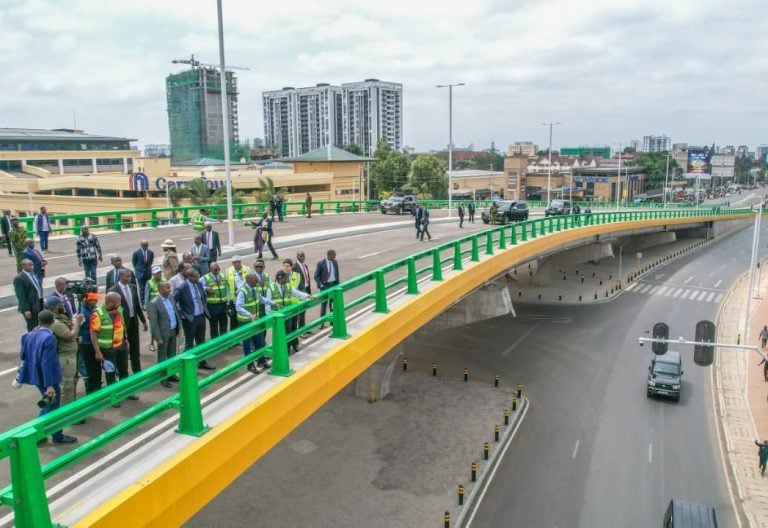
Infrastructure milestones included the completion of the Thika Superhighway in 2012, reducing travel times and boosting trade by 20%. Regionally, Odinga mediated the Ivory Coast crisis in 2010-2011, contributing to the inauguration of Alassane Ouattara in May 2011.
Friction with Kibaki
Tensions with Kibaki emerged early, rooted in the disputed 2007 election, where Odinga cited fraud. The unresolved grievances from the 2002 MOU, where Kibaki reneged on shared cabinet promises, lingered.
In September 2009, Odinga boycotted cabinet meetings over the exclusion of ODM ministers from key decisions, including budget allocations favouring PNU regions, resolved only after Annan’s mediation.
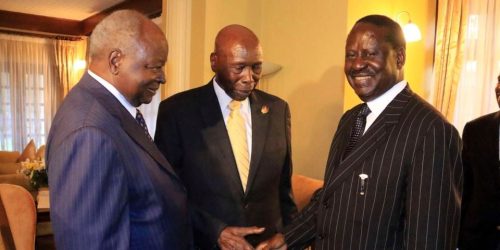
Attempts to suspend cabinet ministers over corruption in early 2010 were blocked by Kibaki, exposing coalition rifts.
Scandals further strained relations, including the 2011 Maize Scandal involving aflatoxin-contaminated imports and Kazi Kwa Vijana embezzlement probes, prompting World Bank fund suspensions.
Odinga’s tenure ended on April 9, 2013, following Uhuru Kenyatta’s inauguration after the March elections, where Odinga garnered 43.7% of the vote and lost a Supreme Court challenge over irregularities.
His five years as Prime Minister advanced devolution, stabilised the economy, and expanded infrastructure, while corruption probes and political friction highlighted challenges in the unequal coalition, leaving a legacy of progress amid polarisation.
His passing, confirmed after weeks of speculation, prompted an outpouring of tributes across Kenya and internationally, with leaders hailing him as a towering statesman whose absence leaves a significant void.
Author
Latest News

Advertisement
More on Insights