Advertisement
Travelling Governors: Time for greater accountability as county travel bill hits Ksh13.2B
Monday 29th June, 2026 07:58 AM|
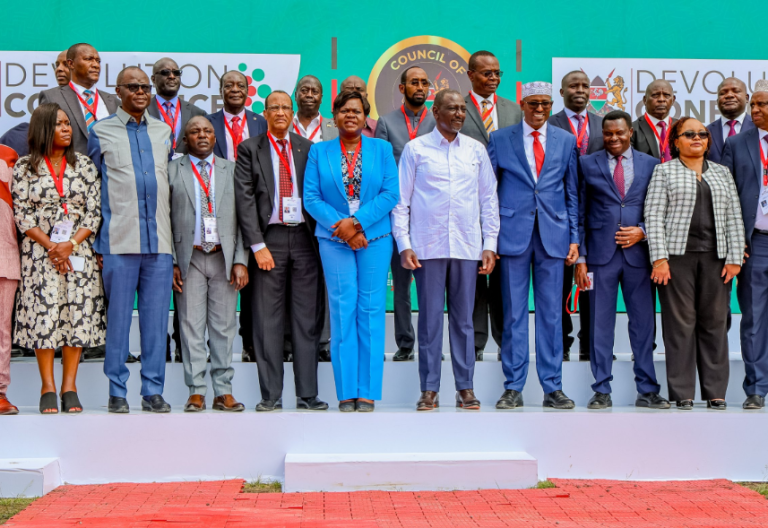
The combined cost of all the counties to travel in and out of the country was Ksh13.17 billion, thereby leaving fresh questions on their spending priorities as many devolved units continue to face challenges in service delivery, stalled development projects and budget deficits.
The 47 county governments spent Ksh11.4 billion on domestic travel and Ksh1.77 billion on foreign travel, amounting to Ksh13.17 billion on travel. The numbers have sparked a debate about county governments’ spending billions on official trips and whether taxpayers are getting their money’s worth.
Nairobi County had the highest travel expenditure, at Ksh1.55 billion, including Ksh373.61 million for travel abroad. It was followed by Kitui (Ksh523.41 million), Meru (Ksh515.83 million), West Pokot (Ksh504.28 million), Kiambu (Ksh477.54 million) and Samburu (Ksh444.53 million).
Other counties with high travel expenditure are Bungoma (Ksh373.08 million), Tana River (Ksh368.61 million), Kajiado (Ksh366.54 million), Nyeri (Ksh327.60 million), Kisumu (Ksh319.17 million), Nakuru (Ksh316.02 million), Machakos (Ksh314.04 million) and Kwale (Ksh303.43 million).

You Might Also Like
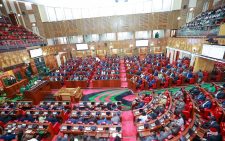


County governments claim the travel is essential for benchmarking, investment promotion, training, project inspections, and intergovernmental consultations, but critics say the heavy spending can’t be justified, as many counties still struggle to pay health workers’ and other public servants’ wages; provide complete markets, water, and even a functioning hospital; and overlook the issue of drugs.
Red flags in the Auditor-General’s report
The Auditor-General has been concerned for years with how counties account for travel expenses. In various audit reports, the unsupported domestic and foreign travel expenses have been flagged and raised doubts on millions of shillings spent without the required documentation, like invitation letters, attendance registers, boarding passes, work tickets, back-to-office reports, and evidence of gains obtained from the travelled trips. The repeated audit questions indicate a lack of financial controls and accountability in the management of public resources.
One of the most divisive items of county spending has been foreign travel. Partnerships and investment can be built, and investors attracted through international conferences and investment missions, but few of these trips have had a public impact that can be documented.
Without specific details about investments made, agreements signed, or knowledge that has been transferred, citizens wonder if such spending is about public interest or private allowances for officials.
The Ksh11.4 billion spent on domestic travel ought to be looked at as well. Due to the growing popularity of virtual meetings in the government, many feel that counties should be looking to spend much less on workshops and seminars and more on development projects, as they can be done remotely.
Accountability in question
There is also a variation in travel spending among counties, which brings governance issues to the forefront. Nairobi’s administrative duties make it easy to explain why it is spending so much, but counties with much smaller populations and budgets like West Pokot and Samburu spent well over Ksh400 million on travel, and more scrutiny of their spending is due.
On the other hand, counties like Homa Bay, Kirinyaga and Siaya had reported that they did not spend money in foreign countries at all, thus showing that there is a possibility of operating counties without having a lot of international trips.
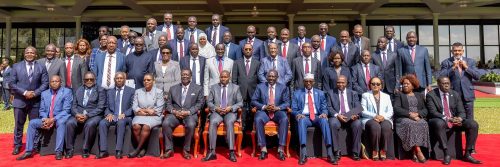
It’s not about whether or not governors and county officials should get on the plane; it’s about whether every trip is worth taxpayers’ money. All public-funded trips must be for a clear purpose, including the budget and all reports on results and benefits made public.
Watchdog role
County assemblies, the Senate and the Office of the Auditor-General should enhance their watch to make sure that the money spent on travel is justified, economical and has a direct correlation to better service delivery.
While Kenyans want to access better healthcare, better infrastructure and access to more economic opportunities, they continue to expect county governments to show that every shilling spent on travel is for a measurable impact on development.
Devolution will be assessed not by how many conferences are held and how many miles are travelled, but by the quality of the services provided to the public and the visual changes that take place in counties nationwide.
Author
Latest News







Advertisement
More on Insights