Advertisement
Mbadi’s budget moment: Relief or more pain for Kenyans?
Thursday 11th June, 2026 07:29 AM|

Cabinet Secretary for the National Treasury John Mbadi today steps into one of the most consequential moments of his tenure as he presents the Sh4.8 trillion Budget for the 2026/27 financial year.
His task is not merely to read figures before Parliament. Rather, he must convince millions of Kenyans that the government has a practical plan to address the rising cost of living, create jobs, support businesses and manage the country’s growing debt burden.
The stakes could hardly be higher
For many households, economic recovery remains more of a promise than a reality. While inflation has eased compared to previous years, many families continue to grapple with high food prices, expensive transport costs and shrinking disposable incomes. Young people entering the job market are demanding opportunities, while small businesses are looking for policies that can help them survive and expand.
Against this backdrop, all eyes will be on whether Mbadi’s budget offers meaningful relief or introduces measures that could place additional pressure on taxpayers.
Promises must translate into results
You Might Also Like
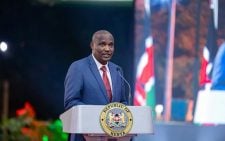

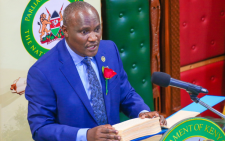
The National Treasury has indicated that the budget will focus on job creation, business growth, improved service delivery and enhanced livelihoods. These are noble objectives. However, Kenyans are increasingly interested in outcomes rather than promises. They want to know how many jobs will be created, which sectors will receive support and whether public resources will be used efficiently.
Debt and taxes under the spotlight
Equally important is the question of debt management. With a significant portion of government revenue still directed towards servicing loans, there is growing public interest in how the Treasury intends to balance development spending with fiscal discipline. The budget will therefore be judged not only on its spending priorities but also on its ability to safeguard economic stability.
Another key test will be taxation. Following public resistance to previous tax proposals, many Kenyans will be keenly watching for any measures that could increase the cost of doing business or reduce household incomes. The challenge for the Treasury is to raise sufficient revenue without stifling economic activity.
As Mbadi rises to deliver the budget statement, he faces a delicate balancing act between public expectations and fiscal realities. His proposals will offer a clearer picture of the government’s economic direction and determine whether Kenyans see the budget as a pathway to relief or another difficult chapter in their financial struggles.
By the end of the day, the figures may be forgotten, but the impact on ordinary Kenyans will remain the true measure of success.
Author
Latest News







Advertisement
More on Insights