Advertisement
KNBS: Kenya GDP hits 5.3% in Q1 2026 as tourism, manufacturing drive growth recovery
Saturday 11th July, 2026 12:17 AM|

Kenya’s economy expanded by 5.3 per cent in the first quarter of 2026, up from 4.9 per cent recorded during the same period in 2025, according to the latest Quarterly Gross Domestic Product (GDP) Report released by the Kenya National Bureau of Statistics (KNBS).
The latest KNBS data signals a strengthening economic recovery, with tourism, construction, manufacturing, financial services and agriculture driving growth across the country. The report also shows that every sector of the economy recorded positive growth during the quarter, showing the resilience of Kenya’s economy despite global uncertainties and domestic cost pressures.
“The economy expanded by 5.3 per cent in the first quarter of 2026,” KNBS said in the report, adding that all sectors registered positive growth, although at varying rates.
The Accommodation and Food Service sector emerged as the fastest-growing major sector of the economy, expanding by 14.7 per cent compared to 8.0 per cent in the first quarter of 2025.
You Might Also Like
According to KNBS, the strong performance was supported by rising international tourist arrivals through Jomo Kenyatta International Airport (JKIA) in Nairobi and Moi International Airport in Mombasa.
International visitor arrivals through the two airports increased by 13.1 per cent to 506,622 passengers during the quarter under review.
The growth highlights the continued recovery of Kenya’s tourism industry, which remains a key source of foreign exchange earnings and employment. Tourism-dependent regions, including Mombasa, Diani, Kilifi, Malindi, Maasai Mara, Amboseli and Nairobi, benefited from increased visitor numbers, boosting demand for hotels, restaurants, transport services and tour operators.
“The accommodation and food service sector recorded a growth of 14.7 per cent in the first quarter of 2026,” KNBS noted.
Construction sector posts strong growth
The construction sector grew by 6.6 per cent in the first quarter of 2026, accelerating from 4.5 per cent growth recorded during the corresponding quarter of 2025.
The expansion was reflected in higher consumption of construction materials and increased investment activity. Cement consumption rose by 17.9 per cent, while imports of bitumen, iron and steel also increased during the period.
Credit advanced to the construction sector climbed to Ksh200.6 billion from Ksh157.3 billion a year earlier, indicating growing confidence among developers and investors.
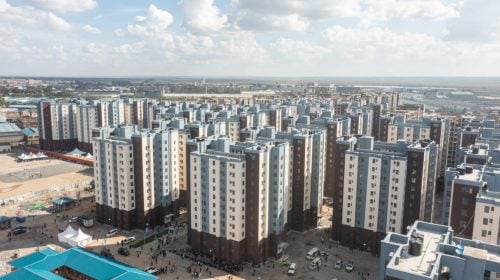
The strong performance reflects continued infrastructure development and real estate activity in Nairobi, Kiambu, Machakos and other rapidly expanding urban centres.
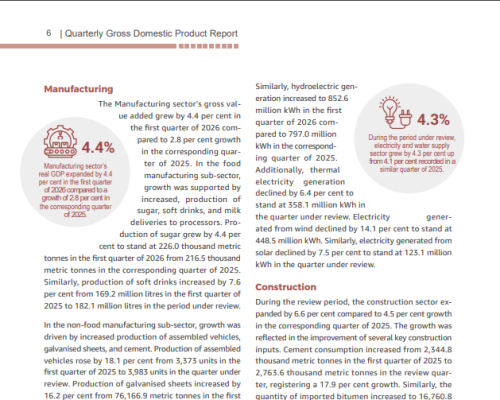
Kenya’s manufacturing sector also posted improved performance, with growth accelerating to 4.4 per cent from 2.8 per cent in the first quarter of 2025.
“Manufacturing sector’s growth accelerated to 4.4 per cent in the first quarter of 2026 compared to 2.8 per cent growth in the same quarter of 2025,” the KNBS report stated.
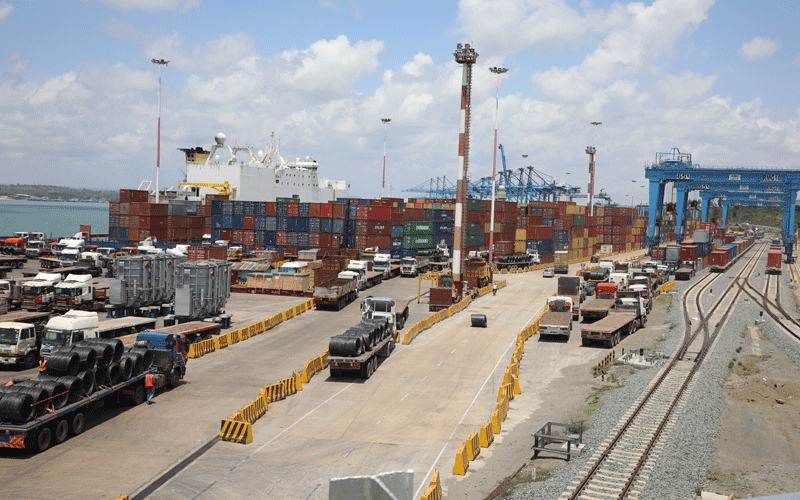
Growth was driven by increased production across both food and non-food manufacturing industries. Sugar production increased by 4.4 per cent, soft drink production rose by 7.6 per cent, while assembled vehicle production surged by 18.1 per cent.
Cement production also expanded by 17.7 per cent, reflecting growing demand from the construction sector and broader economic activity.
Manufacturing hubs in Nairobi, Mombasa, Nakuru and Kisumu are expected to benefit from the sector’s recovery through increased production, investment and employment opportunities.
Agriculture and financial services support growth
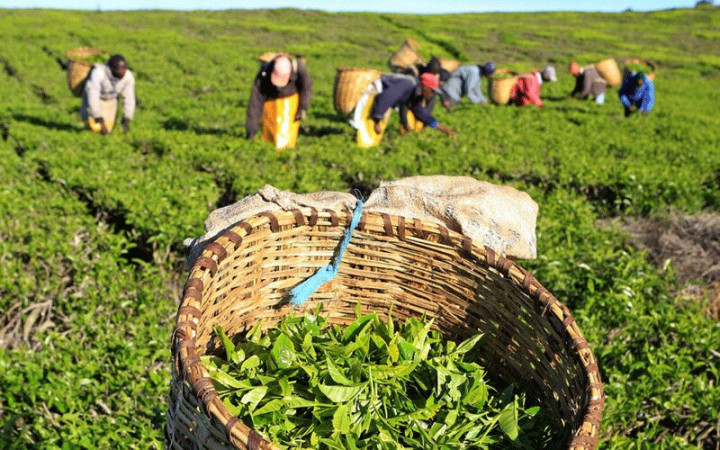
Agriculture, forestry and fishing activities expanded by 4.9 per cent during the quarter. The sector benefited from increased tea production, milk deliveries and sugarcane deliveries, although lower coffee production and declining fruit exports weighed on overall performance.
Meanwhile, the financial and insurance sector grew by 6.3 per cent as lower borrowing costs supported business activity. The Central Bank Rate was reduced to 8.75 per cent by March 2026, contributing to a decline in commercial lending rates.
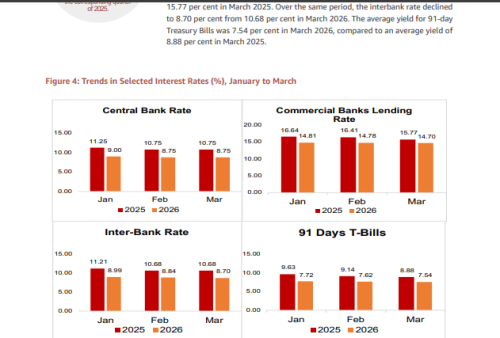
The lower cost of credit is expected to support investment by businesses and improve access to financing for households.
Despite the strong Kenya GDP growth in Q1 2026, KNBS reported mixed performance among key macroeconomic indicators.
Inflation increased to 4.35 per cent from 3.45 per cent a year earlier, largely due to higher food prices. The current account deficit also widened from Ksh70 billion to Ksh120.9 billion during the period.
Nevertheless, the broad-based growth recorded across all sectors suggests that Kenya remains on a solid economic footing.
With tourism surging, construction activity accelerating and manufacturing regaining momentum, the latest KNBS report reinforces expectations that Kenya will remain among East Africa’s fastest-growing economies in 2026.
For businesses, investors and households, the stronger GDP figures provide an encouraging sign that economic activity is continuing to recover and expand across the country.
Author
Latest News


Advertisement
More on Business