Advertisement
You can’t give jobs to all 42 tribes: Mbadi defends National Infrastructure Board appointments
Friday 10th July, 2026 04:18 PM|
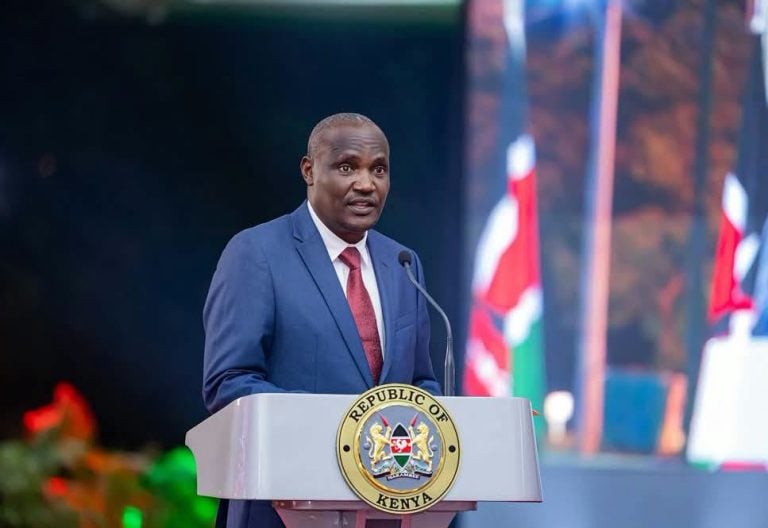
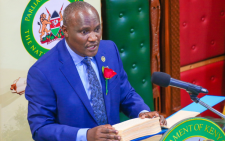
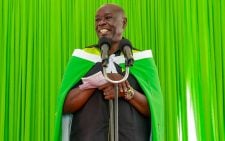
National Treasury and Economic Planning Cabinet Secretary John Mbadi has defended the appointment of six members to the National Infrastructure Board, insisting the selection was based on merit, competence and integrity rather than ethnic considerations.
Speaking during the Kibos Line SACCO economic empowerment programme in Kisumu on July 10, 2026, Mbadi dismissed criticism surrounding the appointments published in a Special Gazette Notice dated July 8, 2026, saying the successful candidates emerged from a rigorous and transparent recruitment process conducted by a high-level panel of experts.
In the Gazette Notice, Mbadi appointed James Mworia, Fahima Ali Ahmed Zein, Christopher Kibui Maranga, Latoya Ouna, Lawrence Kibet and Mohammed Abdirahman Hassan to serve on the National Infrastructure Board for a three-year term.
The board is mandated to provide strategic oversight and identify commercially sustainable avenues for financing Kenya’s transport infrastructure, as the government seeks to unlock alternative financing for major infrastructure projects.
15 Kenyans interviewed
You Might Also Like
Mbadi said the selection panel comprised African Export-Import Bank (Afreximbank) immediate former president Prof. Benedict Oramah, Kenya Commercial Bank Group Chief Executive Officer Paul Russo, veteran banker Richard Simmons, Kenya Pipeline Company Board Chairman Faith Boinett, Attorney General Dorcas Oduor, Central Bank of Kenya Governor Kamau Thugge and himself as the chairperson.
“We interviewed 15 Kenyans despite receiving more applications and ranked them according to their performance,” Mbadi said.
He explained that the highest-ranked candidate came from Meru, followed by a candidate from Nyeri, while the third-ranked candidate was a woman from Kilifi and the fourth-ranked candidate was Latoya Ouna from Siaya.
“One person came from Nyeri. We did not give him the appointment because he came from Nyeri. He performed very well in the interview. Number one came from Meru, number two from Nyeri, number three was a lady from Kilifi and number four was Latoya Ouna from Siaya,” he said.
Mbadi fights off ethnicity claims
Mbadi dismissed claims that the appointments had sidelined the Luo community, saying ethnicity was never a consideration during the recruitment process.
“There has been propaganda about which tribe has been left out. There were only a few positions available and you cannot give them to all the 42 tribes. It was never a requirement that a Luo had to be there,” he said.
He defended Ouna’s appointment, saying she secured her place purely on merit and not because of her ethnic background.
“The young lady from Siaya is not there because she is a Luo. She is there because she has experience in asset management and investment banking. She is a very sharp lady who impressed the interview panel,” Mbadi said.
He urged Kenyans to support merit based appointments, arguing that public institutions can only be strengthened by recruiting qualified professionals with proven expertise.
“We committed ourselves to the success of this fund. That is why, if you look at the people we have appointed as council members, they are people whose character, competence, capacity and integrity cannot be questioned,” he said.
Mbadi maintained that the government’s objective was to establish a credible board capable of providing strategic leadership in infrastructure financing, saying competence must always take precedence over ethnic or regional considerations in public appointments.
He said the National Infrastructure Board will play a critical role in identifying commercially sustainable financing models to support Kenya’s transport infrastructure and accelerate the country’s economic development.
Author
Viola Kosome
View all posts by Viola KosomeLatest News



Advertisement
More on News