Advertisement
Involve residents in mission to close social joints
Wednesday 19th October, 2022 10:40 AM|
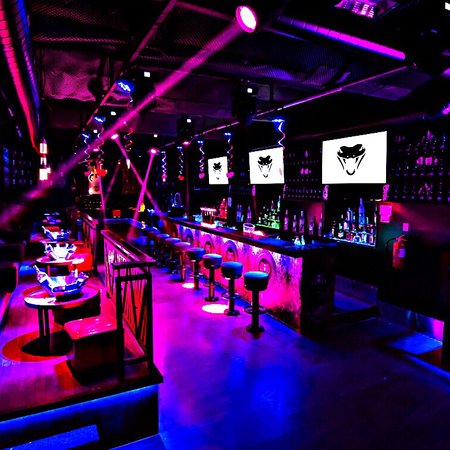
In the past couple of weeks, there has been heightened discussion over closure of social joints established in residential areas.
The big question is why investors would choose estates as their most preferred locations for bars and entertainment joints.
In Kenya, there’s a famous law known as the Alcoholic Drinks Control Act (ADCA), 2010 popularly known as the ‘Mututho law.’ This is attributed to the man behind its legislation and eventual enactment by Parliament, and who also chaired the Board of the National Authority for the Campaign Against Alcohol and Drug Abuse (Nacada), John Mututho. To many, this law is what introduced some form of sanity in the operation of alcohol dispensing outlets when it prescribed the hours within which such premises operate.
Unbeknown to the public, however, is that within this law lies the critical role of the community in deciding whether or not bars should be located within and near residential areas. The ADCA,2010 had established what was then referred to as District Alcoholic Drinks Regulation Committees, which were responsible for issuing licenses for bars and such related premises. It expressly provided for inclusion of three members of the district as part of the committee. After devolution kicked in and counties were established, it was anticipated that they would replicate the same since the function of licensing of the premises was devolved.
Some of the devolved units, especially those that have enacted the Alcoholic Drinks Regulation and Licensing Acts, have provided for the Sub-County Alcoholic Drinks Control and Licensing Committees. For instance, the Nairobi County Law provides for three residents of the sub-county as members of the committee that is charged with approving or disapproving of the licenses.
Businesswise, and in the spirit of taking services closer to the people-so to speak, bars in estates offer the most convenience to revellers and this translates to tidy profits, especially on weekends. But on the flipside, this portends nuisance to families and children who have to contend with noise, unruly behaviour and all other manner of ills associated with alcohol intake.
In November 2018, High Court Judge Justice Chacha Mwita ruled that it was illegal for bars to operate near schools and residential areas. He grounded his ruling on Article 42 of the Constitution which gives everyone the right to a clean and healthy environment free from pollutants such as noise.
Article 12 (1) c of ADCA clearly pronounces itself on proximity of entertainment joints specifically to schools. It requires that they should be established at least 300 metres from any nursery, primary, secondary or other learning institution for persons under the age of 18 years. In the same ruling, Justice Mwita said that selling liquor in residential estates further violates residents’ right to privacy guaranteed under Article 31 of the Constitution. This brings to the fore the critical role of the community in not only creating conducive environments for the family unit, but also maintaining their peace and quiet.
When all is said and done it is important to note that children should never be exposed to alcohol, leave alone the resultant insolent behaviour associated with its consumption. Community space must be protected from all aspects that threaten to expose children to abhorrent behaviour and it is for this reason that the community voice is important in safeguarding these safe spaces. Children are protected by Article 24 (1) of the Children Act which expressly talks about ‘Protection from drugs and substance abuse.’
While it may look like authorities are the end game in so far as deciding as to where bars and entertainment joints should be located, it should not also escape us that the community also has a pivotal role to play.
— The writer is Manager Corporate Communications-Nacada
Author
PD columnist
View all posts by PD columnistLatest News







Advertisement
More on Insights