Advertisement
Implement task force report on affordable power
Friday 14th October, 2022 12:01 AM|
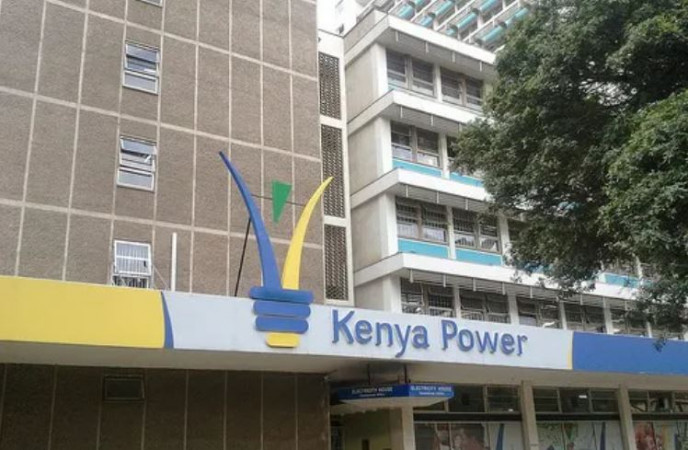
A year ago, a presidential task force report recommended measures to cut the high electricity tariffs holding back our economy.
A high-level committee was subsequently appointed to drive its implementation. But the tariff reductions expected within months never fully materialised. President William Ruto’s administration should fast-track action on the report to secure quick wins for the economy.
The previous government set up the task force in March last year following sustained public outcry about exorbitant power tariffs. This was attributed partly to costly Power Purchase Agreements (PPAs) that Kenya Power and Lighting Company (KPLC) inked with Independent Power Producers (IPPs).
Auditor-General’s report for the Financial Year ended June 30, 2021, noted that KPLC paid an average of Sh15.30 per KWh for power from IPPs compared to Sh5.30 from the State-owned Kenya Electricity Generating Company (Kengen). The effective unit cost of power from some IPPs was as high as Sh195 per KWh. Among the task force’s recommendations was for KPLC to renegotiate PPA terms with IPPs while adhering to contractual obligations. It also set out reforms of KPLC and other State entities involved in electricity generation, transmission, regulation and policy to eliminate inefficiencies that impede affordable power provision.
Negotiations with IPPs appear to be dragging longer than envisaged by the task force that handed in its report on September 29, 2021. In August this year, former Energy Cabinet Secretary Dr Monica Juma said IPP engagements, which kicked off in January, are still ongoing. She revealed that a few have consented to tariff review, while others are apparently intransigent. The government should set targets for concluding the talks or terminate PPAs where appropriate instead of continuing with open-ended negotiations.
IPP representatives often argue that their tariffs reflect generation costs. This is a callous attempt to defend their interests. It is obvious that KPLC and Government representatives who approved and signed the lopsided PPAs with IPPs had other considerations in mind apart from the interest of Kenyans. Going forward, KPLC should have a transparent PPA process to ensure Kenyans are not saddled with expensive power for decades.
Regarding reforms in KPLC and related institutions, information about the progress in implementing the task force recommendations is scanty. But the recent KPLC’S dramatic profit jump underscores the potential of the utility if managed professionally. Without continuous oversight, the power distributor will quickly snap back to business as usual. It would be prudent to revive the cabinet sub-committee on KPLC to achieve this.
KPLC is reportedly planning to request regulatory approval for a 20 per cent consumer tariff hike before December to shore up its shaky finances. Policymakers should instead push the utility to maximise efficiencies and drive down IPP costs as the viable pathways to financial sustainability.
There is also a pressing need to address the duplication of roles by State agencies in the electricity space to cut power costs. The task force noted overlaps between the Rural Electrification and Renewable Energy Corporation and KPLC in rural electrification, and between KPLC and Kenya Electricity Transmission Company in transmission. Similarly, Kengen and the Geothermal Development Corporation are not best aligned to grow the geothermal sector.
To ensure the task force recommendations are effected, the government should extend the term of the implementation committee in case it has already lapsed, or appoint a new team. The committee should also provide regular and timely public updates about its work.
It would be a great disservice to Kenyans if the government neglects the task force report on PPAs as it did with a similar one in 2018 and a follow-up on the 2021 Inter-Agency Committee report.
— The writer is a Sustainable Development Advocate
Author
PD columnist
View all posts by PD columnistLatest News





Advertisement
More on Insights