Advertisement
Willis Otieno demands accountability amid ballooning Kenya’s debt
Wednesday 29th April, 2026 07:37 AM|

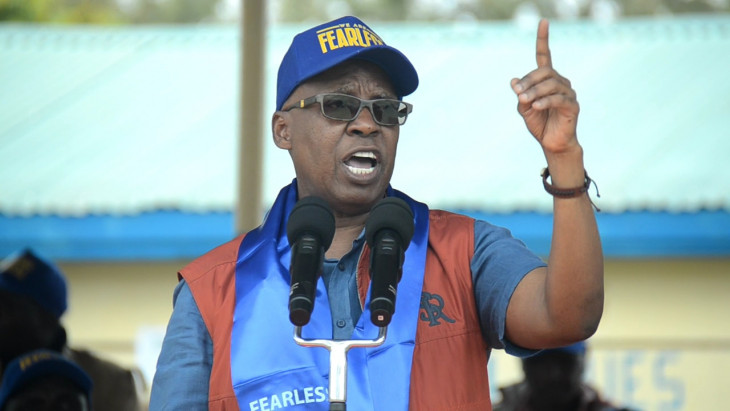
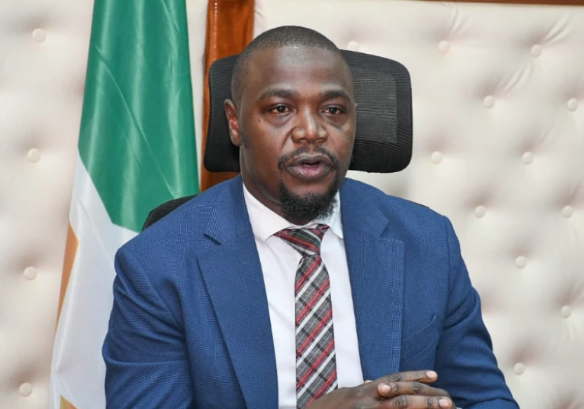
Safina Deputy Party leader Willis Otieno has criticised the government’s borrowing practices, warning that rising debt risks mortgaging the country’s future while benefiting only a small elite.
Taking to his X account on Wednesday, April 29, 2026, Otieno criticised what he termed “predatory debt,” claiming that public borrowing should be directed toward productive national development rather than sustaining corruption, waste, and recurrent expenditure.
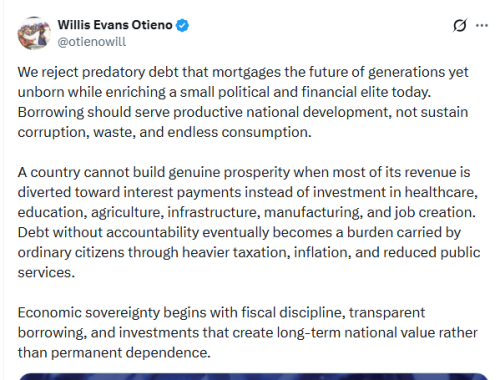
“We reject predatory debt that mortgages the future of generations yet unborn while enriching a small political and financial elite today. Borrowing should serve productive national development, not sustain corruption, waste, and endless consumption,” Otieno said.
Revenue goes to loans
According to Otieno, a significant portion of government revenue is increasingly being channelled toward servicing loans instead of financing key sectors such as healthcare, education, agriculture, infrastructure, and job creation.
You Might Also Like
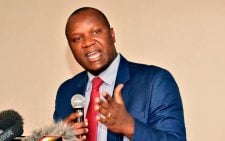

“A country cannot build genuine prosperity when most of its revenue is diverted toward interest payments instead of investment in critical sectors,” Otieno noted.
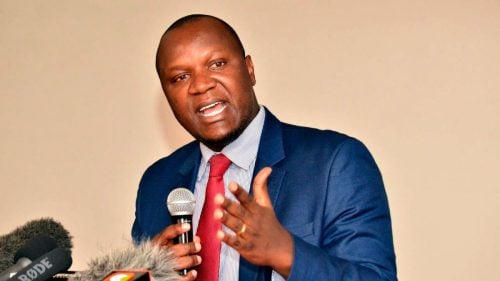
He warned that lack of accountability in debt management ultimately shifts the burden to ordinary citizens through higher taxes, inflation, and reduced access to essential public services.
The governance expert further called for greater transparency in public borrowing and emphasised the need for fiscal discipline to safeguard the country’s economic sovereignty.
“Economic sovereignty begins with fiscal discipline, transparent borrowing, and investments that create long-term national value rather than permanent dependence,” he added.
Kenya suffers from a leadership class
Otieno argued that Kenya’s challenges are not rooted in a lack of potential but in what he described as a leadership culture deeply entrenched in excessive borrowing, opacity, and short-term political decision-making.

“Kenya does not suffer from lack of potential. Kenya suffers from a leadership class addicted to debt, opacity, and short-term political survival,” Otieno stated in a statement.
He further warned that the current economic model, characterised by heavy borrowing, rising taxation, and persistent fiscal pressure, is fundamentally unsustainable and could eventually collapse under its own weight.
Author
Emmanuel Rono
Rono is a dynamic digital journalist with a proven track record in newsroom leadership and content creation. Currently a Digital Writer for People Daily Digital, Emmanuel’s career is rooted in a lifelong passion for storytelling.
View all posts by Emmanuel RonoLatest News




Advertisement
More on Inside Politics