Advertisement
Sifuna raises alarm over treatment of opposition leaders in East Africa at PAD meeting
Tuesday 26th May, 2026 10:36 AM|

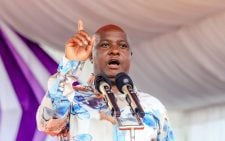
Nairobi Senator Edwin Sifuna, alongside the Platform for African Democrats (PAD), has drawn attention to the growing concerns over the treatment of opposition leaders across East Africa during a high-level meeting held in Stellenbosch, South Africa.
In a statement jointly shared by both PAD and Senator Sifuna on Tuesday, May 26, 2026, the leaders highlighted what they described as an emerging pattern of political persecution targeting opposition figures in several African states, particularly Tanzania, Uganda, and Rwanda.
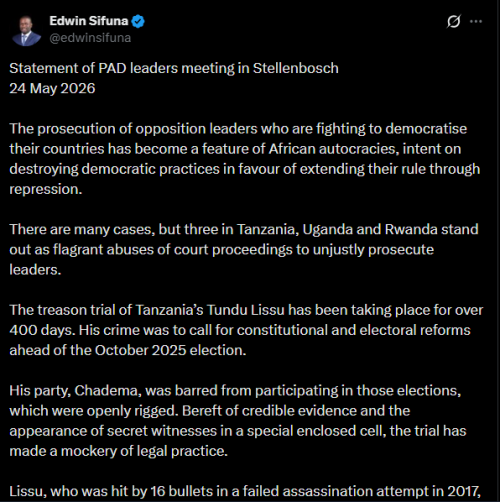
“Statement of PAD leaders meeting in Stellenbosch, 24 May 2026. The prosecution of opposition leaders who are fighting to democratise their countries has become a feature of African autocracies, intent on destroying democratic practices in favour of extending their rule through repression. ” Sifuna stated,
The remarks were framed as part of broader discussions on democratic governance and political freedoms across the continent.
Tundu Lissu’s situation
You Might Also Like
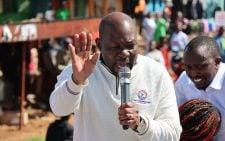

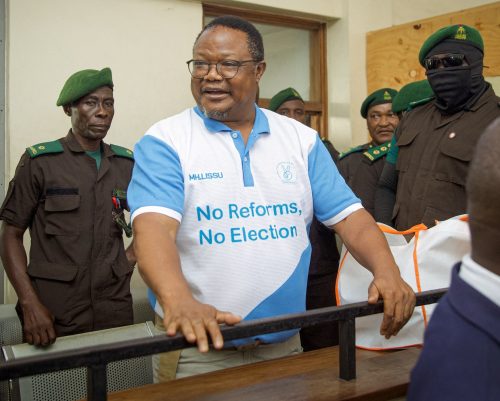
The statement pointed to Tanzania as a key example, referencing the prolonged treason trial of opposition leader Tundu Lissu.
According to the joint position of PAD and Sifuna, the case, now running for over 400 days, raises serious concerns about the use of the judiciary in political disputes.
It further noted that Lissu’s party, Chadema, was excluded from participating in recent elections, which the statement described as lacking credible competition.
Concerns were also raised over the use of secret witnesses and delays in the judicial process, alongside worries about Lissu’s access to adequate medical care following his past assassination attempt.
Kizza Besigye’s situation
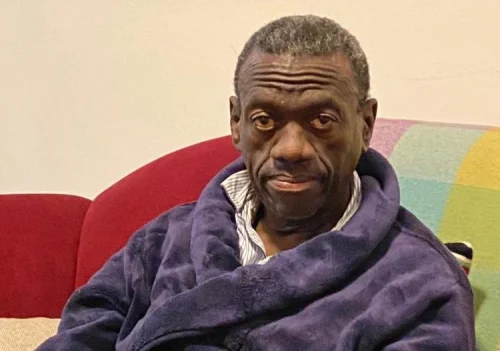
In Uganda, the statement highlighted the continued detention and prosecution of veteran opposition figure Dr Kizza Besigye, who has been facing proceedings in a military court since late 2024.
The PAD-Sifuna position questioned the prolonged nature of the trial and the use of military tribunals in cases involving civilian political actors.
It also referenced broader claims of electoral unfairness during Uganda’s recent election cycle, where opposition candidates were allegedly disadvantaged.
Rwandan situation
Rwanda was also cited, with the statement referencing the arrest of opposition politician Victoire Ingabire and members of her political party, Dalfa-Umurinzi.
The charges, including allegations of forming a criminal organisation and inciting unrest, were described in the joint statement as politically sensitive and strongly disputed by those accused.
The PAD statement further emphasised that while several of these countries project an image of democratic progress, there are growing concerns about what they termed the erosion of political freedoms and the increasing use of legal systems to manage opposition activity.
The statement warned that such trends risk undermining democratic institutions across the region.
The meeting further called for greater international attention to these developments, urging stronger protection for political actors facing legal challenges and improved humanitarian consideration, particularly for detained leaders with health concerns.
PAD warning
The statement concluded by warning that the trajectory of democratic governance in East Africa remains a matter of regional concern, especially amid wider instability in parts of Somalia, Sudan, and Ethiopia, and called for renewed commitment to accountability, constitutionalism, and political tolerance across the continent.
Author
Latest News




Advertisement
More on Inside Politics