Advertisement
Salasya slams Ruto over Ksh10 fuel price cut after sharp hike
Saturday 23rd May, 2026 10:05 AM|

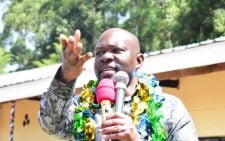
Mumias East Member of Parliament (MP) Peter Salasya has taken a swipe at President William Ruto’s administration over the recent fuel price adjustments, mocking the government’s Ksh10 reduction in diesel prices after what he described as a sharp prior increase that has left Kenyans under heavy economic pressure.
Speaking during a public event in Matungu, Kakamega County, on Friday, May 22, 2026, the Democratic Action Party of Kenya (DAP-K) first-term MP criticised what he termed as “symbolic relief measures” that do little to ease the cost of living.
The lawmaker also questioned the relevance of some of the taxes imposed on fuel, especially the railway levy.
“Mnaweka mafuta juu, alafu mnaanza kurudisha chini na shilingi kumi kumi, na ilhali mnajua mlieweka pesa ya railway levy. Railway levy inafanya namna gani hapo? Inafanya nini kwa mambo ya mafuta?” Salasya questioned.
You Might Also Like


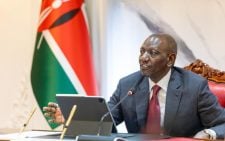
In Kenya, the Railway Development Levy (RDL) is a tax imposed on the importation of goods into the country, calculated at a rate of 1.5 per cent on the Cost, Insurance, and Freight (CIF) values.
Since Kenya imports all its petroleum products, this levy is applied to the landing cost of super petrol, diesel, and kerosene, which directly inflates their final retail pump prices.
Confusing cycles of price hikes
Taking to his official X account a day after the Matungu event, Salasya used a humorous analogy to question the logic behind fuel pricing trends, saying Kenyans are being subjected to confusing cycles of price hikes and minor reductions.
He argued that the Ksh10 reduction in diesel prices was insignificant compared to earlier increases and accused the government of over-celebrating minimal adjustments.
The legislator also highlighted what he described as unusual dynamics in fuel pricing, joking that diesel had “defeated” petrol by a significant margin following the latest revisions.
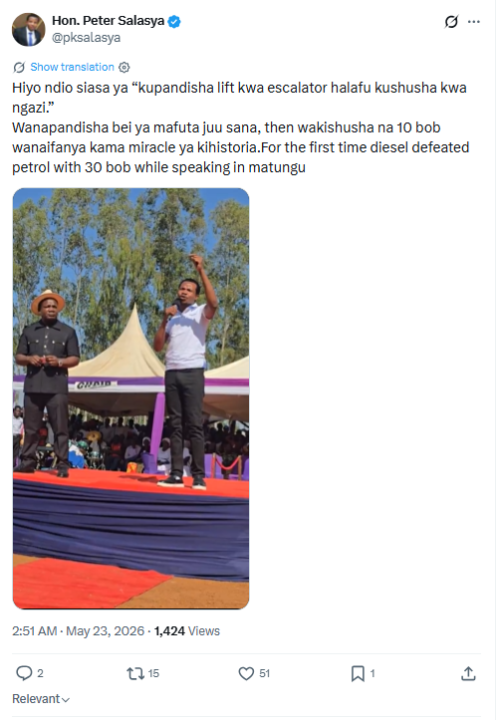
“Hiyo ndio siasa ya “kupandisha lift kwa escalator halafu kushusha kwa ngazi.”
Wanapandisha bei ya mafuta juu sana, then wakishusha na 10 bob wanaifanya kama miracle ya kihistoria. For the first time diesel defeated petrol with 30 bob,” Salasya wrote on X.
Ruto’s intervention
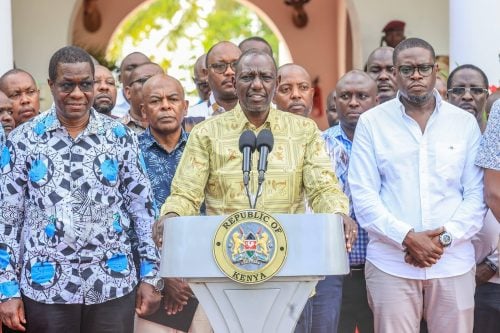
Salasya’s remarks come hours after President William Ruto announced that diesel prices will be reduced by Ksh10 in the upcoming June–July fuel price review by the Energy and Petroleum Regulatory Authority (EPRA).
While speaking during a press briefing after a stakeholder meeting with transport sector players in Mombasa, following the suspension of their strike on Friday, May 22, 2026, the head of state said the agreement was reached after joint consultations with transport sector stakeholders.
“I have directed that in the pricing cycle, the next pricing cycle, we are going to further reduce the price of diesel by a further Ksh10 for the June-July cycle to help stabilise pump prices and provide additional relief to consumers,” Ruto said.
Public frustration over cost of living
Salasya’s comments come amid growing public debate over fuel prices, transport costs, and the overall cost of living, with Kenyans increasingly expressing frustration over frequent adjustments in fuel pricing.
Fuel costs remain a key driver of inflation, affecting transport fares, food prices, and the cost of basic commodities across the country.
The remarks add to increasing political pressure on the government over economic conditions, with leaders from both the opposition and some within government questioning the effectiveness of current fuel pricing policies.
While regulators have defended recent adjustments as necessary to stabilise the market, critics argue that the changes do little to cushion ordinary citizens from economic strain.
Author
Mustafa Juma
View all posts by Mustafa JumaLatest News





Advertisement
More on Inside Politics