Advertisement
Oburu dismisses 2027 Deputy President ambitions amid ODM-UDA talks
Monday 02nd February, 2026 01:28 PM|

The Orange Democratic Movement (ODM) leader, Oburu Odinga, has shut down speculation that he is angling for the deputy president’s slot as talks with United Democratic Alliance (UDA) intensify over a possible 50–50 power-sharing deal ahead of the 2027 General Election.
This comes even as the faction’s national chairperson, Gladys Wanga, maintains that ODM wants a 50/50 power-sharing deal with Ruto’s UDA in ongoing talks.
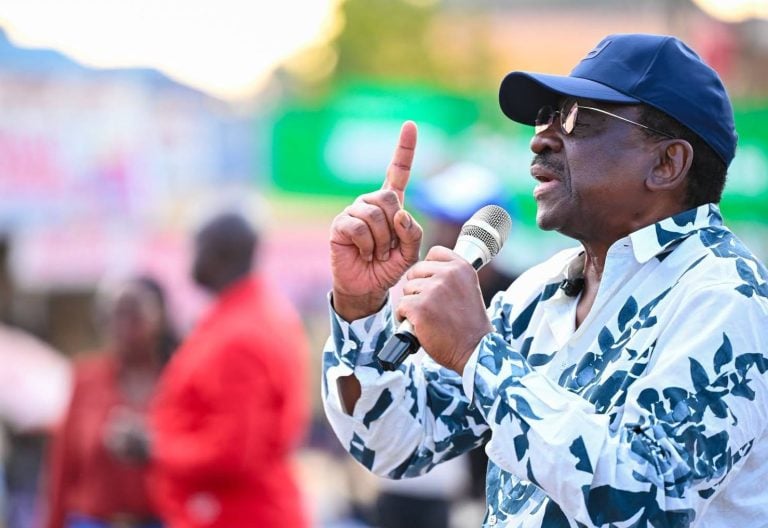
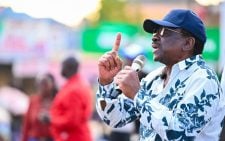
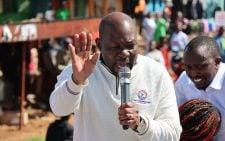
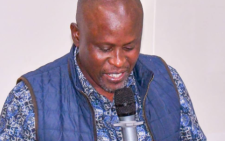
Speaking on Monday, February 2, 2026, in Kisumu County during the issuance of NYOTA funds, the Siaya Senator said that he has no intention of ousting DP Kithure Kindiki, even as pre-election talks between the two parties intensify.
“We are not going to look for less. But, Deputy President, do not think that we want your seat or that we want to remove you from your position. You are our friend,” Oburu said.
You Might Also Like
However, Oburu left the door open for ODM to field a deputy presidential candidate in the 2027 elections, saying his community must receive its rightful share.
“As we negotiate, we are going to negotiate what our party and community deserve. We are going to negotiate fairly, and we are not going to take anybody’s share,” he stated.
In what appears to ease pressure on President Ruto to retain Kindiki to bolster political vetting in the vote-rich region of Mt.Kenya, the ODM leader’s latest utterances appear to change his stance from the earlier one.
For instance, on November 3, 2025, Oburu said that in case the ODM party entered into any negotiation talks, they would not go for any position lower than the DP position.
This now assures that Kindiki’s position is safe ahead of the 2027 polls and that the ODM party will now push for other positions in Ruto’s government.

ODM stake in 2027
As Ruto continues to strategise on his reelection bid, the litmus test now rests on ODM to assure the UDA chief of 2027 victory by solidifying its turf, which the opposition has embarked on, with grassroots engagements with the electorate to stake ahead of the showdown.
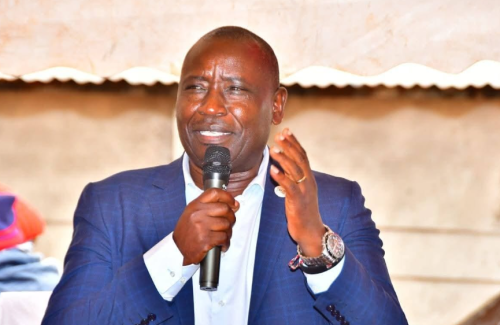
According to political analyst and Kitui Central MP Makali Mulu, the ODM’s 50/50 demand is a genuine claim in historical terms, particularly given the stabilising role the party played when it joined the government.
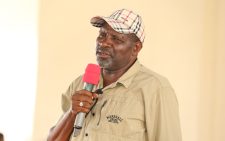
“It is good to make these statements they are making, but I think ODM has much more to do at the level of ODM before they claim the 50%,” he said during an interview on a local TV station on Monday, February 2, 2026.
In his view, the real test lies in whether the party can demonstrate unity and electoral value across regions, not just strongholds like Nairobi.
Mulu pointed to emerging regional tensions within ODM as the party’s biggest vulnerability. Coastal leaders have openly demanded a larger share of influence, warning they could chart a separate political path if their expectations are not met.
Similar signals have come from Western Kenya, where leaders argue that their contribution to ODM’s national profile has not been adequately recognised. These internal pressures, Mulu said, weaken ODM’s bargaining power.
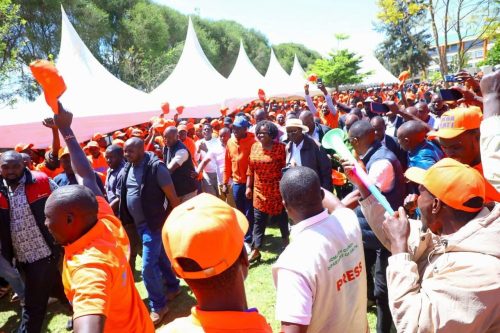
“That claim of 50% can only become realistic if they remain united.”
The ripple effects of ODM’s push are also being felt within UDA. According to Mulu, many UDA legislators privately feel that ODM’s presence in government has narrowed their political space, particularly in competition for development resources.
“The coming in of ODM to the government really messed a lot of their plans as individual plans,” he noted.
Now is the game of wait and see as events unfold from both factions on an already volatile political chessboard, as the opposition beefs up its camp to unseat Ruto in 2027.
Author
Latest News

Advertisement
More on Inside Politics