Advertisement
Nelson Havi faults gov’t for shielding killer cops with public funds
Thursday 14th August, 2025 07:50 AM|
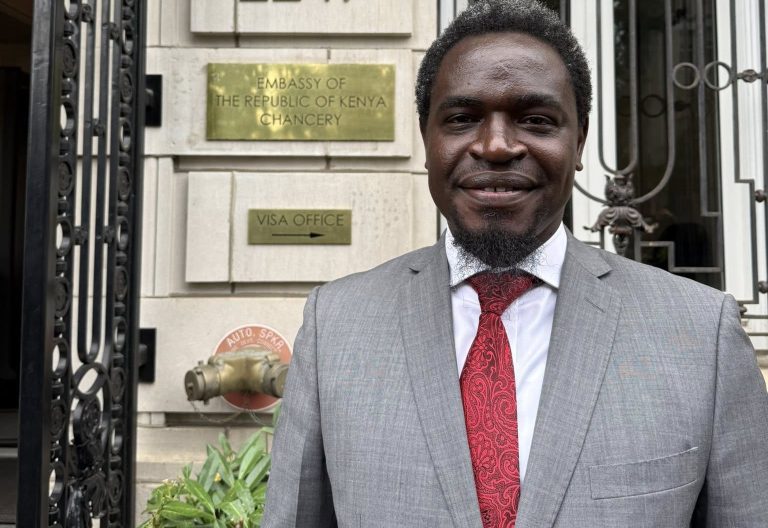
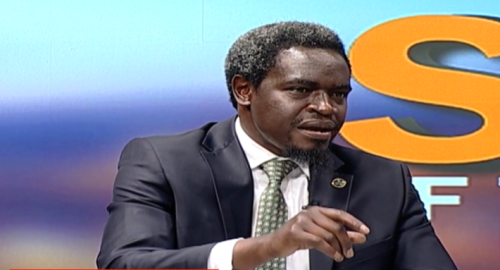
Former Law Society of Kenya (LSK) president Nelson Havi has criticised the government over its approach to addressing extrajudicial killings, accusing it of shielding police officers implicated in such incidents by using taxpayers’ money for compensation.
Speaking during a television interview aired by a local TV station on Thursday, August 14, 2025, Havi questioned the legal and moral basis for compensating victims of police killings using public funds instead of holding individual officers accountable through the justice system.
“On what basis will the quantification of damage be? The president is picking a perilous path because he is sanctioning the formation of the task. The ultimate back will stop with him,” Havi said.
He argued that President William Ruto should have allowed police officers accused of unlawful killings to face the law individually, rather than creating a framework that shifts financial liability to the state and, ultimately, the taxpayer.
You Might Also Like

“He would have left the individual policemen and women responsible for killing to face the law,” Havi stated.
The former LSK boss said the decision to compensate victims using public resources is a good idea but effectively shields perpetrators from personal accountability, raising questions about the prudent use of national funds.
“To the extent he wants to shield them using public funds that could be used for other useful purposes,” Havi added.
Extrajudicial killings have remained a contentious human rights issue in Kenya, with numerous cases reported over the years involving allegations of excessive force by security agencies. Human rights organisations have long called for reforms in policing, prosecution of implicated officers, and justice for victims’ families.
Havi’s remarks come in the wake of recent government pronouncements on setting up mechanisms to compensate families affected by such incidents, an initiative he believes undermines justice and may embolden rogue officers.
By pointing out that “the ultimate back will stop with him,” Havi placed full responsibility on President Ruto for the consequences of this policy direction, warning that it sets a precedent that could affect public trust in law enforcement accountability.
The issue of how to address historical and ongoing cases of police brutality continues to spark national debate, with some supporting state-led reparations while others, like Havi, insist on personal liability for those directly involved.
As the government proceeds with its plans, Havi’s comments are likely to fuel further discussion on the balance between compensating victims and ensuring that perpetrators face justice.
Author
Latest News



Advertisement
More on Inside Politics