Advertisement
State pledges predictable tax regime for investors
Monday 07th August, 2023 01:02 AM|
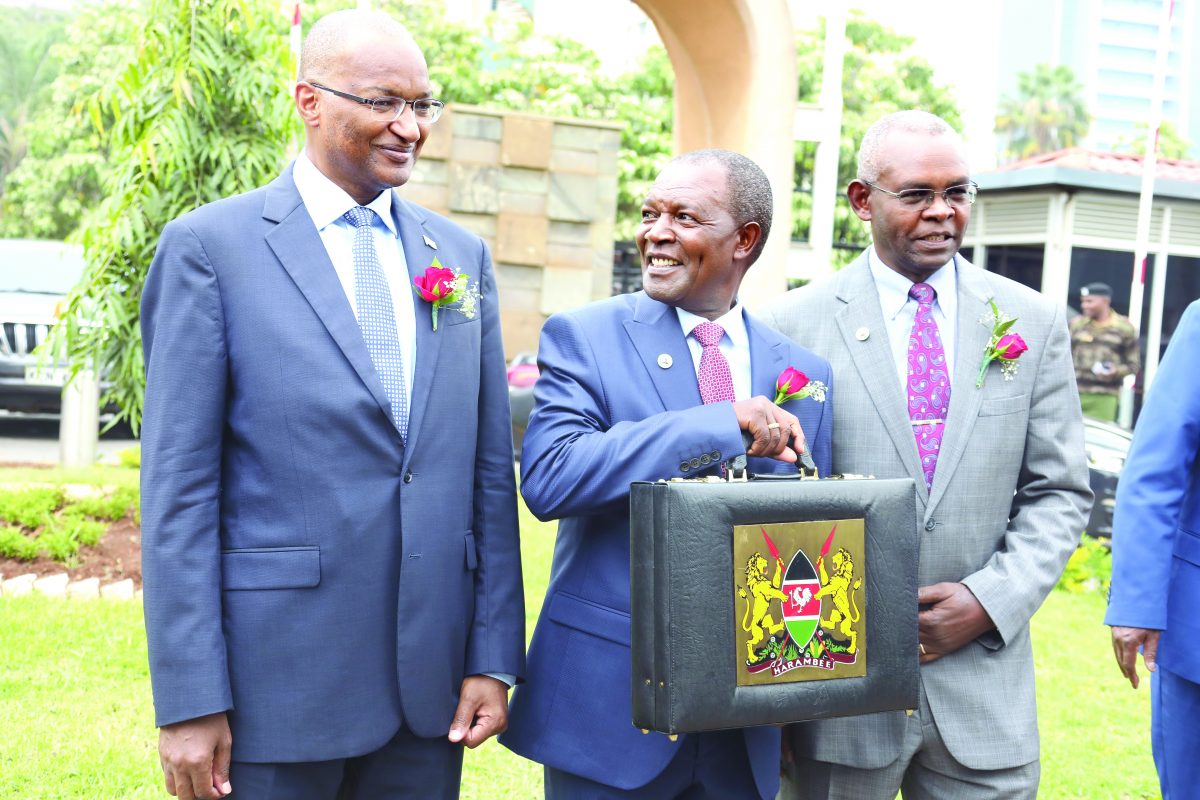
The National Treasury has promised new tax policy guidelines to help streamline the country’s taxation regime and make it more predictable for investors.
Cabinet Secretary Njunguna Ndung’u said he has tasked a team from the ministry to develop empirical models that will be easily implementable but not able to distort the market or affect revenue collection.
While speaking to investors during the second DTB Economic and Sustainability forum in Nairobi, the CS disclosed that the policies could not be included in the Finance Act 2023 due to time constraints.
“I have a team that is working very hard to ensure that they come up with empirical models that are going to be easily implementable so that we stick to that and ensure we raise adequate resources from taxation,” Ndung’u said.
“We didn’t have ample time to do that from the Finance Bill, so we need to have ample time to implement this,” he added.
The second DTB Economic and Sustainability Forum is aimed at engaging policy makers & stakeholders on the prospects, opportunities and challenges for businesses in Kenya.
The CS said the new policy instruments will ensure that once tax measures are implemented, they will not vary the timing of investors or the size of investments in the country.
“With this, I am sure we will raise adequate resources from taxation and we will also look at the levies and how to go about them because taxes can’t be changing time by time,” Ndung’u stated.
Investment decisions
Kenya Association of Manufacturers (KAM) and Kenya Private Sector Alliance (Kepsa) have for long been urging authorities to streamline the country’s tax regime to make it predictable.
Anthony Mwangi, KAM chief executive said predictability of the tax regime will allow businesses to consciously make investment decisions without worrying about the uncertainty and costs associated with reviews of taxation laws.
“A look at Kenya’s taxation regime raises three significant concerns – lack of clear tax policy objectives; erratic changes in the tax code and multiple taxation at the national and county levels of government,” he is on record saying.
Fiscal policy
It emerged during the deliberations that a more predictable tax regime has been elusive in the country making it hard for private sector players to make long-term investments decisionsSpeaking at the forum, Kepsa CEO Carol Kariuki complained that sudden changes in the fiscal policy and regulations divert the industry’s resource allocation from productivity to meeting costs associated with the changes towards compliance first.
Experts say that the ability to accurately identify future incomes and expenses is a key component for businesses to thrive as it allows them to plan and determine whether to increase investments.
Author
Noel.Wandera
View all posts by Noel.WanderaLatest News







Advertisement
More on Business