Advertisement
MPs urge govt to tackle waste before privatizing KPC
Tuesday 12th August, 2025 03:42 AM|

Members of Parliament have urged the National Government to focus on eliminating wastage and mismanagement of public funds before moving ahead with plans to privatise the Kenya Pipeline Company (KPC).
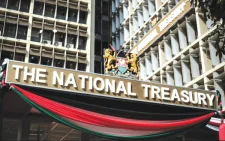
The legislators made their position clear during an engagement with Treasury Cabinet Secretary John Mbadi on Monday, August 11, 2025, who was defending the government’s proposal to sell part of KPC.
The plan, outlined in Sessional Paper No. 2 of 2025, seeks to raise approximately Ksh100 billion to support the current budget and prevent delays in key development projects.
CS Mbadi argued that privatisation offers a viable way to raise funds without imposing additional taxes.
You Might Also Like


“Raising taxes at this point is not an option. Privatisation will give us fiscal space while avoiding more burdens on taxpayers,” he said.
Tighter fiscal discipline
However, MPs countered that selling a profitable, self-sustaining strategic asset like KPC should not be the first option.
They instead called for tighter fiscal discipline, better resource management, and plugging financial leakages in ministries, departments, and agencies.
In response, Mbadi noted that Treasury has already initiated reforms, including e-procurement and stricter accountability measures, to reduce unnecessary spending across government operations.
“These measures will go a long way in reducing unnecessary expenditure across government operations,” Mbadi stated.
The privatisation proposal has been tabled in Parliament and referred to the joint committees on Energy and on Public Debt and Privatisation for scrutiny.
Lawmakers are expected to weigh the projected fiscal gains against the strategic importance of keeping KPC under state control.
Public participation
Kenyans were given until August 13, 2025, to submit their views on the proposed privatisation of KPC, following the formal tabling of Sessional Paper No. 2 of 2025 in Parliament.
This is after the National Treasury outlined plans to offload a 65 per cent stake in the state-owned energy giant, a strategic move that could inject much-needed momentum into the Nairobi Securities Exchange (NSE), which has seen a prolonged listing drought.
The privatisation proposal—transmitted to the National Assembly and referred to the Departmental Committee on Energy and the Public Debt and Privatisation Committee—seeks to reduce government dominance in key commercial entities.
At the same time, it aims to attract private capital, improve operational efficiency, and spur competition in the petroleum infrastructure sector.
Author
Mustafa Juma
View all posts by Mustafa JumaLatest News








Advertisement
More on Business