Advertisement
Mbadi: 25% phone levy won’t affect smartphone access
Monday 11th May, 2026 03:52 PM|

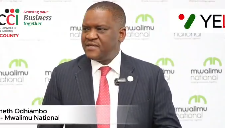
Treasury Cabinet Secretary John Mbadi has downplayed fears that the proposed Finance Bill 2026 will cause a significant rise in smartphone prices, stating instead that the revised tax framework is designed to reduce the overall tax burden on mobile devices.
This comes amid growing public criticism over proposed tax measures in the Bill.
In a press briefing on Monday, May 11, 2026, Mbadi said the government had consolidated multiple charges into a single excise duty of 25 per cent, replacing what he claimed was an effective cumulative tax burden of about 55 per cent on imported phones.
“Phone prices will not go up because we have removed all the other taxes and replaced them with one single tax,” the CS said.
You Might Also Like



According to the Treasury CS, the previous tax structure included several levies and duties, among them Import Declaration Fee, Railway Development Levy, Value Added Tax (VAT) and customs duty, which together pushed the total tax incidence on phones significantly higher.

“When you combine all the taxes, they total about 55 per cent. We are now reducing that to 25 per cent and calling it excise duty,” he said.
Mbadi explained that the proposed excise duty would only be payable once a phone is activated for use, rather than at the point of importation.
Under the proposed system, importers and traders stocking phones would not immediately pay the tax, with the levy instead applying once the device reaches the end user.
“A trader stocking phones in a shop will not pay the tax immediately. The tax will only apply once the phone is sold and activated for use,” he said.
Treasury officials argue that the new approach is aimed at sealing tax loopholes and improving enforcement by ensuring all active devices are captured within the tax system.
Pushback over the proposals
However, taxing the model could create compliance and operational challenges, particularly regarding who bears responsibility for remitting the levy, whether telecom operators, importers or distributors.
The clarification comes as the proposed Finance Bill 2026 continues to attract scrutiny over measures affecting consumers, traders and the digital economy.
One of the proposals that has generated intense debate is the introduction of a 25 per cent excise duty on mobile phones for cellular and wireless networks, with critics warning it could make smartphones unaffordable for many Kenyans and undermine digital inclusion efforts.
Even so, Mbadi insisted the proposal was being misunderstood and urged the public to rely on the officially published Finance Bill rather than information circulating online.
“Please get the actual Finance Bill. Stop circulating fake Finance Bills,” he said.
The Treasury CS also dismissed fears that the Bill contains provisions allowing the government to access personal mobile money data through Mpesa transactions.
“Mpesa transactions are not income. They are transfers of funds. KRA will not go after people sending money through M-Pesa,” he said, adding that there was no amendment in the Bill interfering with data privacy.
Mbadi further defended a controversial proposal targeting the mitumba sector, saying the idea of consolidating taxes on second-hand clothes imports emerged from consultations with traders from Gikomba Market.
He said traders had asked for a simpler taxation framework that would reduce compliance costs and eliminate multiple customs-related charges.
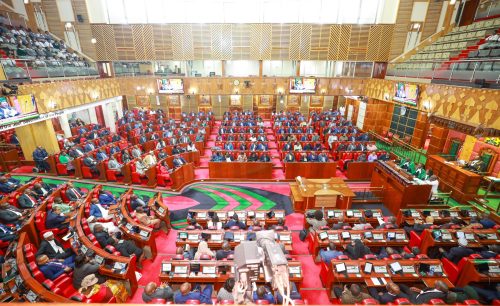
The bill is currently before the National Assembly for public participation, with debate over the proposed tax changes expected to intensify in the coming weeks.
Author
Latest News








Advertisement
More on Business