Advertisement
Ol Kalou by-election: IEBC warns of Ksh1M fine for taking photos of marked ballot papers
Tuesday 14th July, 2026 03:19 PM|

Independent Electoral and Boundaries Commission (IEBC) Chairperson Erastus Ethekon has warned voters in Ol Kalou Constituency against taking photographs of their marked ballot papers while casting their votes, cautioning that the offence is punishable by a fine of up to Ksh1 million, imprisonment for up to three years, or both.
Speaking during a multi-agency security meeting with the National Police Service at the IEBC headquarters on Tuesday, July 14, 2026, ahead of the Ol Kalou parliamentary by-election scheduled for Thursday, July 16, 2026, Ethekon urged voters to respect the secrecy of the ballot and comply with the law.

He said the commission had previously witnessed an incident where a voter took a photograph of a marked ballot paper and shared it on social media, an act he said violates the Elections Offences Act.
“We wish to remind Kenyans, and indeed the voters of Ol Kalou, that you should not take a picture of your ballot paper once you have marked it. Once you have selected the person you want to be your Member of Parliament, the sanctity and secrecy of the vote require that it remain secret,” Ethekon said.
You Might Also Like


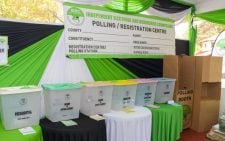
He explained that Kenya’s electoral system is founded on the principle of a secret ballot, adding that taking photographs of marked ballot papers undermines the integrity of the voting process.
“That is why we must facilitate voting by secret ballot. It defeats the purpose if you expose your marked ballot paper,” he added.
Constitutional backing
The IEBC chairperson cited Section 7 of the Elections Offences Act, saying anyone found taking photographs of a marked ballot paper commits an electoral offence and risks prosecution.
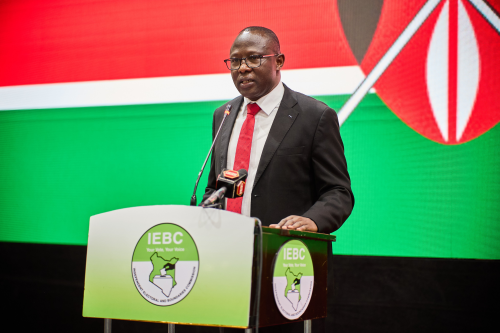
“It is against Section 7 of the Elections Offences Act. If you are found guilty, you may be fined up to Ksh1 million. Besides that, the offending party may also be sentenced to a prison term of up to three years,” he warned.
Ethekon said the law applies regardless of whether a voter takes the photograph to demonstrate loyalty to a candidate, claim a reward, or for any other reason.
“It is prohibited. It is against the law, and it has consequences,” he emphasised.
Old Kalou Minipoll
Author
Latest News

Advertisement
More on Inside Politics